

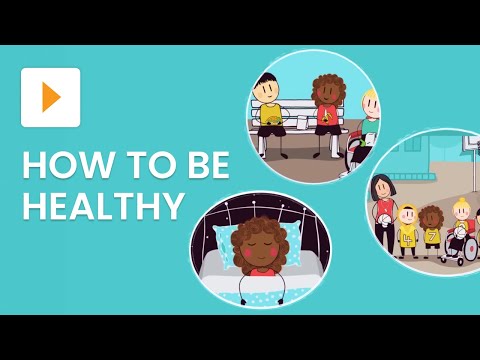
Fostering a foundation of healthy habits in children is essential for their overall wellbeing and development. By instilling these practices early, children can grow up with the skills and understanding necessary to lead happy, healthy lives. Here are several key areas to focus on when teaching children about healthy habits:
**Nutrition**
Teaching children about nutrition begins with helping them understand which foods are healthful and why they are important. Parents and caregivers can involve children in grocery shopping and meal preparation, giving practical, hands-on experiences with selecting and preparing healthy foods. It’s beneficial to focus on whole foods, such as fruits, vegetables, whole grains, lean proteins, and dairy, explaining how each contributes to their bodies. Also, establishing regular meal times helps develop a routine that supports healthy eating habits.
**Physical Activity**
Children should be encouraged to engage in physical activity for at least 60 minutes per day, according to health authorities like the World Health Organization. Activities can vary widely from sports to playful running, jumping rope, or cycling. The key is to make physical activity fun and varied, which can sustain their interest and enthusiasm over time. Active play not only strengthens their bodies but also enhances mental health, helping to manage anxiety and depression.
**Sleep**
Adequate sleep is crucial for a child’s health and well-being, impacting everything from their educational performance to their mood and metabolic health. Establishing a consistent bedtime routine is important and can include winding down activities such as reading or quiet play before lights out. Typically, children between the ages of 5 and 13 need between 9 and 11 hours of sleep. Ensure the sleep environment is conducive to rest, maintaining a cool, quiet, and dark room.
**Hygiene**
Hygiene habits go a long way in preventing illness and keeping children feeling their best. Basic hygiene practices include regular hand washing, especially before eating and after playing outdoors or touching animals, proper dental care like brushing twice a day and flossing, and bathing regularly. Teaching children the principles of personal hygiene can also promote a sense of pride and self-care as they grow older.
**Mental Health**
Children’s mental and emotional health is just as important as their physical health. Teaching them to express and manage their emotions appropriately is vital. Encourage children to talk about their feelings, and ensure they know that it’s okay to express sadness, anger, or fear. Teaching basic mindfulness or relaxation techniques can also be very helpful. Furthermore, ensuring that children have plenty of unstructured playtime is essential for their creative and emotional development.
**Environmental Awareness**
Teaching children to care for their environment also plays a role in their wellbeing. Responsibilities like sorting recycling, conserving water, or caring for plants can teach children about the importance of environmental stewardship. These activities not only contribute to environmental health but also give children a sense of agency and responsibility.
In conclusion, instilling healthy habits in children sets the foundation for a holistic approach to overall wellbeing that includes physical, emotional, and environmental health factors. By engaging children in these practices through routine activities and responsibilities, parents and educators can equip children with critical life skills that contribute to their lifelong health and happiness.