
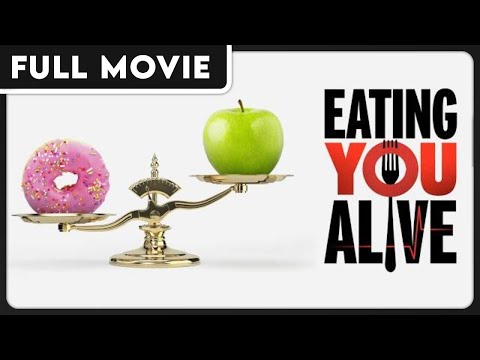
In a time where our health is more central to our conversations than ever, a critical gaze towards the role of diet is both timely and essential. The documentary “Eating You Alive” delves deeply into this dialogue, examining how the food we consume impacts our wellness, our healthcare system, and the environment. This profound exploration nudges watchers towards the increasingly popular whole foods, plant-based diet as a solution to numerous chronic health conditions.
**Synopsis and Content Overview**
“Eating You Alive” is a feature-length documentary that brings to light the connection between chronic diseases and dietary choices. Through a compelling assembly of narratives, including testimonials from patients, insights from a range of physicians, and commentary from celebrities advocating for healthier diets, the film makes a persuasive case for altering eating habits.
The documentary begins by portraying the grim reality of America’s health – plagued by rising rates of heart disease, diabetes, and obesity. It addresses the burden these illnesses place not just on individuals and families, but also on the healthcare system. What “Eating You Alive” suggests is not just a change in individual choices but a cultural shift towards recognizing food as medicine.
**Key Themes**
1. **Chronic Disease and Diet:** The core theme of the documentary is the link between lifestyle diseases and eating habits. The film presents data and personal experiences to argue that many conditions, traditionally thought irreversible or mostly manageable through medication, can be significantly improved or even reversed by diet.
2. **Plant-Based Nutrition:** Central to the documentary’s argument is the advocacy of a plant-based diet. Physicians such as Dr. Dean Ornish and Dr. Caldwell Esselstyn, who have conducted research on the effects of plant-based diets on heart disease and other chronic conditions, contribute their expertise and clinical findings.
3. **Food Industry Impact:** The film doesn’t shy away from critiquing the broader food industry, highlighting how processed foods and animal-based products are heavily marketed despite their known health risks. It discusses the economic interests that shape dietary guidelines and public health policies, pointing to a need for greater transparency and integrity in these areas.
4. **Practical Guidance:** Beyond presenting problems, “Eating You Alive” also offers solutions. It provides viewers with practical advice on how to transition to a plant-based diet, including meal preparations and tips on how to gradually eliminate processed and animal-derived foods from one’s diet.
5. **Environmental and Ethical Considerations:** While its primary focus is health, the documentary also touches on the environmental benefits of reducing meat consumption and addresses some ethical issues related to animal farming.
**Impact and Reception**
Since its release, “Eating You Alive” has made substantial waves in both the wellness community and the broader public sphere. Viewers have found it eye-opening, particularly those unfamiliar with the extent of the food industry’s influence on health. The personal stories included provide relatable and motivating examples of positive health transformations, offering hope and a roadmap to those suffering from similar ailments.
Healthcare professionals and nutrition experts have praised the documentary for its rigorous presentation of evidence and the holistic approach it advocates. It serves not only as a tool for public education but also as a catalyst for policy discussions about nutrition and public health strategies.
**Final Thoughts**
“Eating You Alive” is more than a documentary; it is a call to action. It challenges long-standing norms and confronts uncomfortable truths about diet and health. For anyone looking to understand the immense impact of what they eat on their health, or seeking motivation to shift towards a healthier lifestyle, this film is a potent starting point. It is not just informative but transformative, pushing the boundaries of what we know about the food we eat and the future we are crafting with our dietary choices.