

What Happens When You Eat 2 Cloves EveryDay for 7 Days (Not What You Think)
April 14, 2026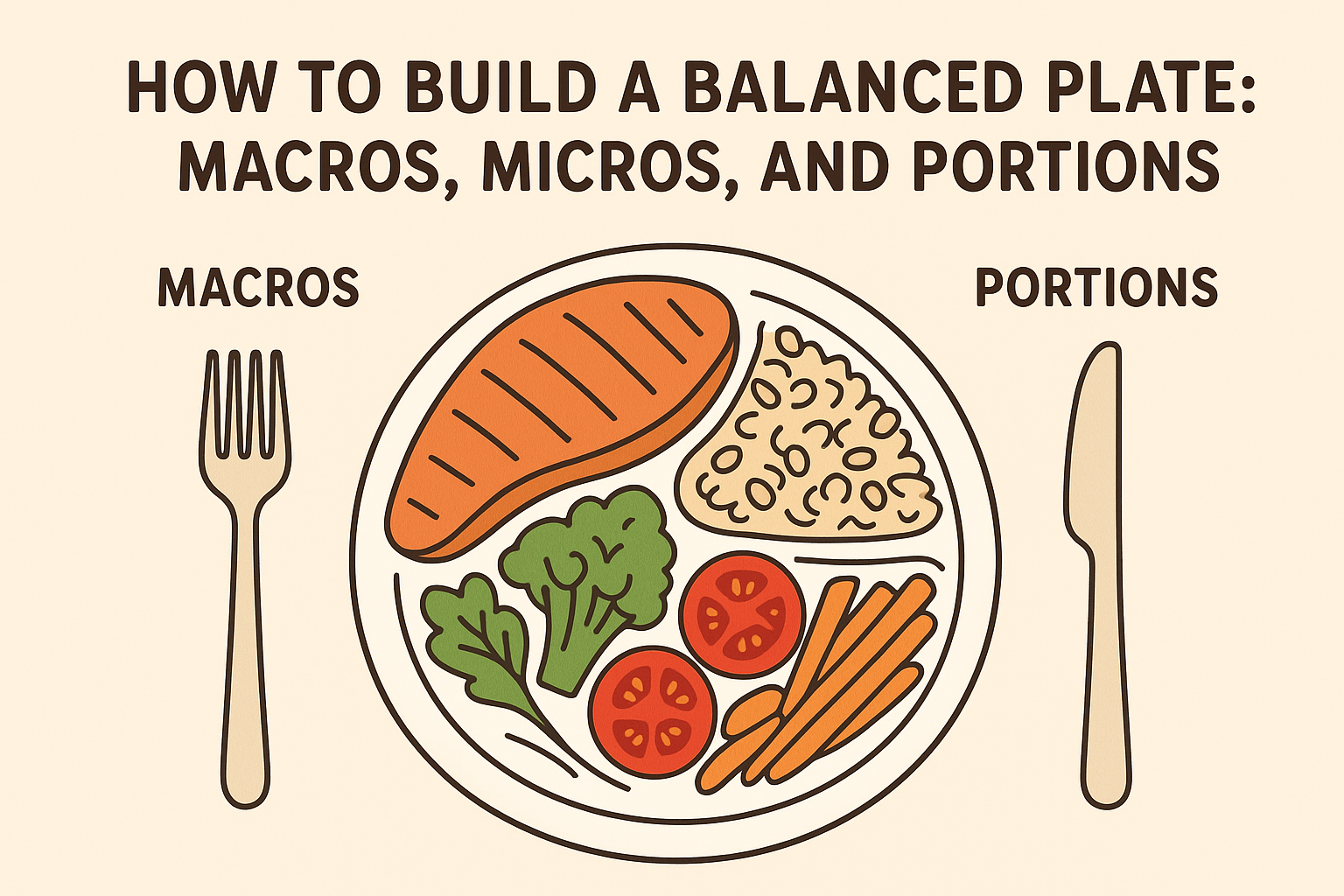
How to build a balanced plate: macros, micros, and portions
April 14, 2026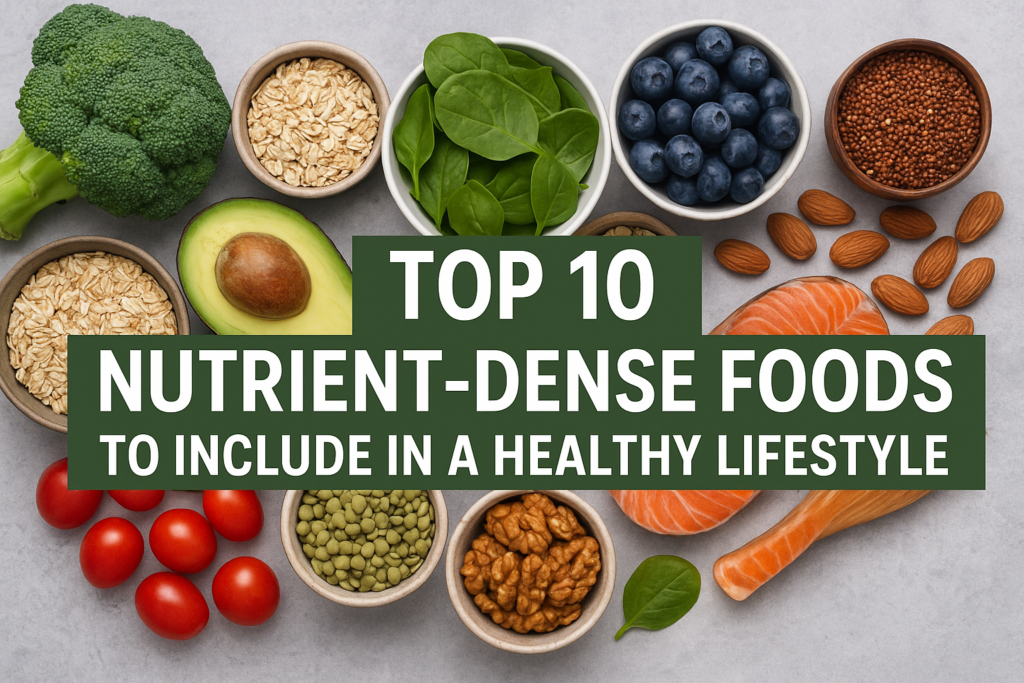
A nutrient-dense approach means choosing foods that deliver a high concentration of vitamins, minerals, fiber, and healthy fats relative to their calorie count. These 10 foods consistently provide a broad range of nutrients that support energy, immunity, and overall health, making it easier to maintain a balanced, satisfying diet.
1. Kale and leafy greens
Kale, spinach, and other leafy greens are among the most nutrient-dense vegetables. They’re rich in vitamins A, C, and K, along with folate, calcium, and potassium, plus powerful phytonutrients and fiber. Include them daily by tossing into smoothies, adding to soups or stir-fries, or enjoying as a simple sauté with garlic and olive oil.
2. Salmon and other fatty fish
Fatty fish like salmon, sardines, and mackerel deliver high-quality protein and omega-3 fatty acids (DHA and EPA), which support heart and brain health. They’re also good sources of vitamin D. Aim for 2–3 servings per week, choosing wild-caught options when possible and preparing them baked, grilled, or canned in salads.
3. Eggs
Eggs are a compact source of high-quality protein, choline, and B vitamins. The yolk provides fat-soluble vitamins and adds flavor and satiety. Versatile for breakfast or any meal, eggs pair well with vegetables, grains, and legumes.
4. Greek yogurt or kefir
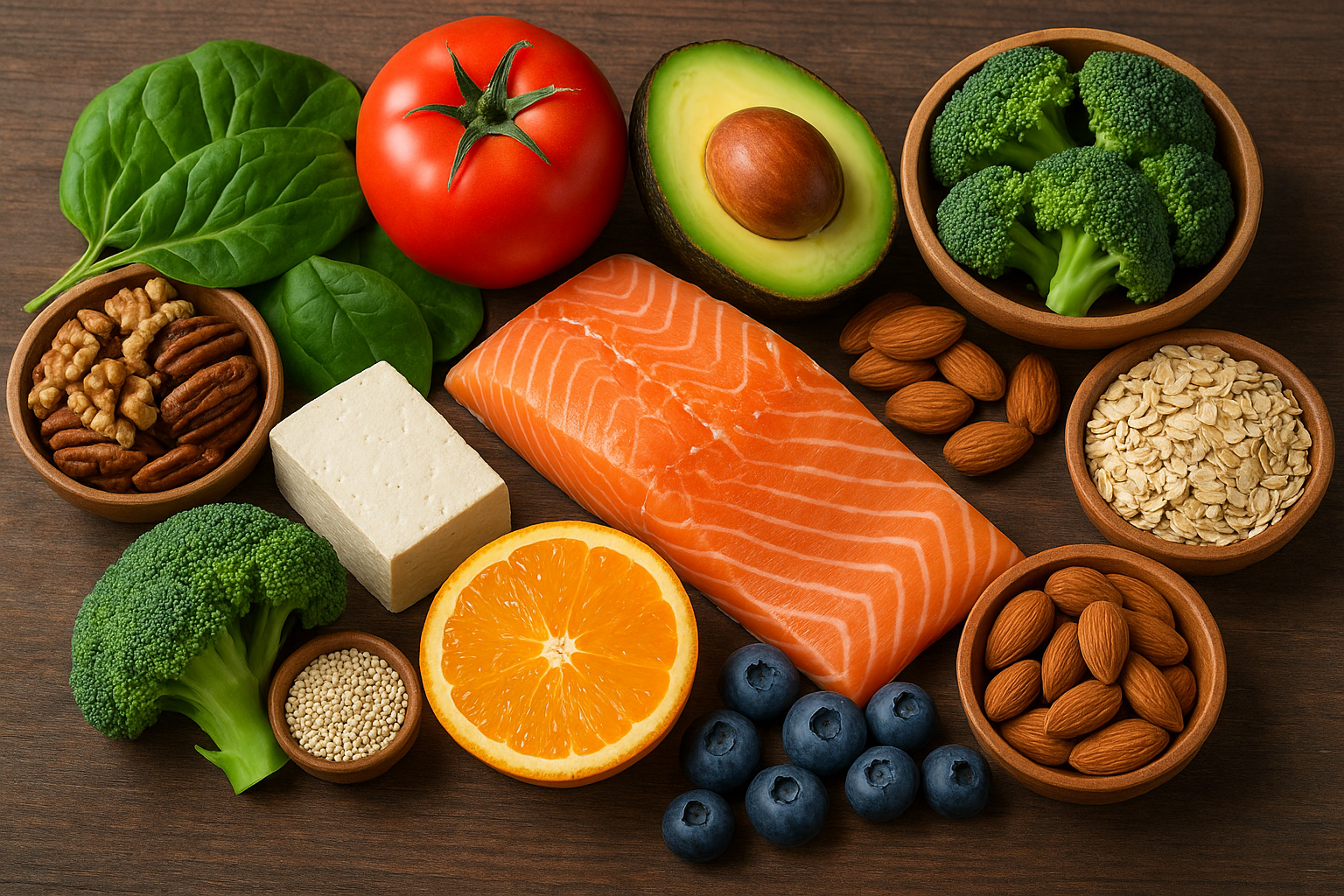
Dairy or fortified alternatives like Greek yogurt and kefir supply protein, calcium, and beneficial probiotics for gut health. Opt for plain, unsweetened varieties and add your own fruit, nuts, or a drizzle of honey for flavor.
5. Lentils and other legumes
Lagi like lentils, chickpeas, and beans offer iron, folate, fiber, and plant-based protein. They’re budget-friendly and incredibly versatile—use in soups, stews, salads, or blended into dips. Soaking and rinsing can aid digestion and nutrient absorption.
6. Quinoa
Quinoa is a high-protein grain that provides all nine essential amino acids, plus iron, magnesium, and fiber. Rinse before cooking to remove bitterness, then use as a base for bowls, salads, or as a side dish instead of rice.
7. Blueberries
Blueberries are loaded with antioxidants and provide vitamin C, fiber, and phytochemicals that support health over time. Enjoy them fresh as a snack, mix into yogurt or oatmeal, or blend into smoothies for a nutrient boost.
8. Nuts and seeds
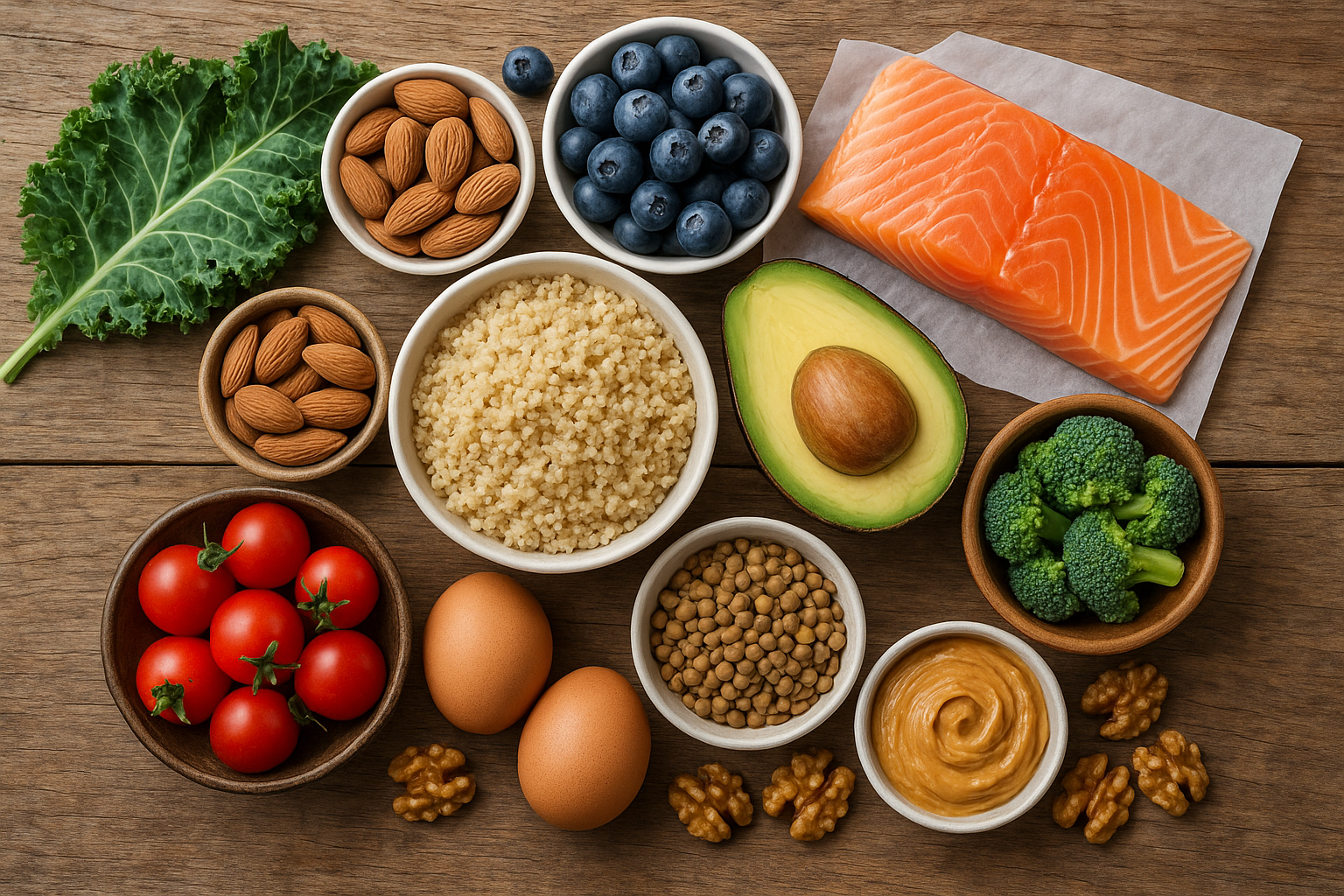
Almonds, walnuts, chia seeds, flaxseeds, and other nuts and seeds offer healthy fats, protein, fiber, and minerals. Because they’re energy-dense, portion control matters—enjoy a small handful, top yogurt or salads, or add them to cereals and baked goods.
9. Broccoli
Broccoli is rich in vitamin C, vitamin K, folate, fiber, and various bioactive compounds. Lightly steam, roast, or add to stir-fries to preserve nutrients while keeping meals satisfying and tasty.
10. Sweet potatoes
Sweet potatoes provide beta-carotene (a vitamin A precursor), fiber, and vitamin C, especially when eaten with the skin. Roast, bake, or mash them and pair with a source of healthy fat to optimize carotenoid absorption.
Tips to incorporate these foods into a healthy routine
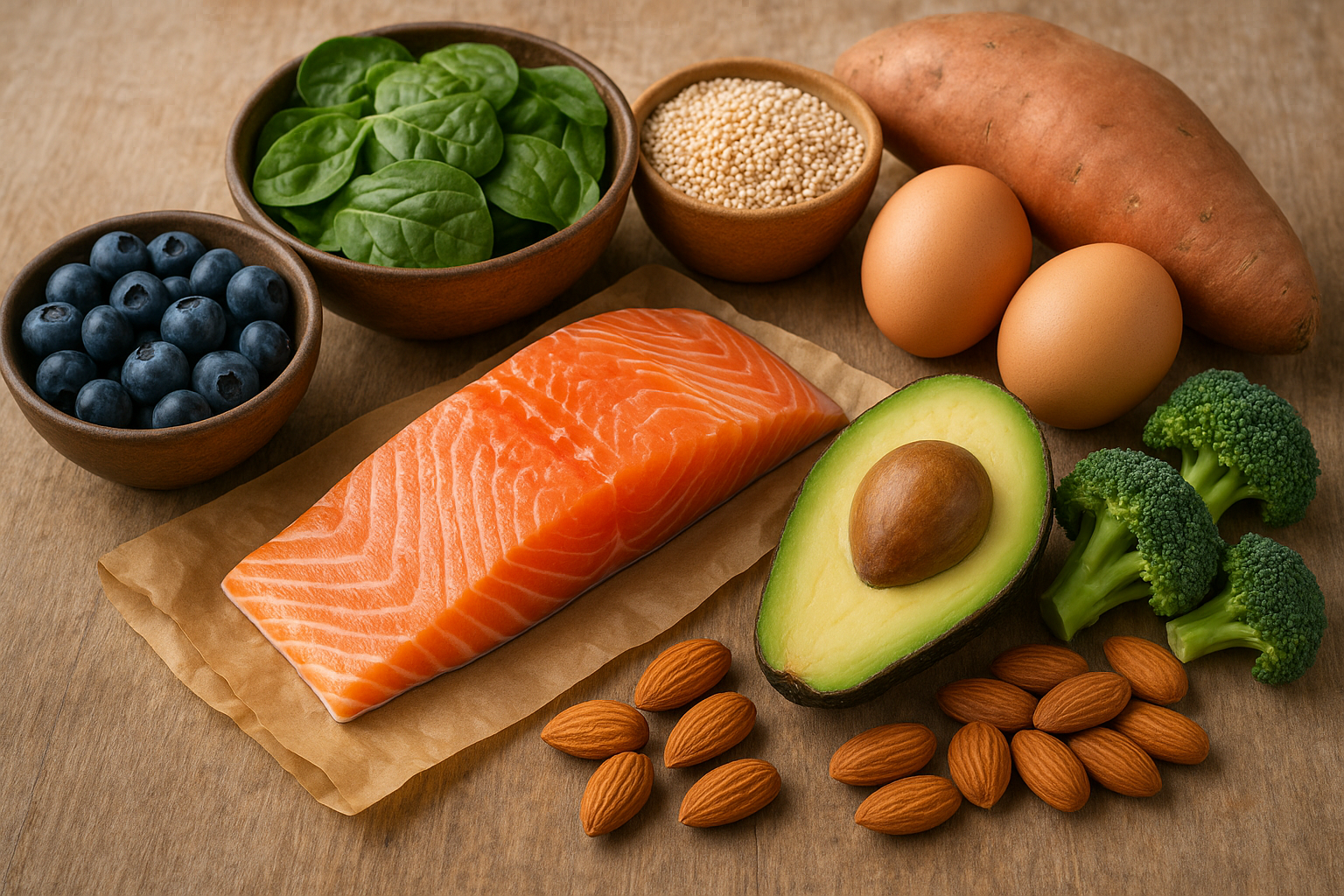
– Build meals around vegetables: aim to fill half your plate with a variety of colorful greens, broccoli, or sweet potatoes.
– Prioritize protein at every meal: include eggs, yogurt, legumes, or fish to support muscle, satiety, and nutrient absorption.
– Plan simple, versatile dishes: combine leafy greens with grains like quinoa, add beans to soups, or top oats with berries and nuts for a quick nutrient boost.
– Balance fats and fiber: pair fat-containing foods (olive oil, nuts, salmon) with high-fiber sources (vegetables, legumes) to enhance nutrient absorption and fullness.
– Don’t fear variety: rotating these foods helps cover a broader spectrum of nutrients and keeps meals interesting.
Incorporating these nutrient-dense options into your daily routine can help support sustained energy, better satiety, and a robust nutrient intake. Aim for a mix of these foods throughout the week and adjust portions to fit your activity level, dietary preferences, and health goals.
