

Top 10 nutrient-dense foods to include in a healthy lifestyle
April 14, 2026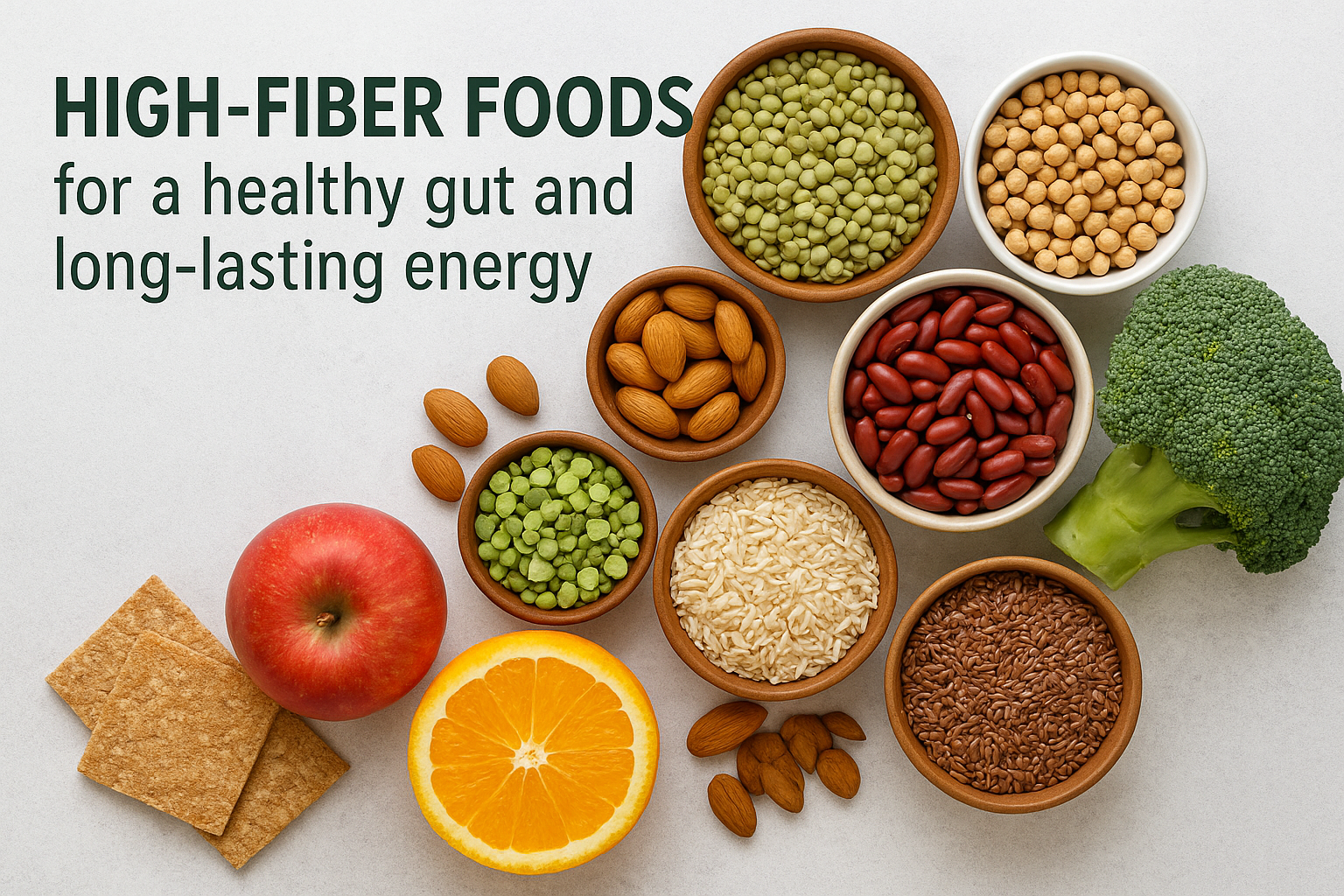
High-fiber foods for a healthy gut and long-lasting energy
April 14, 2026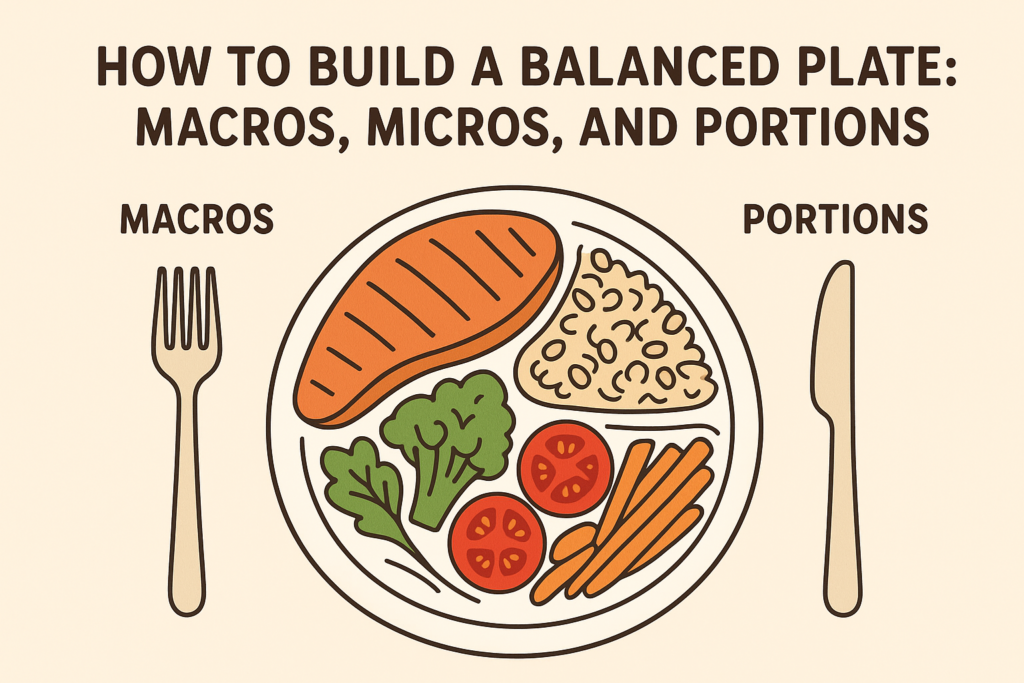
A balanced plate starts with smart choices at every meal. By tuning your plate to include the right balance of macronutrients (macros), a wide spectrum of micronutrients (micros), and appropriate portions, you can feel fuller longer, support energy, and meet daily nutrition goals with variety and flavor.
Understanding macros: what your plate should aim for
– Protein: Essential for muscle repair, satiety, and metabolism. Aim to include a good protein source at most meals. Good options include lean meats, fish, eggs, dairy, legumes, tofu, tempeh, and unsalted nuts or seeds.
– Carbohydrates: Provide energy and fiber. Focus on complex carbs and high-fiber choices rather than refined sugars. Examples include whole grains (brown rice, quinoa, oats), starchy vegetables (sweet potatoes, corn), legumes, and fruit.
– Fats: Important for flavor, satiety, and nutrient absorption. Prioritize healthy fats from olive oil, avocados, fatty fish, nuts, seeds, and yogurt. Limit trans fats and keep added saturated fats moderate.
– Fiber and micronutrients: Every plate should bring in fiber (from vegetables, fruits, legumes, whole grains) and micronutrients (vitamins and minerals) through a colorful mix of foods.
Micronutrients matter: how to maximize micros on every plate
– Variety and color: Vegetables and fruits come with different vitamins, minerals, and phytonutrients. A colorful plate (greens, reds, orange, purple) signals a broad micronutrient intake.
– Mineral density: Include calcium-rich foods (dairy or fortified alternatives), iron-rich plant or animal sources (beans, lentils, leafy greens, meat, fortified cereals), and potassium-rich foods (bananas, potatoes, leafy greens).
– Cooking for retention: Steam, sauté, and roast to preserve nutrients. Use minimal water and avoid overcooking greens; add a splash of acid (lemon juice, vinegar) to help nutrient availability.
– Timing and variety: Over a week, vary proteins and produce to cover a wide spectrum of vitamins and minerals. If you have special needs (e.g., iron absorption issues, calcium needs, or iodine concerns), plan meals with that in mind.
Portion logic: the plate method you can use anywhere
– The classic plate method (half, quarter, quarter):
– Half the plate: vegetables (non-starchy) for volume, fiber, and micronutrients.
– One quarter: lean protein.
– One quarter: complex carbohydrates or starchy vegetables.
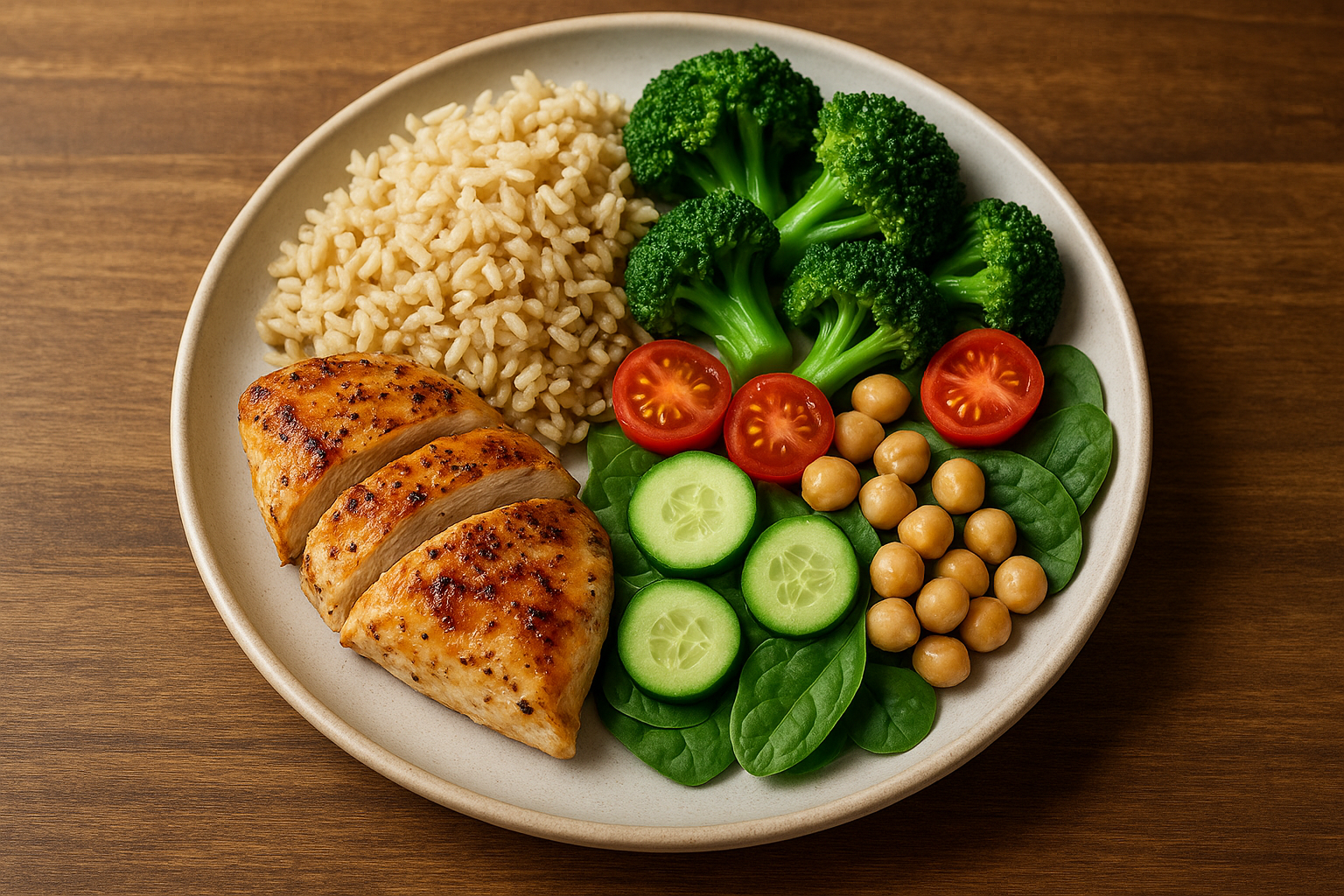
– Add a thumb-sized portion of healthy fats (e.g., a drizzle of olive oil, a handful of nuts, or avocado).
– Optional: add a small portion of fruit or dairy on the side to finish the meal.
– Hand-based portions (a simple, portable system):
– Protein: palm of your hand (about 20–40 g per meal, depending on body size/activity).
– Carbohydrate: a cupped hand (rice, grains, or starchy vegetables).
– Fats: a thumb-sized portion (oil, nut butter, seeds).
– Vegetables: two fists of non-starchy vegetables.
– For snacks: aim for a balance of protein and fiber to support satiety, such as yogurt with fruit, a small handful of nuts with an apple, or hummus with veggie sticks.
Putting it together: a practical step-by-step approach
1) Start with vegetables: stack your plate with color and variety. Aim for at least two to three different veggies per meal.
2) Add a lean protein: choose a source you enjoy. If you’re vegetarian or vegan, mix legumes, tofu/tempeh, tempeh, and/or fortified dairy alternatives.
3) Choose a complex carbohydrate: prioritize whole grains, legumes, or starchy vegetables. Include some fiber (5–10 g per meal) to improve fullness and gut health.
4) Include healthy fats: lightly dress salads, cook with olive oil, or add avocado or seeds to your dish.
5) Watch portion sizes for energy balance: adjust protein and carb portions to align with your activity level and goals (weight maintenance, gain, or loss).
6) Hydration and seasoning: water throughout the day; minimize added sugars and high-sodium sauces. Use herbs, spices, citrus, and vinegars for flavor.
7) Customize for dietary patterns: whether you’re omnivore, vegetarian, or vegan, build plates with equivalent macro options and micronutrient diversity.
Meal templates for different patterns
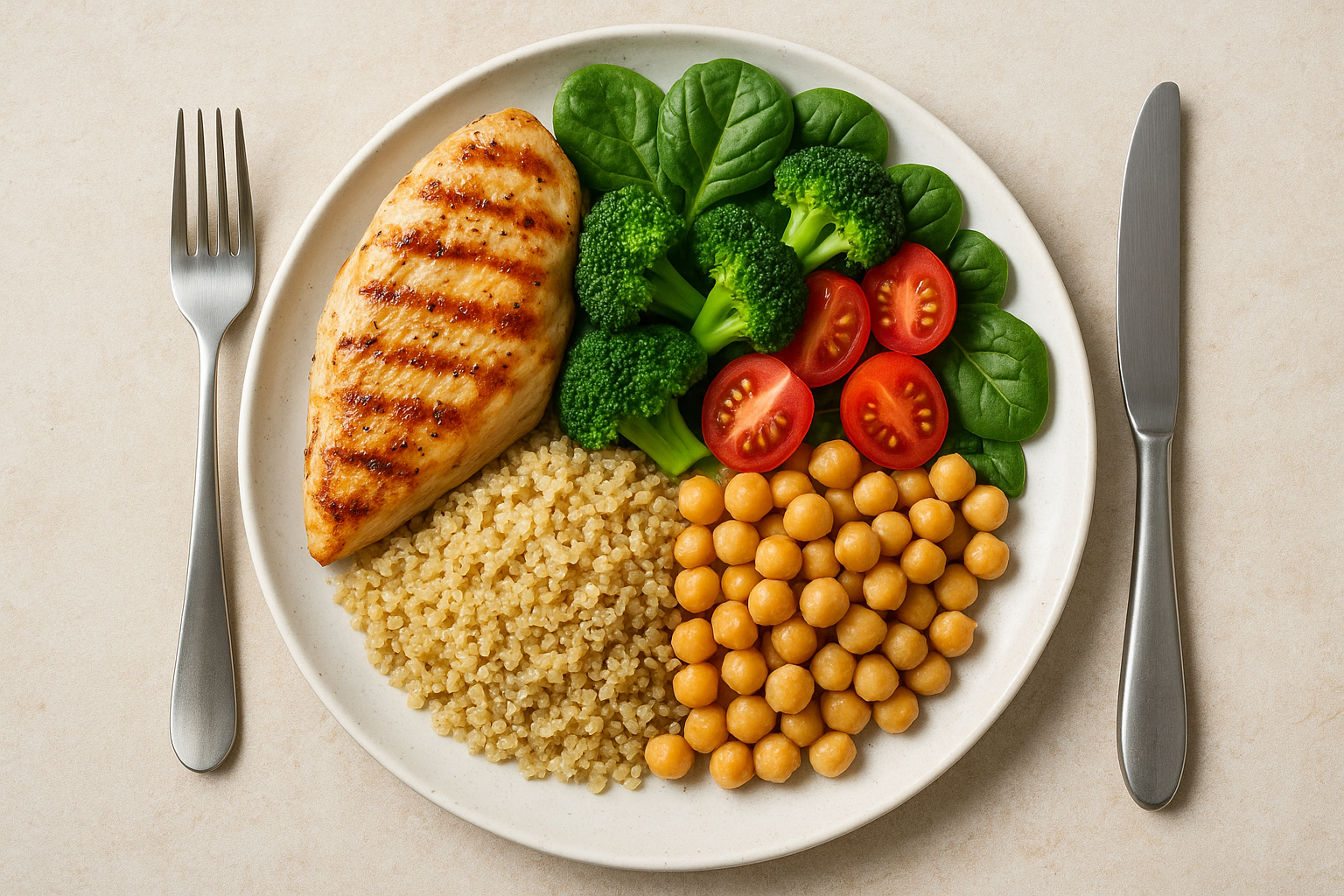
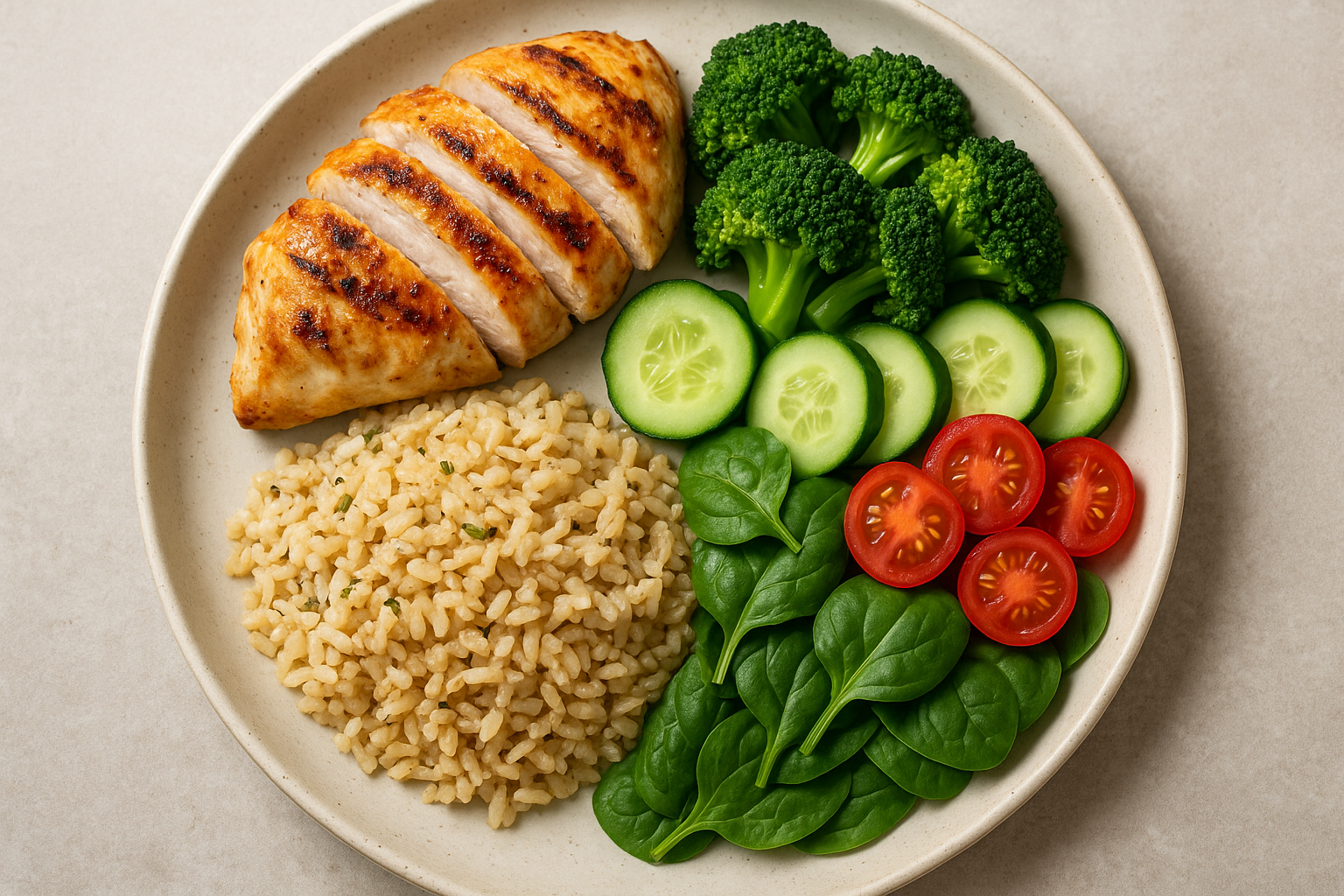
– Omnivore example: grilled salmon, quinoa, steamed broccoli, mixed green salad with olive oil and lemon.
– Vegetarian example: lentil curry with brown rice, roasted cauliflower, spinach salad with lemon-tahini dressing.
– Vegan example: chickpea and quinoa bowl with roasted vegetables, avocado, sesame-tried dressing.
– Breakfast ideas: veggie omelet with whole-grain toast and a side of fruit; or Greek yogurt with berries, nuts, and a spoonful of oats.
– Lunch/dinner: a bowl with a protein source (tofu, beans, fish, chicken), a whole grain (bulgur, barley, farro), lots of vegetables, and a drizzle of healthy fat.
Practical tips to make balanced plates a habit
– Plan ahead: draft a simple 3-day rotating menu to cover different protein and produce options. Grocery lists based on that plan reduce impulse buys.
– Batch cook: prepare grains, beans, roasted vegetables, and proteins in advance. Store portions for quick meals.
– Grocery smart: choose whole, minimally processed foods most of the time; read labels to limit added sugars, sodium, and refined grains.
– Use a default plate model: half-vegetables, quarter-protein, quarter-carbs, with a small fat portion. Use this as your baseline and customize as needed.
– Mindful eating: slow down, savor flavors, and check hunger/fullness cues to avoid overeating.
Common pitfalls and how to fix them
– Too little protein at meals: add a protein source like eggs, yogurt, beans, or lean meat to each meal.
– Not enough vegetables: add a side salad, extra greens, or a mix of roasted vegetables to boost volume and micros.
– Overreliance on refined carbs: swap for whole grains or legumes that increase fiber and micronutrient density.
– Fats overused or underused: measure portions of fats and favor unsaturated fats; count small portions to stay within energy goals.
– Missing variety of colors: rotate vegetables and fruits across meals to cover a broader micronutrient spectrum.
Quick reference plate template
– Half your plate: non-starchy vegetables.
– Quarter plate: high-quality protein.
– Quarter plate: complex carbohydrates or starchy vegetables.
– A small amount of healthy fats.
– Optional: a serving of fruit or dairy for micronutrients and fiber.
Final takeaways
– Build plates with a balance of macros: protein, complex carbs, and healthy fats.
– Prioritize a diverse mix of micronutrients through colorful vegetables, fruits, whole grains, and fortified options when needed.
– Use simple portioning methods you can apply anywhere—plate percentages or hand measurements—to keep meals consistent.
– Adapt to your needs, activity, and dietary pattern, and don’t hesitate to consult a registered dietitian for personalized guidance.
If you’d like, I can tailor a sample 3-day meal plan to your dietary preferences, activity level, and any specific health goals.
