
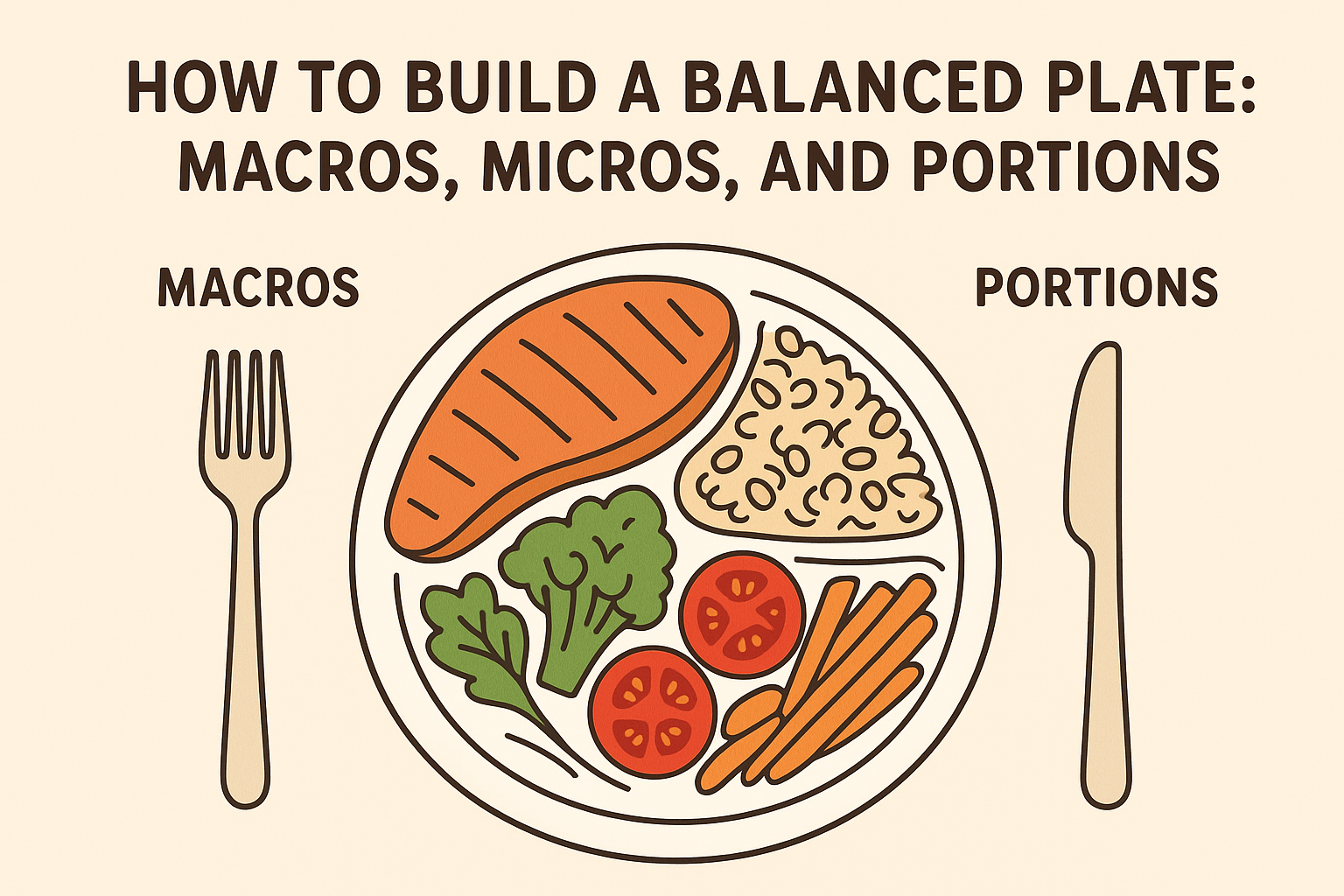
How to build a balanced plate: macros, micros, and portions
April 14, 2026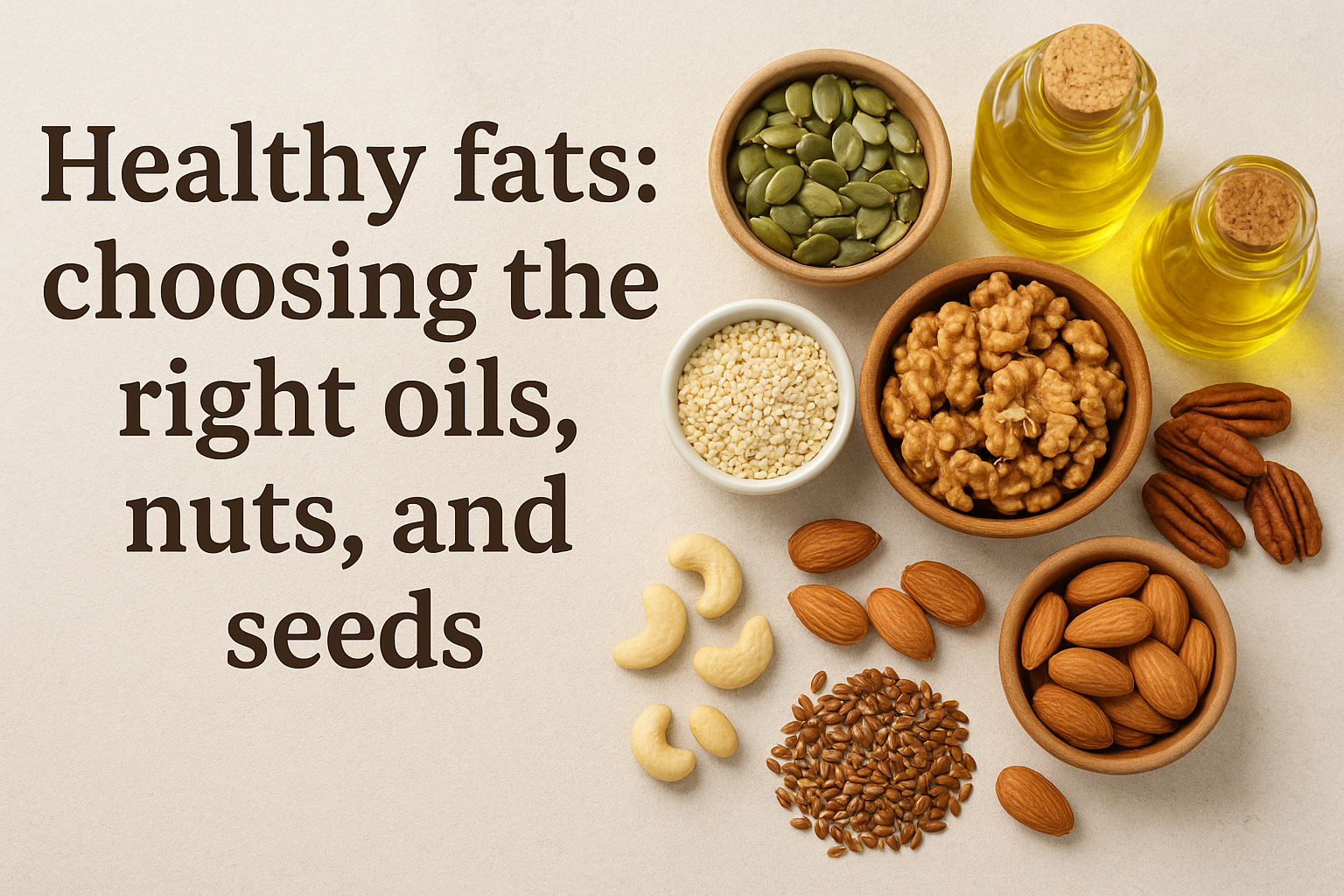
Healthy fats: choosing the right oils, nuts, and seeds
April 14, 2026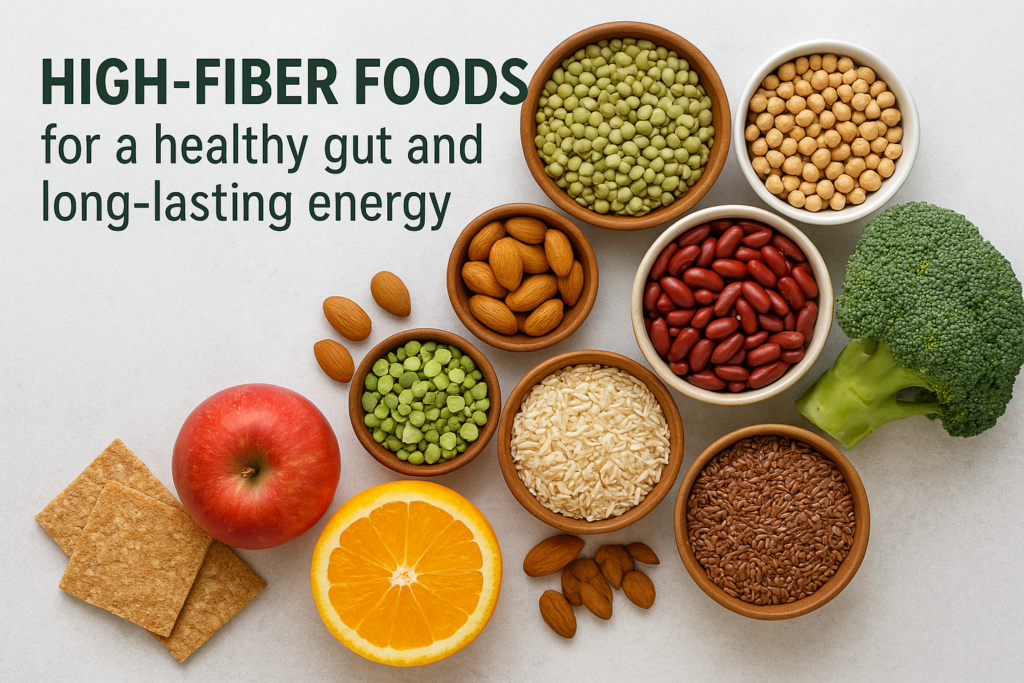
Fiber is a cornerstone of a healthy gut and a steady supply of energy. It travels through your digestive system largely intact, reaching the colon where it feeds a diverse community of beneficial bacteria. Those friendly microbes, in turn, produce short-chain fatty acids that help nourish your gut lining, support digestion, and influence how you feel between meals. When you include plenty of fiber-rich foods, you’re not just helping your digestion—you’re supporting more stable energy and a healthier appetite throughout the day.
Why fiber matters for the gut and energy
– Gut microbiome support: The trillions of bacteria in your gut thrive on fiber. Different fibers nourish different species, promoting balance and resilience in your microbiome. A diverse, well-fed microbiome is linked to better digestion, reduced inflammation, and improved gut barrier function.
– Short-chain fatty acids (SCFAs): Beneficial bacteria ferment fiber to produce SCFAs like butyrate, acetate, and propionate. SCFAs nourish colon cells, help regulate inflammation, and can influence how your body uses and stores energy.
– Regularity and stool quality: Insoluble fiber adds bulk and speeds up transit, helping with regular bowel movements. Soluble fiber forms a gel that slows digestion, helping your gut move contents smoothly and reducing digestive discomfort for some people.
– Energy stability: By slowing the absorption of sugars and starches, fiber helps prevent sharp blood sugar spikes after meals. This can lead to longer-lasting energy and fewer energy dips between meals, which often trigger extra snacking.
Types of fiber: soluble and insoluble
– Soluble fiber: Dissolves in water to form a gel-like substance. It slows digestion, helps control blood sugar levels, and can lower cholesterol. Sources include oats, barley, legumes (beans and lentils), apples, citrus fruits, carrots, and some seeds (like flax and chia).
– Insoluble fiber: Adds bulk and speeds up the movement of material through the digestive tract. It supports regularity and helps prevent constipation. Sources include whole grains (like bran and brown rice), nuts, seeds, vegetables (especially leafy greens and skins), and fruit skins.
Top high-fiber foods to weave into your daily meals
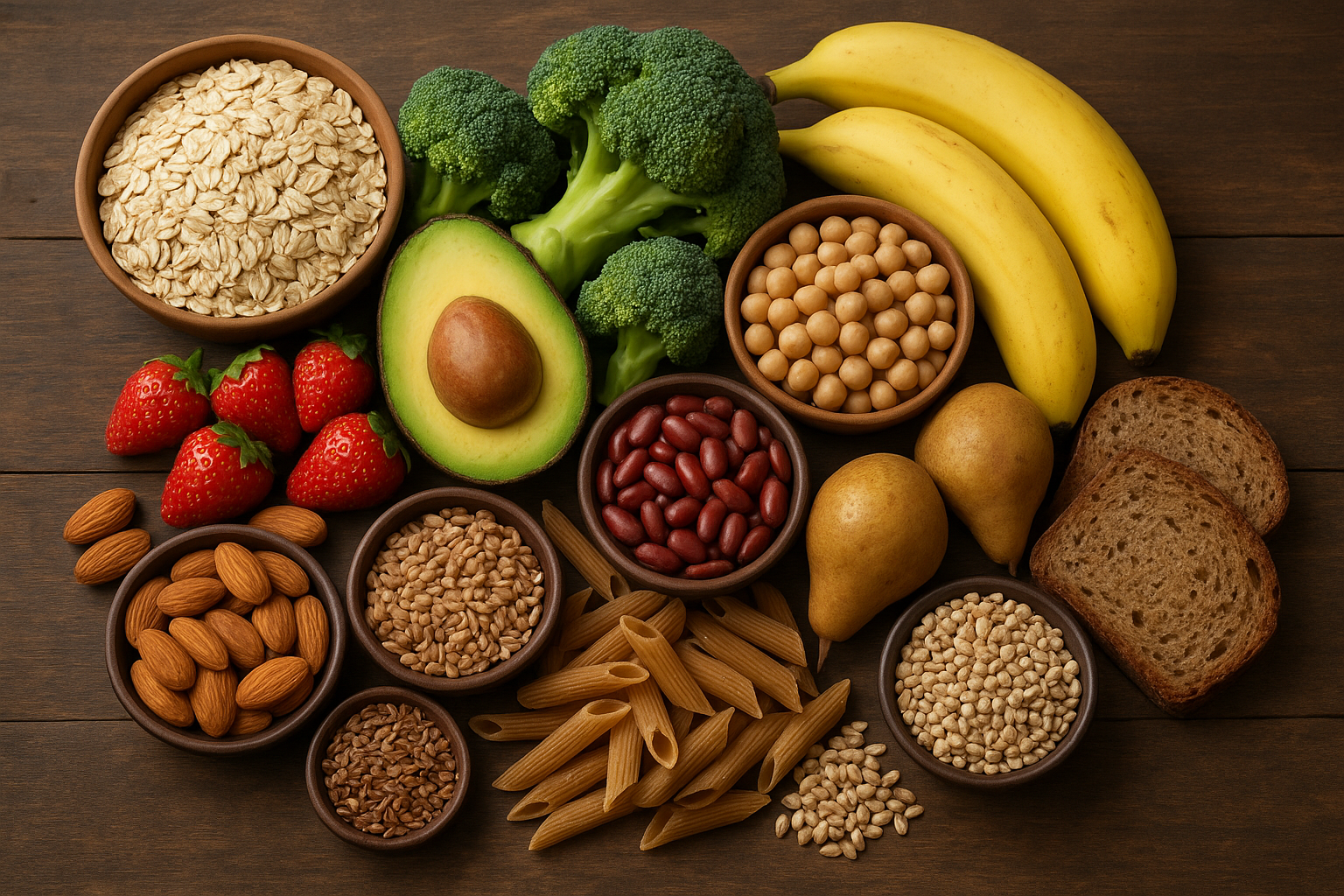
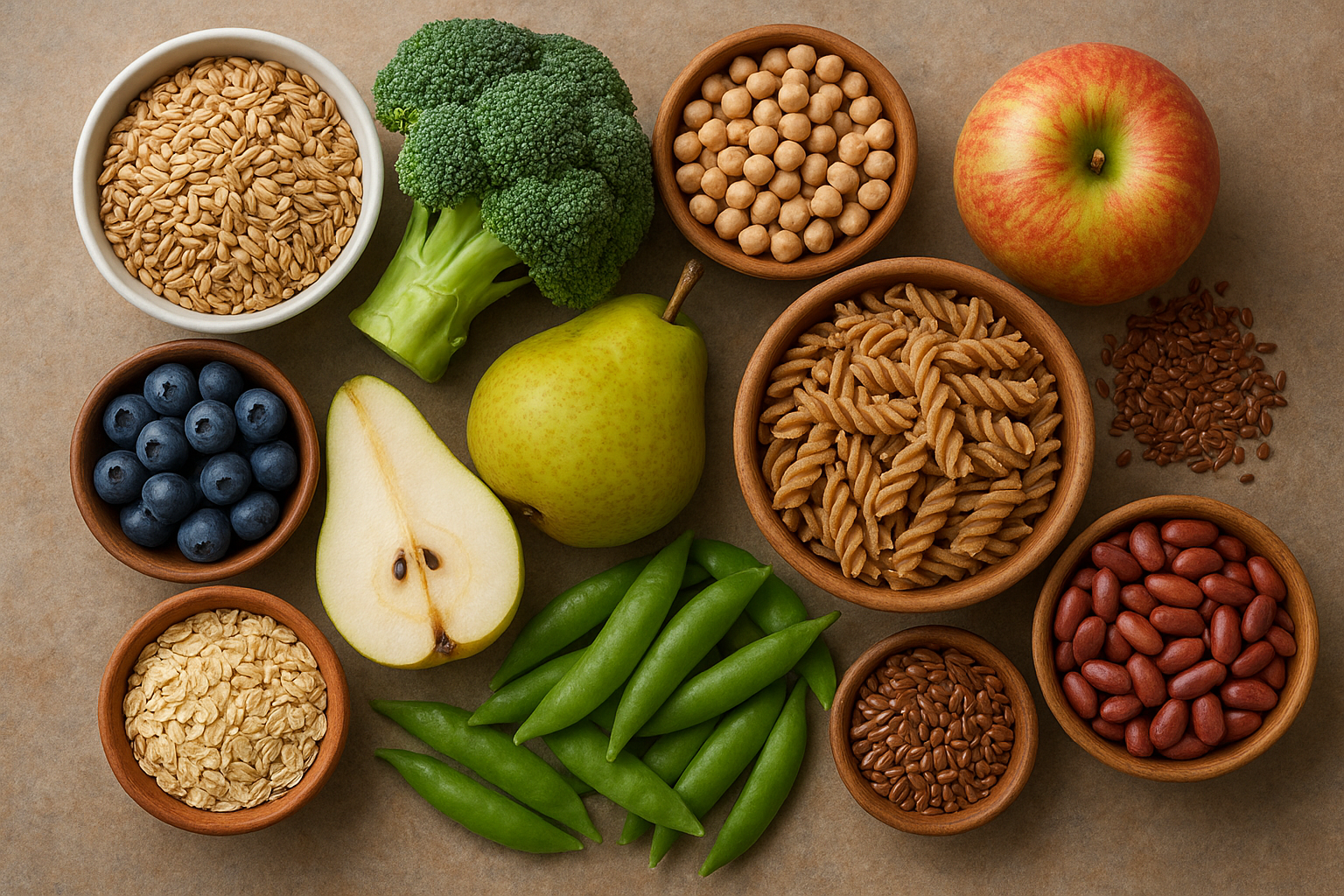
– Legumes: Beans, lentils, and chickpeas are fiber powerhouses and versatile for soups, salads, and bowls.
– Whole grains: Oats, barley, quinoa, brown rice, bulgur, and whole-wheat products provide substantial fiber and longer-lasting energy.
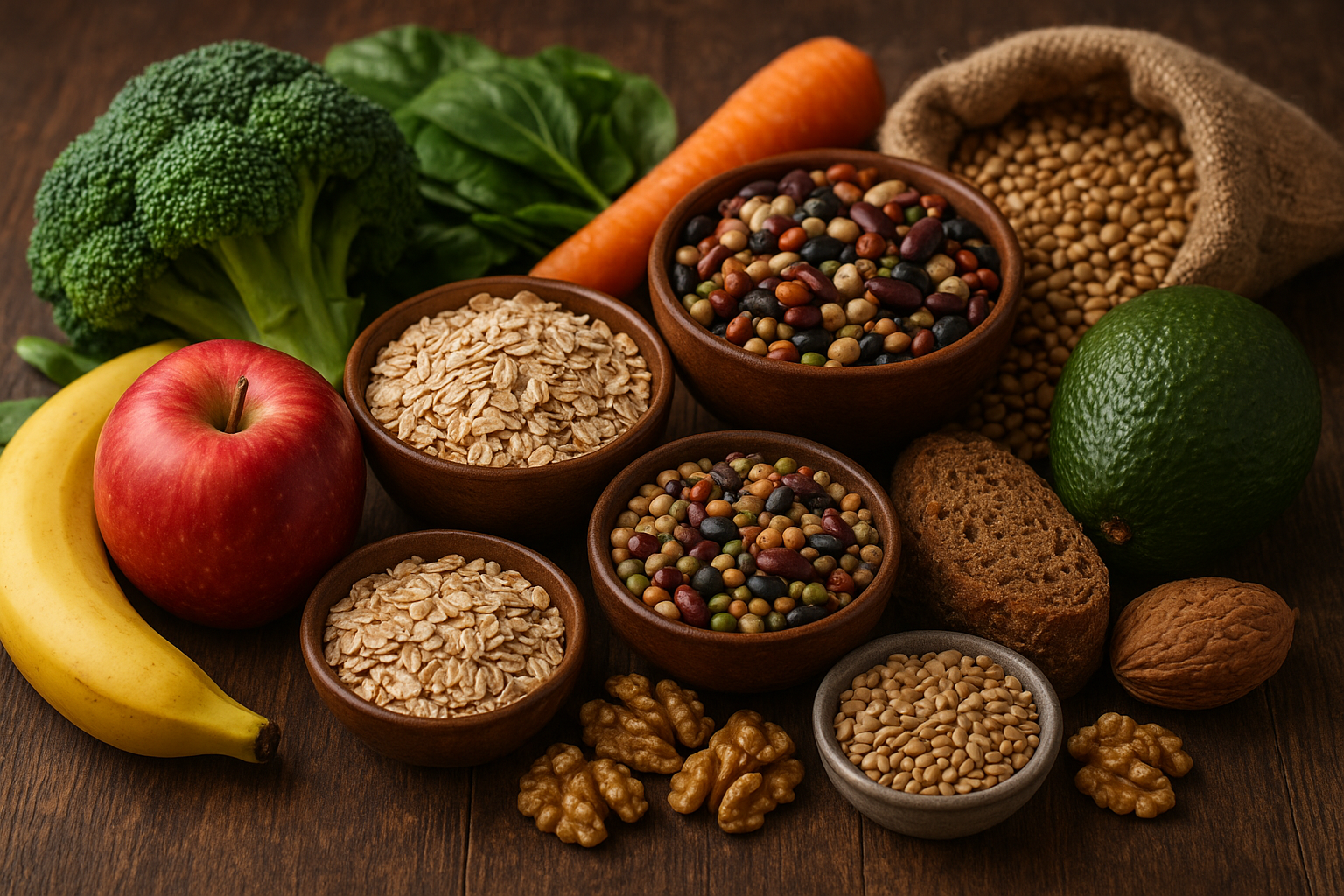
– Fruits and vegetables: Berries, apples (with skin), pears, oranges, leafy greens, broccoli, Brussels sprouts, and artichokes are fiber-rich choices. Keep the skin on fruits and vegetables when possible for extra fiber.
– Nuts and seeds: Almonds, walnuts, pistachios, flaxseeds, chia seeds, and hemp seeds add fiber as well as healthy fats and protein.
– Root vegetables and tubers: Sweet potatoes with skin, carrots, and beets contribute fiber and a range of micronutrients.
– Potatoes with skin and whole-food snacks: Using the skin-on forms of potatoes, or snacking on air-popped popcorn or roasted chickpeas, can boost daily fiber intake.
Practical tips to increase fiber safely
– Increase gradually: Add small amounts of fiber each week, aiming for a total daily target of roughly 25–38 g (adjust for age, gender, and individual tolerance). A gradual rise helps your gut adapt and reduces gas and bloating.
– Hydration matters: Fiber works best when you drink enough water. Aim for consistent hydration throughout the day to help fiber move smoothly through the digestive system.
– Balance soluble and insoluble fiber: Include a mix of sources to support both digestion and fullness. For example, combine oats (soluble) with berries (soluble and insoluble) and a handful of nuts (insoluble).
– Mind portion sizes: Some fiber-rich foods are high in calories or can cause gas if consumed in large amounts too quickly. Start with moderate portions and adjust based on comfort and energy levels.
– Listen to your body: If you have an existing digestive condition, such as irritable bowel syndrome (IBS), you may need to tailor your fiber intake. Some people benefit from lower-FODMAP fiber sources or staged increases; consult a healthcare professional for personalized guidance.
– Pair fiber with protein and fat: A meal that combines fiber-rich carbs with protein and healthy fats tends to promote satiety and steady energy.
Sample high-fiber day
– Breakfast: Oatmeal made with rolled oats, topped with berries, a tablespoon of chia seeds, and a drizzle of almond butter.
– Snack: An apple with skin and a handful of almonds.
– Lunch: Lentil or bean-based soup with a side salad that includes leafy greens, cherry tomatoes, and quinoa.
– Snack: Carrot and celery sticks with hummus; or air-popped popcorn.
– Dinner: Grilled vegetables (broccoli, Brussels sprouts, and peppers) with a quinoa or barley pilaf, plus a side of chickpeas or black beans.
– Hydration: Water or herbal tea throughout the day; consider a glass of water with a slice of citrus with meals to aid digestion.
Fiber by meal idea: how to plan
– Breakfast: Include a whole-grain option (oats, bran cereal, or whole-grain toast) plus a fruit with edible skin and a source of soluble fiber like flaxseeds or chia.
– Lunch: Build a bean- or lentil-based bowl with vegetables and a whole grain (brown rice, farro, or bulgur).
– Dinner: Add a fiber-rich side such as steamed broccoli or Brussels sprouts, and finish with a portion of quinoa or barley.
– Snacks: Choose fruit with skin, nuts, seeds, or a small portion of hummus with raw veggies.
Measuring your fiber intake
– General targets: Aim for about 25–38 g of fiber per day, with about 14 g of fiber per 1,000 calories as a rough guideline. Your needs may vary based on age, sex, and activity level.
– Practical approach: If you’re not sure you’re hitting the mark, try adding one more fiber-rich food to each meal or swapping a refined grain for a whole-grain alternative.
Common questions and caveats
– Will fiber cause gas? Some gas is normal when you first increase fiber, especially with beans and cruciferous vegetables. Increase gradually and ensure adequate hydration. If gas or bloating is persistent, identify specific trigger foods and consider spreading fiber more evenly across meals.
– Can everyone benefit from fiber? Most adults benefit, but people with certain digestive conditions or on specific medications may need tailored guidance. If you have persistent GI symptoms, talk to a healthcare professional.
– Can fiber help with energy and weight management? Yes. Fiber promotes fullness and slower carbohydrate absorption, which can support steady energy levels and help manage appetite.
Take-home message
High-fiber foods are a simple, delicious, and effective way to support a healthy gut and maintain steady energy. By choosing a diverse mix of soluble and insoluble fiber sources and gradually increasing your intake while staying well-hydrated, you can nurture your microbiome, improve digestion, and enjoy more consistent daytime energy. Make fiber a natural part of your meals, and you’ll likely notice benefits in how you feel, mood, and overall well-being over time.
