
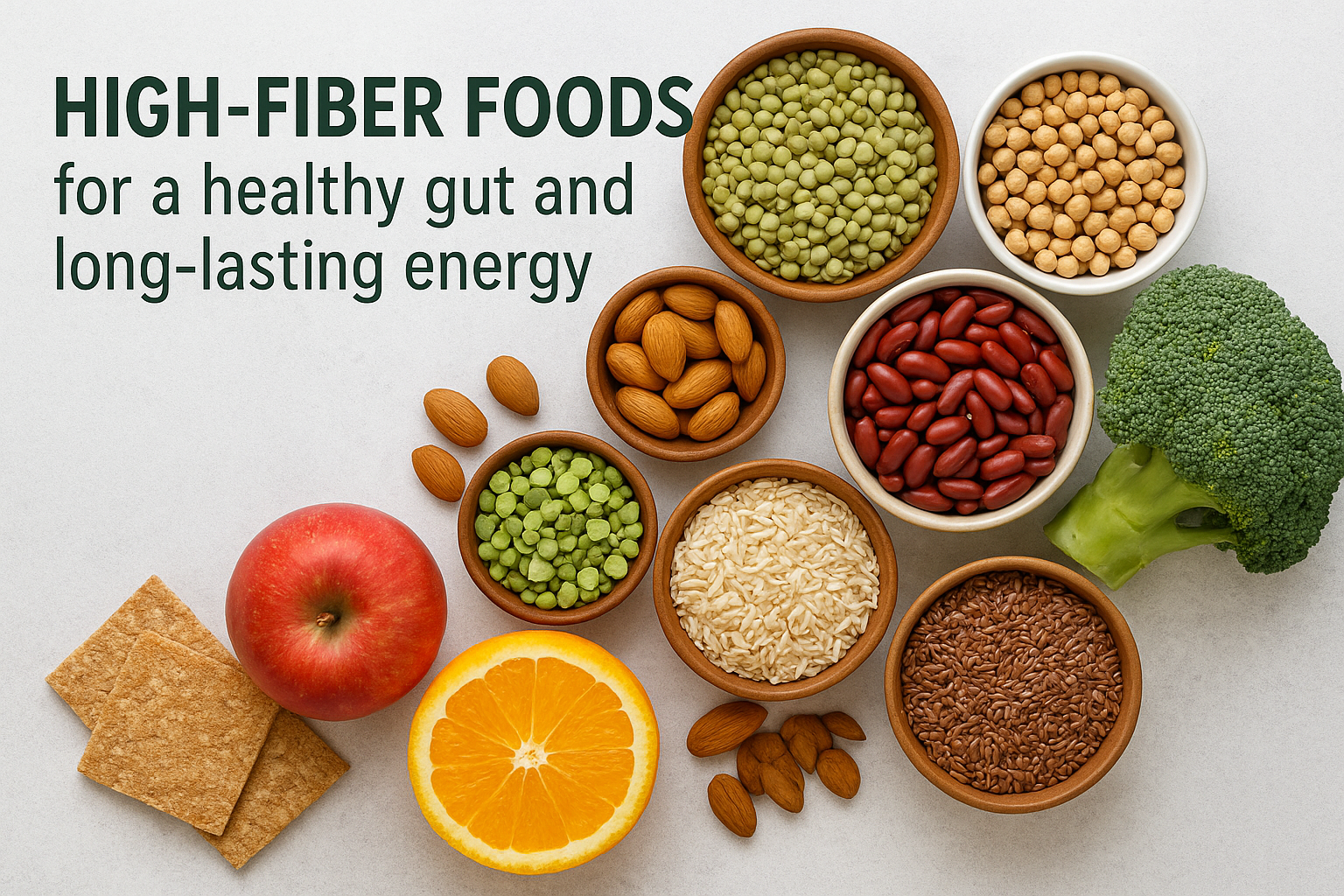
High-fiber foods for a healthy gut and long-lasting energy
April 14, 2026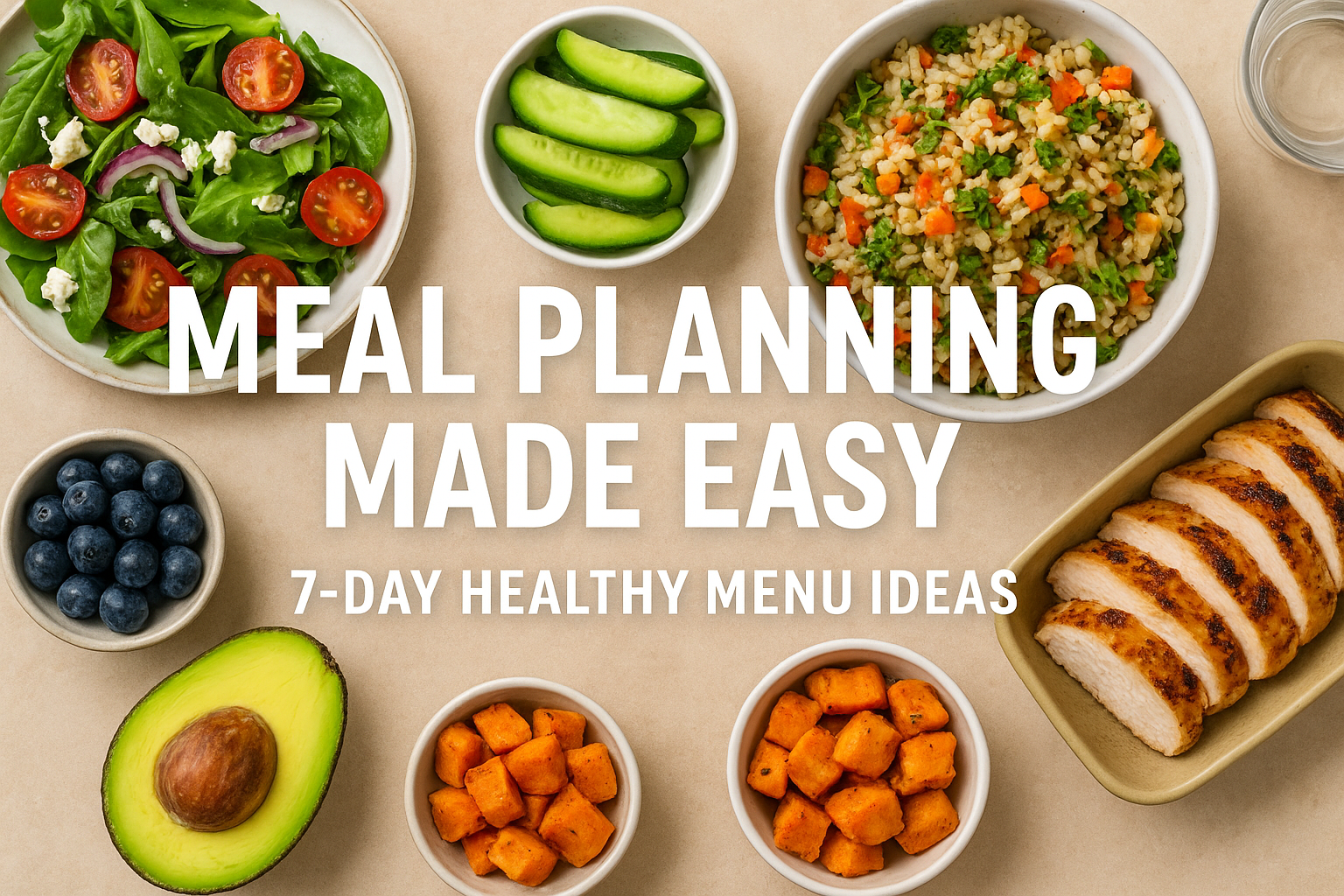
Meal planning made easy: 7-day healthy menu ideas
April 14, 2026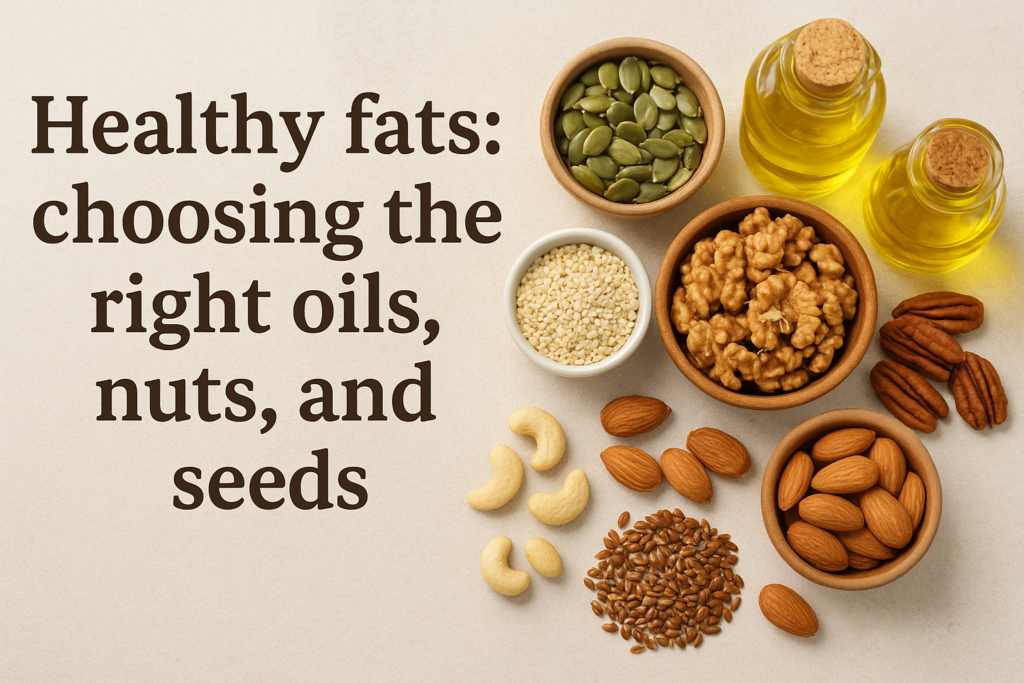
Healthy fats play a central role in energy, cell function, and nutrient absorption. Choosing the right oils, nuts, and seeds can support heart health, reduce inflammation, and help you stay satisfied between meals. This article covers practical picks, how to use them, and simple ways to include more healthy fats in your day.
Oils you can rely on every day
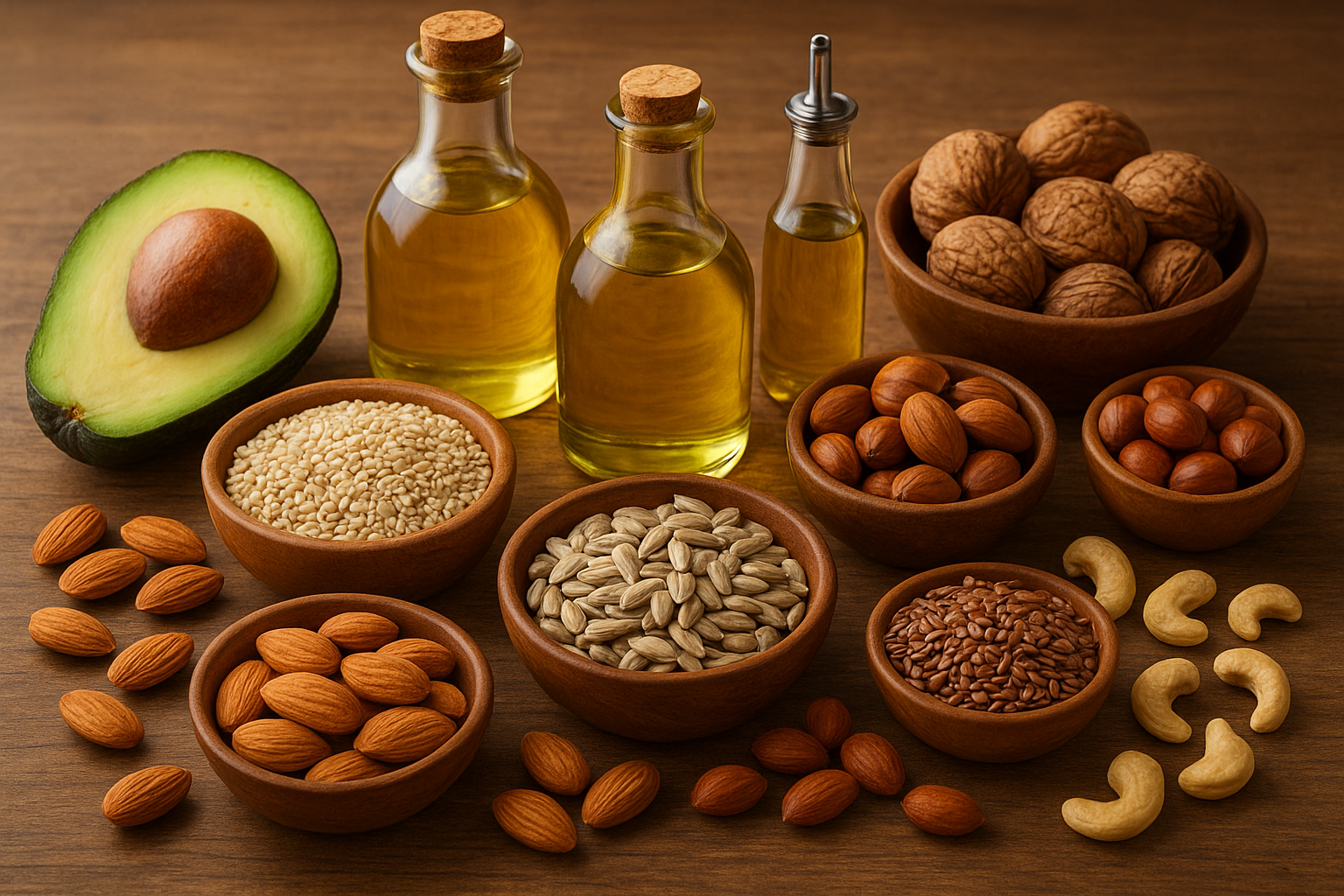
– Extra-virgin olive oil: A staple in heart-healthy eating. Rich in monounsaturated fats and polyphenols, it's excellent for dressings, dips, and finishing dishes. Its flavor shines in salads, roasted vegetables, and pasta. Use it at low to medium heat; save higher-heat cooking for oils with higher smoke points.
– Avocado oil: Neutral to slightly buttery flavor with a very high smoke point, making it great for high-heat sautéing, stir-fries, and roasting. It’s versatile, easy to use as a general cooking oil, and provides a solid amount of monounsaturated fats.
– Canola (rapeseed) oil: Mild taste and a favorable omega-3 to omega-6 profile for an everyday oil. Suitable for cooking at moderate heat and for baking. Choose cold-pressed varieties when possible.
– Grapeseed oil: Light flavor and high smoke point. Works well for sautéing, frying, and light dressings. Be mindful that it contributes more omega-6 fats, so pair with omega-3 sources throughout the day.
– Walnut oil: Distinctive, nutty flavor that’s delicious in salad dressings or finishing drizzles over roasted vegetables or toast. Not ideal for high-heat cooking; keep it cold and add at the end.
– Flaxseed oil: A rich source of plant-based omega-3 (ALA). Best used cold—in dressings, smoothies, or stirred into yogurt or oats. Store in the refrigerator and use within a few weeks of opening; avoid cooking with it.
– Sesame oil: Has two main varieties. Toasted sesame oil adds a strong nutty flavor and is best for finishing dishes or light stir-fries, while untoasted sesame oil can be used for cooking. Use in moderation to avoid overpowering flavors.
– Coconut oil: High in saturated fat and solid at room temperature. It can be enjoyable for certain recipes (baking, tropical dishes) but use in moderation and balance with unsaturated fats. Not a universal substitute for all cooking fats.
– Peanut oil: High smoke point and common in Asian-style stir-fries. Good for high-heat cooking, but like many refined oils, it’s still a source of omega-6 fats, so balance with omega-3-rich foods.
Tips for choosing oils
– Prioritize minimally processed and extra-virgin or cold-pressed oils when available.
– Consider your cooking method: reserve high-heat oils (avocado, refined canola, grapeseed) for frying and searing; use olive oil or walnut oil for dressings and finishing touches.
– Check for freshness. Oils can go rancid over time; if they smell sharp, sour, or off, it’s best to replace them.
– Store oils in a cool, dark place; refrigerate flaxseed oil and any oil labeled as highly perishable or with a delicate flavor.
Nuts and seeds: rich, versatile fat sources
Nuts
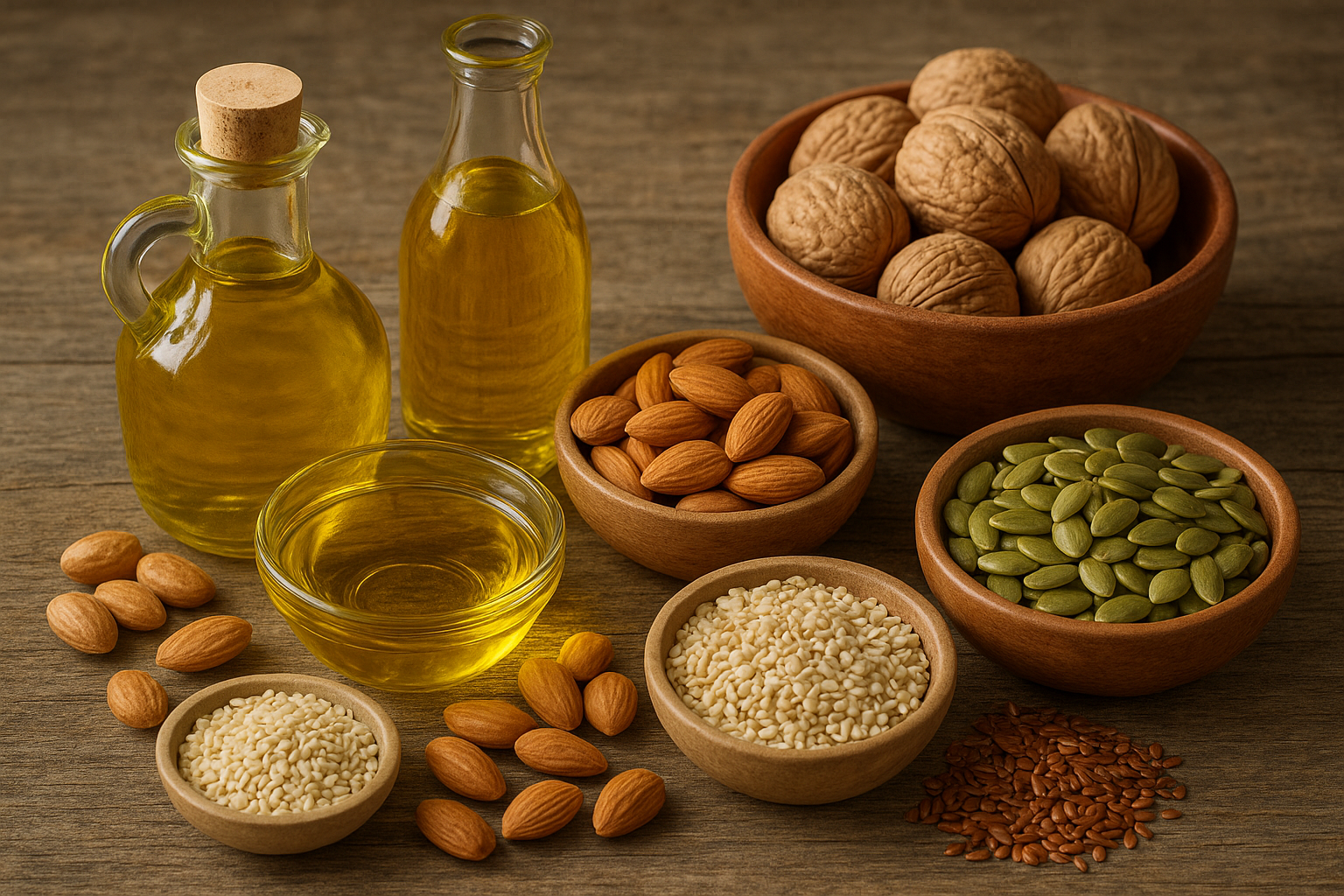
– Almonds: Rich in monounsaturated fats, vitamin E, and fiber. Great as a snack, in yogurt, or added to salads and baked goods.
– Walnuts: A standout source of plant-based omega-3 fats (ALA) and polyphenols. Excellent in salads, oatmeal, baked goods, or blended into a creamy sauce.
– Pistachios: A satisfying option with healthy fats and potassium. Enjoy as a snack or in trail mixes and spreads.
– Cashews: Creamy texture and a good amount of monounsaturated fats. Use in sauces, creamy dressings, or as a snack.
– Pecans, hazelnuts, macadamias: Each brings unique flavor and fat profiles—macadamias are particularly high in monounsaturated fats; pecans and hazelnuts add crunch and beneficial nutrients to dishes.
Serving size tip: about 1 ounce (28 grams) per handful is a common guideline. Nuts are energy-dense, so a small portion can go a long way in contributing quality fats, protein, and fiber to meals.
Seeds
– Flaxseeds and chia seeds: Excellent plant-based omega-3 sources (ALA) and fiber. Grind flaxseeds to improve digestibility; chia can thicken smoothies and puddings. Add to cereals, yogurt, or baked goods.
– Hemp seeds: A balanced profile of fats, protein, and minerals. Sprinkle on yogurt, salads, or cereals.
– Pumpkin seeds: A good source of polyunsaturated fats, magnesium, and zinc. Enjoy roasted as a snack or chopped up in salads and warm dishes.
– Sunflower seeds: Rich in polyunsaturated fats and vitamin E. Use in salads, baking, or as a crunchy topping.
– Sesame seeds: Provide healthy fats and a pleasant nutty flavor; use in dressings, stir-fries, and baked goods.
– General guidance: ground or crushed seeds improve nutrient absorption (especially flax and sesame). Store seeds in a cool, dry place; consider refrigeration for longer freshness.
Practical ways to include healthy fats every day
– Drizzle olive oil over vegetables, grains, or legumes; finish with a splash of lemon or vinegar.
– Add a handful of nuts to salads, yogurt, oats, or roasted vegetables for texture and staying power.
– Stir ground flaxseeds into smoothies, oatmeal, or batters for a nutty boost of omega-3s and fiber.
– Mix seeds into trail mixes, cereals, or baked goods; toast lightly to deepen flavor.
– Use avocado or sesame oil for stir-fries and high-heat cooking to diversify fats without sacrificing flavor.
Balancing fats for heart health and overall wellness
– Focus on unsaturated fats as the primary fat source: monounsaturated and polyunsaturated fats should form the backbone of your daily fat intake.
– Include omega-3 rich options regularly: flaxseeds, chia seeds, walnuts, and certain oily fish (if you eat them) help balance omega-6 fats frequently present in many foods.
– Be mindful of omega-6 intake from some vegetable oils. Strive for a varied mix of oils and pair high-omega-6 options with omega-3-rich foods to support a healthier balance.
– Remember portion control. Even healthy fats are energy-dense; small portions can provide fullness and flavor without overdoing calories.
Storage and freshness
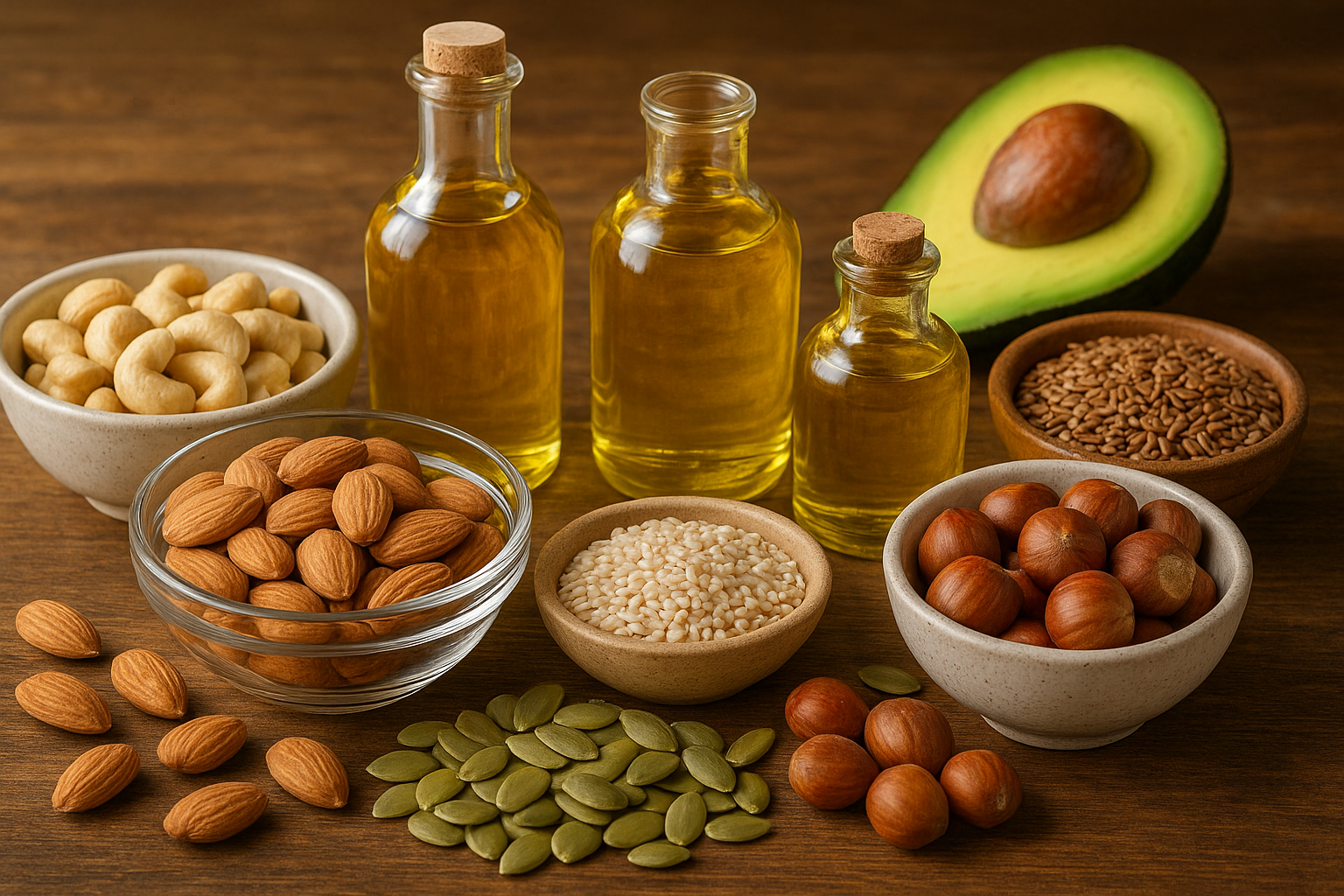
– Keep oils in a cool, dark place away from heat and light. If possible, store certain delicate oils (like flaxseed oil) in the refrigerator after opening.
– Nuts and seeds have a relatively long shelf life when stored in a cool, dry place; refrigerating or freezing can extend shelf life for longer periods, especially in warm climates.
– Watch for rancidity signs (off smell, sour taste, or a dull flavor). When in doubt, replace.
Putting it into practice
– Build meals around quality fats: a salad with olive oil and walnuts, oat bowls with seeds, or a stir-fry finished with a drizzle of sesame oil.
– Vary your fats across oils, nuts, and seeds to obtain a broader spectrum of fats, fiber, and micronutrients.
– Aim for balance across the day: rely on unsaturated fats for most fat intake, and keep saturated fats modest, choosing sources like coconut oil or full-fat dairy less often if you’re focusing on cardiovascular health.
A simple daily framework
– Choose one primary cooking oil (olive oil for most cooking) and rotate with avocado or canola oil for variety.
– Include a handful of nuts or a couple of tablespoons of seeds most days.
– Add omega-3-rich foods regularly (ground flax, chia, walnuts) and enjoy a cold, finishing oil (like walnut or flaxseed oil) on salads or vegetables rather than heating it.
Healthy fats don’t have to be complicated. By selecting the right oils and incorporating nuts and seeds into meals, you can enjoy flavorful, satisfying foods while supporting heart health, inflammation control, and overall well-being.
