
Smart snacks: options that satisfy and nourish
April 14, 2026
Hydration through food: fruits and vegetables with high water content
April 14, 2026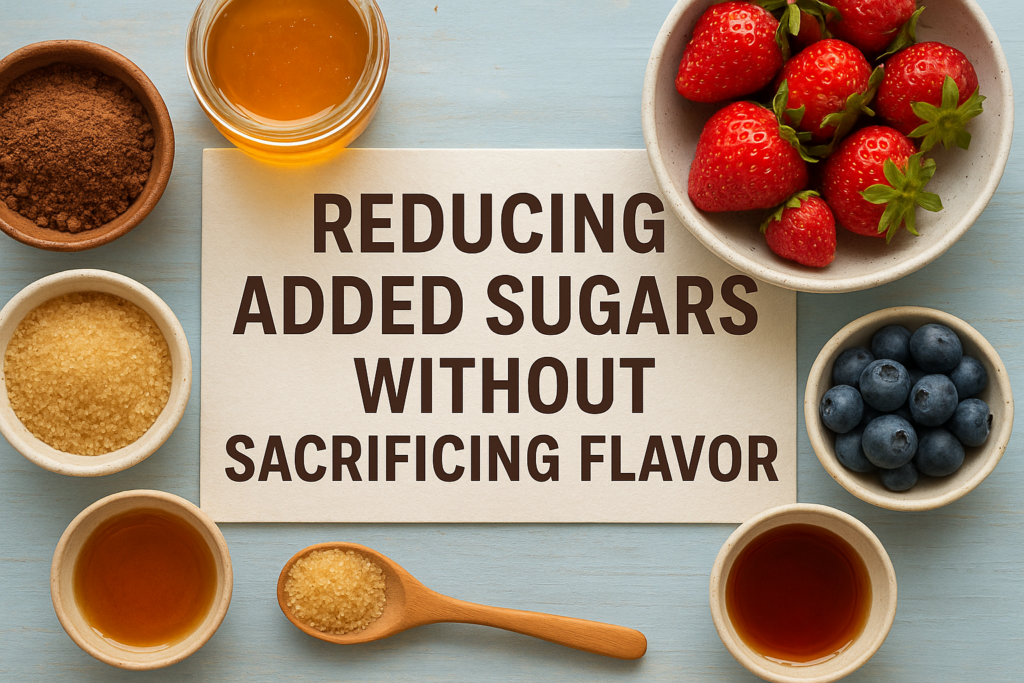
Reducing added sugars without sacrificing flavor
Sugar has a magic trick: a small amount can transform a dish into something bright, comforting, and memorable. Yet many of us want to trim added sugars for health reasons, without dulling the palate or compromising enjoyment. The good news is that you can cut back thoughtfully and still enjoy foods and drinks that taste well balanced, vibrant, and deeply satisfying.
Why flavor can suffer when you cut sugar
Sugar doesn’t just sweeten; it also affects texture, browning, moisture, and aroma. In baked goods, sugar helps tenderize and keeps products moist; in beverages, it carries sweetness and rounds sharp acidity. When you remove or reduce sugar abruptly, flavors can taste flat, bitterness can emerge, and textures can feel dry or crumbly. The goal is to preserve the sensory cues that make foods appealing while dialing back the added sugar.
Strategies for reducing added sugars without sacrificing flavor
– Lead with flavor, not sweetness
– Amp up aroma: vanilla, almond, citrus zest, cinnamon, nutmeg, cardamom, ginger, and fresh herbs can enhance depth and perception of sweetness without adding many calories.
– Use salt strategically: a small pinch of salt can elevate sweetness and balance flavors, especially in desserts and sauces.
– Play with acidity: a squeeze of lemon or lime juice, a splash of vinegar, or a tart yogurt can brighten other flavors and make less sugar feel sufficient.
– Build sweetness from real ingredients
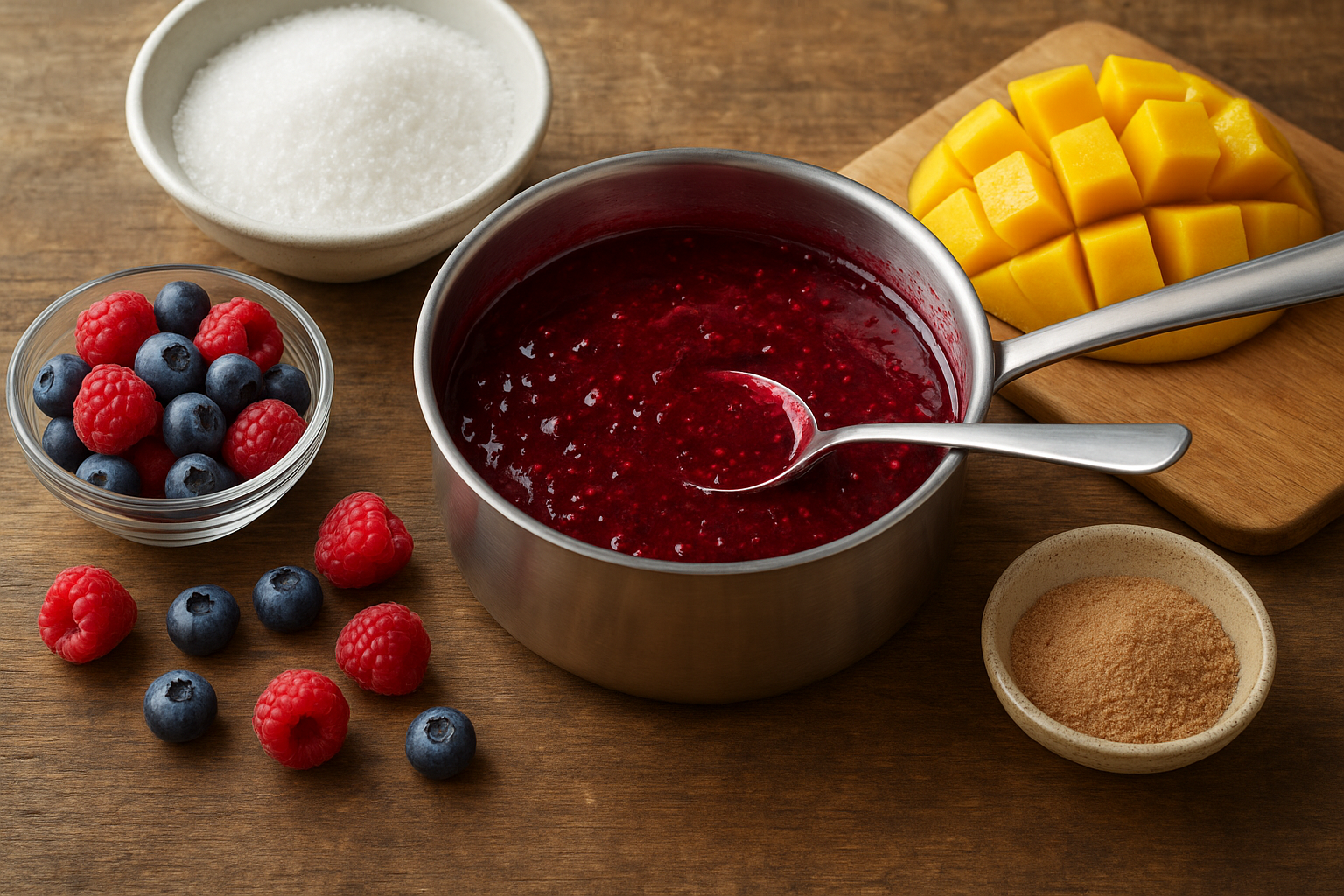
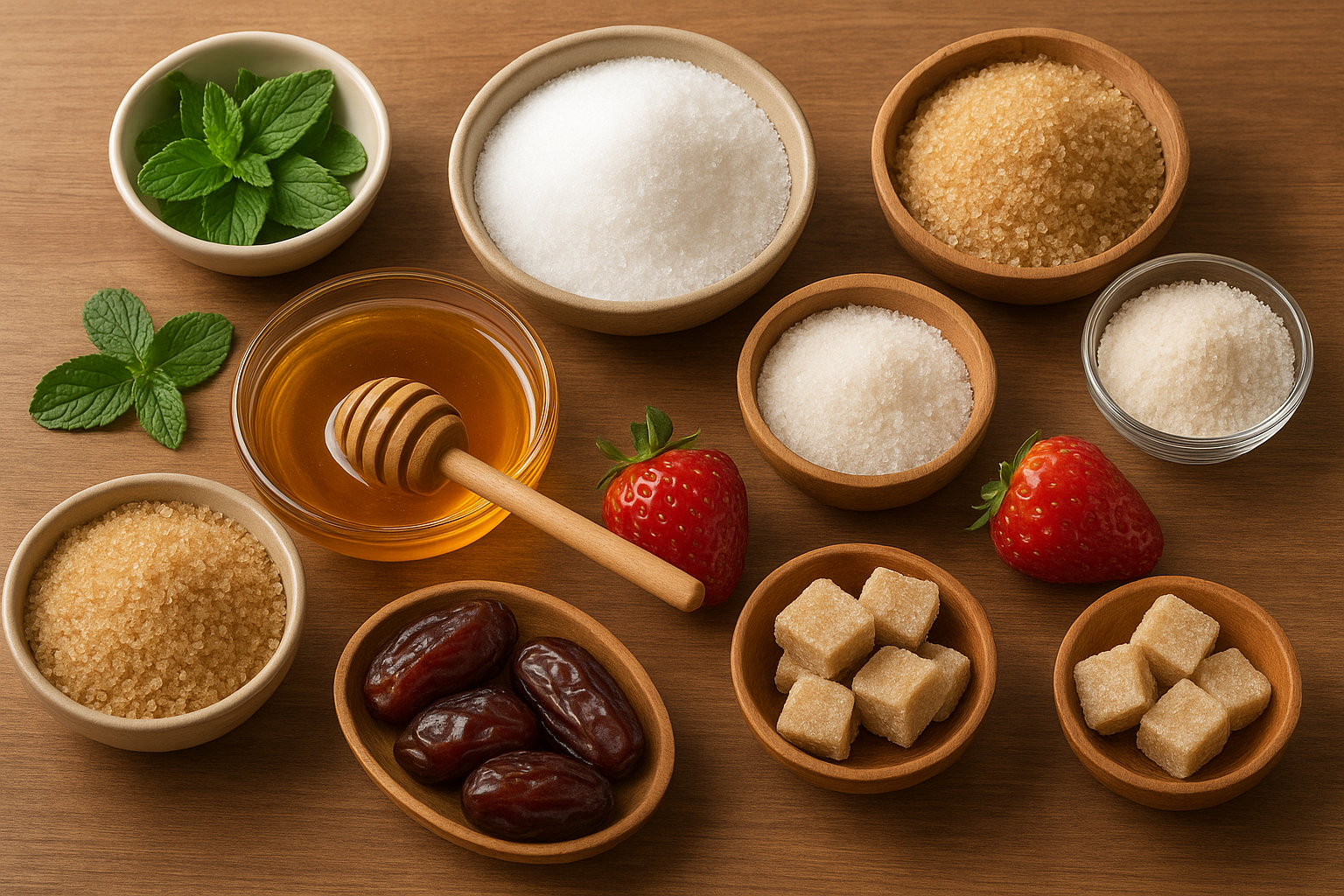
– Use fruit-forward natural sweetness: ripe bananas, applesauce, dates, or pureed berries can add flavor complexity and moisture. Start by replacing a portion of sugar with fruit puree or mashed fruit, then adjust the rest of the recipe.
– Incorporate vegetables for texture and sweetness: roasted carrots, pumpkin, or sweet potato can contribute natural sweetness to dishes like muffins, sauces, or gravies, reducing the need for added sugar.
– Add fruit toppings or fillings: fresh berries, citrus segments, or a fruit compote can deliver sweetness when you want a dessert-like finish.
– Improve texture and mouthfeel
– Emulsions, fats, and dairy: a touch of yogurt, cream cheese, or a small amount of cream can convey fullness and reduce the perceived need for extra sugar in some desserts and beverages.
– Texture tricks: crunchy toppings (toasted nuts, seeds, or a sprinkle of crushed whole grains) can make a lower-sugar item feel more indulgent.
– Temperature helps: serving fruit or yogurt-based options cold or adding a warm spice to a cool dish can enhance perceived sweetness.
– Use sugar substitutes thoughtfully
– Calorie-free or low-calorie options (like stevia, monk fruit) can be useful in beverages and some desserts, but they can have aftertastes or behave differently in baking. Start with small amounts and adjust to taste.
– Sugar alcohols (like erythritol or xylitol) can provide bulk and sweetness with fewer calories, but others may cause digestive discomfort in some people. Use in moderation and test how your recipes react.
– For baking, consider 1:1 substitutes designed for baking or recipes tailored to your chosen sweetener. Sometimes a combination of a small amount of regular sugar with a sugar substitute yields the best texture and flavor.
– Rebalance, don’t erase, sweetness in beverages
– Dilute sweets with unsweetened tea, sparkling water, or milk alternatives.
– Infuse beverages with fruit, herbs, and citrus instead of relying on syrup or sweeteners.
– Gradually reduce sugar over time to retrain your palate; a slower pace helps you notice more nuanced flavors.
– Rethink desserts and sauces
– Fruit-based desserts: roasted fruit, baked apples, or baked pears with spices can satisfy a sweet tooth with less added sugar.
– Sauces and dressings: instead of a heavy, sugary glaze, try reductions using vinegars, citrus, and a small amount of honey or maple syrup tied to the fruit’s natural sweetness.
– Chocolate and cocoa: bake or mix with dark chocolate (70% cocoa or higher) or cocoa for rich flavor where only a small amount of added sugar is needed.
– Plan and portion smarter
– Decrease sugar by a fixed percentage (e.g., 25%) in a recipe and taste. If more sweetness is needed, add a little extra fruit, vanilla, or spice rather than more sugar.
– Focus on smaller portions of sweeter items and pair them with foods that have fat, protein, or fiber to slow sugar absorption and improve satisfaction.
A practical 4-step plan to reduce added sugars
1) Audit and prioritize
– Review typical meals and identify the sources of added sugars (beverages, snack bars, sweetened yogurt, desserts, sauces).
– Choose 1–2 items to tackle each week rather than changing everything at once.
2) Set achievable targets
– For beverages, aim to reduce added sugar by one-third to one-half in a week.
– For baking, reduce sugar by 20–25% and adjust moisture with a little extra fruit purée or yogurt as needed.
3) Taste-first adjustments
– After each reduction, taste and adjust with flavor boosters (citrus, spices, vanilla) rather than sugar.
– Keep a small “tasting panel” of household members to provide quick feedback and prevent over-correction.
4) Track and refine
– Keep simple notes on what worked and what didn’t. Note any texture changes in baked goods and adjust liquids or leavening accordingly.
– Revisit items after a couple of weeks to decide if further reductions are possible without sacrificing enjoyment.
Smart substitutions and example ideas
– Breakfast and snacks
– Sweetened yogurt: mix plain yogurt with a spoon of fruit compote, vanilla, cinnamon, and fresh fruit.
– Oatmeal: cook with mashed banana or apple sauce, add berries and a pinch of cinnamon.
– Beverages
– Iced tea or coffee: reduce sugar gradually by half over a week, then add a citrus twist or a dash of cinnamon to maintain flavor.
– Smoothies: use unsweetened yogurt or milk, add fruit, and rely on the fruit’s natural sweetness plus a touch of vanilla or cinnamon.
– Baked goods
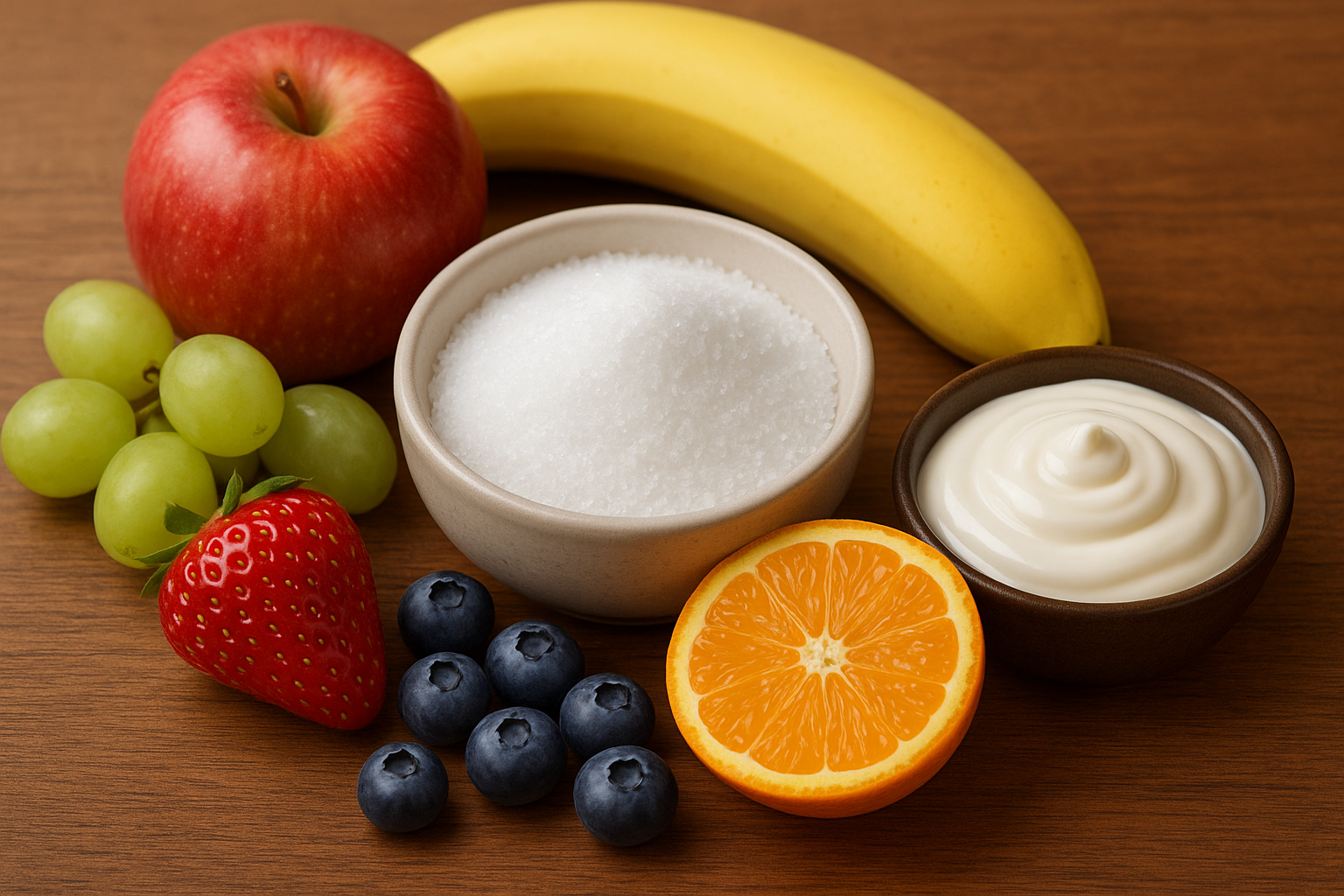
– Muffins or quick breads: replace 25% of sugar with unsweetened applesauce or mashed banana; boost moisture with a bit of yogurt or yogurt-based glaze for tenderness.
– Cookies: reduce sugar by 25% and add a pinch of espresso powder or cinnamon to boost perceived sweetness and aroma.
– Sauces, dressings, and condiments
– Ketchup, barbecue sauces, and glazes: make a version using tomato paste, vinegar, mustard, and spices with only a small amount of sweetener; finish with a splash of citrus or balsamic for brightness.
– Salad dressings: blend lemon juice or vinegar with a small amount of honey or maple syrup, plus Dijon mustard and olive oil for a balanced bite.
Common questions and pitfalls
– Will reducing sugar ruin texture or browning in baking?
– Sugar contributes to browning and moisture. If you reduce sugar, you may notice lighter color and drier texture. Compensate with a touch of oil or applesauce and add moisture with fruit purée or yogurt. You may also need to adjust baking time slightly.
– Can sugar substitutes affect taste or digestion?
– Some substitutes have aftertastes or digestive effects for some people. Start with small amounts, test in a single recipe, and choose alternatives that suit your palate and tolerance.
– Are there safety considerations?
– Most people can reduce added sugars safely, but those with certain medical conditions or on specific medications should consult a healthcare professional for personalized guidance.
Measuring the impact
– Palate adaptation takes time. Expect your taste preferences to shift as you gradually decrease added sugars and widen your flavor repertoire.
– Pay attention to how you feel after meals. You might notice steadier energy, fewer mid-afternoon sugar crashes, and a more balanced appetite.
Conclusion
Reducing added sugars doesn’t have to mean sacrificing flavor or satisfaction. By prioritizing flavor-building techniques, incorporating whole-food sweetness, adjusting textures, and using smart substitutions, you can enjoy delicious meals and beverages while trimming added sugars. Start small, taste often, and tailor the approach to your preferences. With a little experimentation and patience, you can create a pantry and a plate that taste vibrant and feel good to you.
