

Reducing added sugars without sacrificing flavor
April 14, 2026
Seasonal eating for optimal nutrition and sustainability
April 14, 2026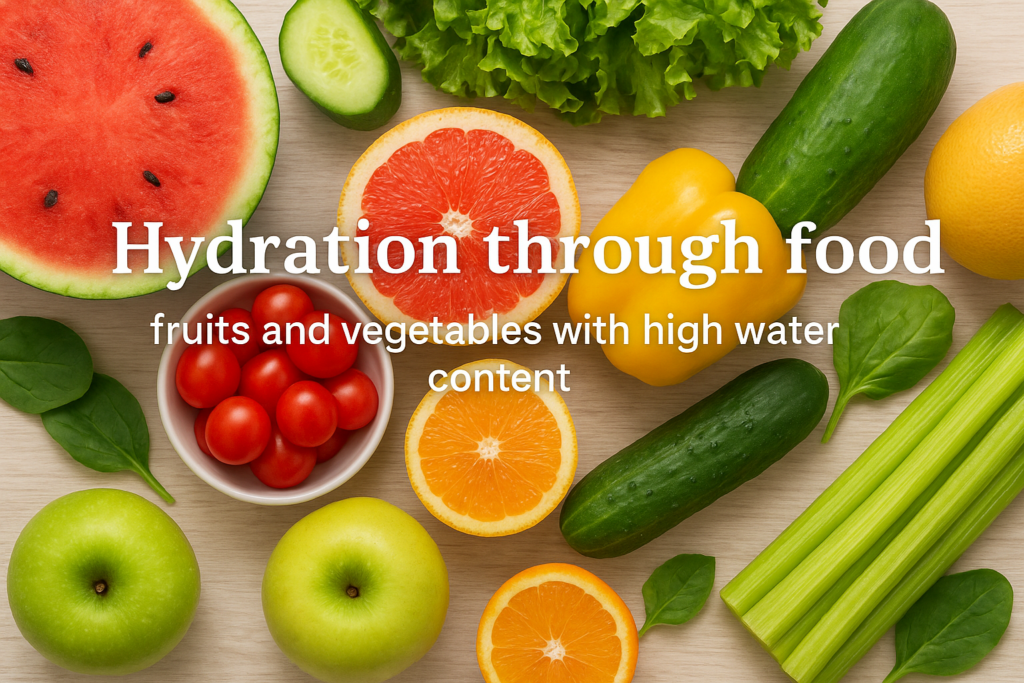
Hydration isn’t just about what you drink. Many fruits and vegetables are naturally high in water, so they can help you stay hydrated while also delivering vitamins, minerals, and fiber. If you’re aiming to boost your daily fluid intake, filling your plate with these water-rich options is a tasty and practical approach.
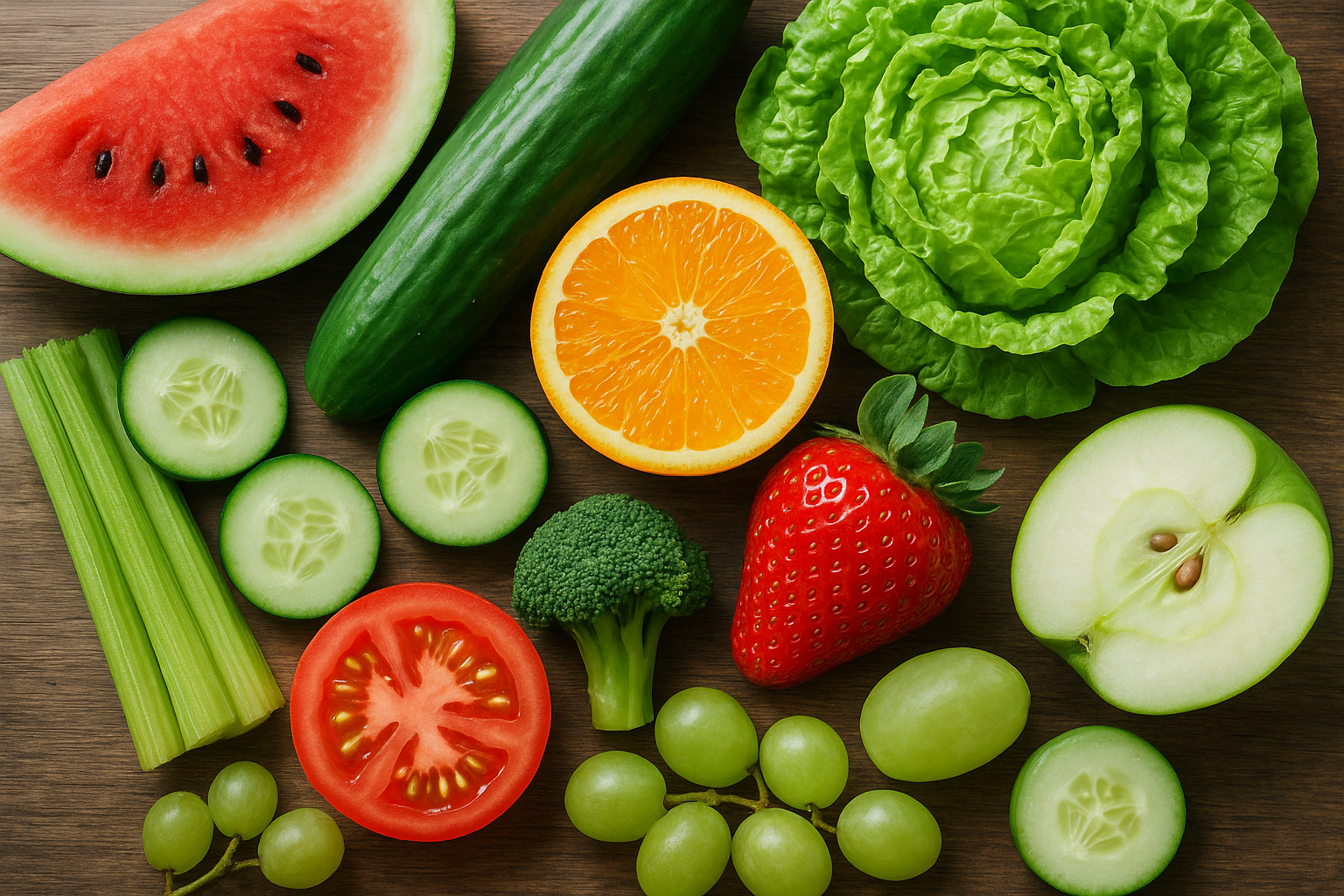
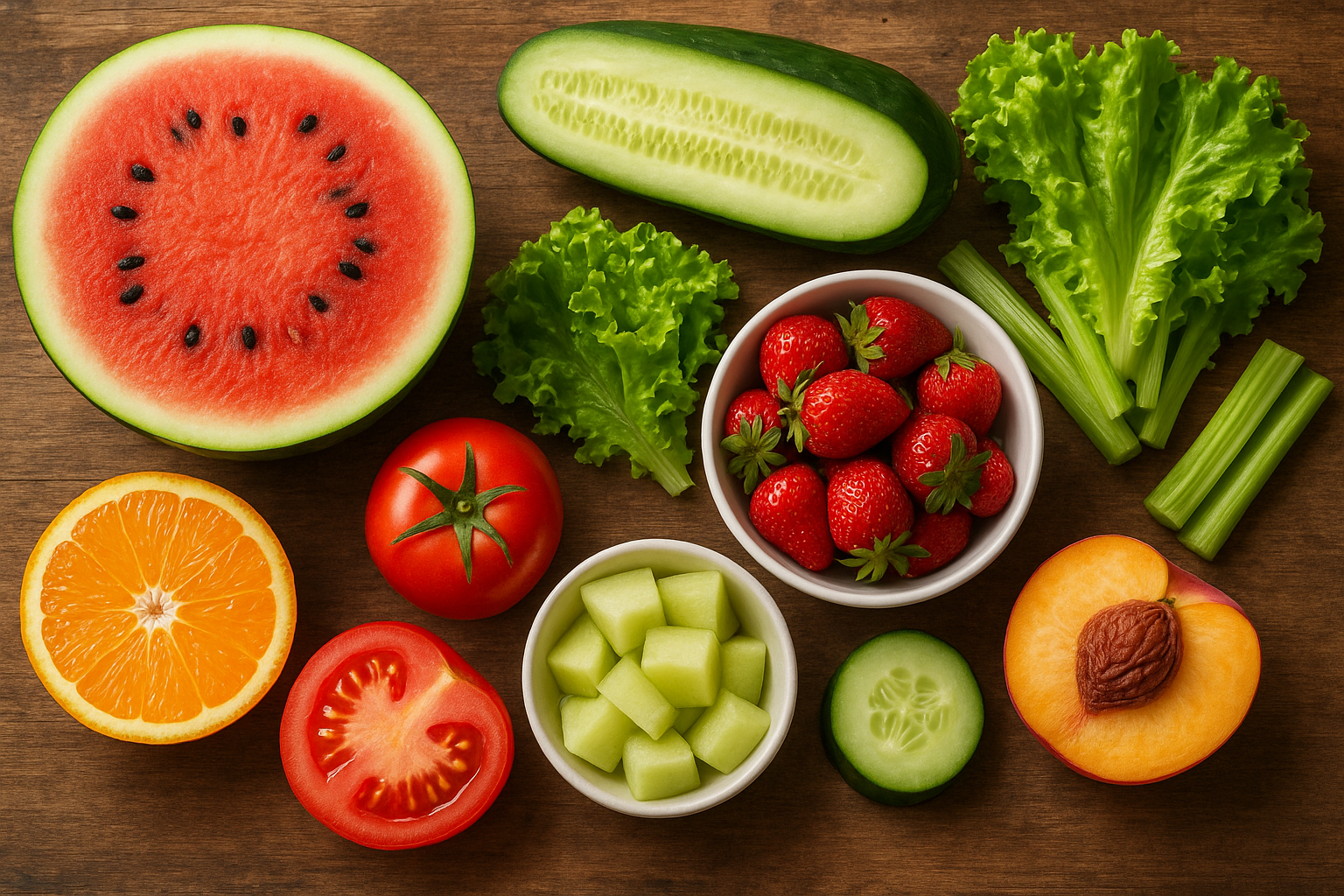
Fruits with high water content
– Watermelon: Around 92% water. It’s refreshing, naturally sweet, and great on hot days. It also provides vitamin C and beneficial plant compounds.
– Strawberries: About 91% water. They’re low in calories, high in vitamin C, and pair well with yogurt or salads.
– Cantaloupe: Roughly 90% water. A good source of hydration plus vitamin A from beta-carotene.
– Oranges: Close to 87% water. Juicy and rich in vitamin C; convenient as a quick snack or added to fruit salads.
– Pineapple: Approximately 86% water. Adds tropical flavor to smoothies and salsas, with enzymes that may aid digestion.
– Mango: Around 84% water. Sweet, versatile, and loaded with vitamins A and C.
– Grapes: In the 80s for water content. Easy to snack on by the handful and helpful for a quick hydration boost.
Vegetables with high water content
– Cucumber: About 95% water. Crisp, cooling, and excellent in salads, sandwiches, or as a hydrating snack with a dip.
– Lettuce (iceberg and romaine): Roughly 95% water. A simple base for salads or added crunch in wraps.
– Tomatoes: Around 95% water. Add to salads, sandwiches, soups, or salsas for moisture and flavor.
– Celery: About 95% water. Great for snacking with nut butters or dips, and a crunchy addition to salads.
– Zucchini: Approximately 94% water. Mild flavor, cooling in summer dishes or sliced raw with a dip.
– Bell peppers: In the low 90s for water content. Colorful, hydrating, and rich in vitamin C.
– Spinach: About 91% water. Versatile raw in salads or cooked into dishes for added moisture.
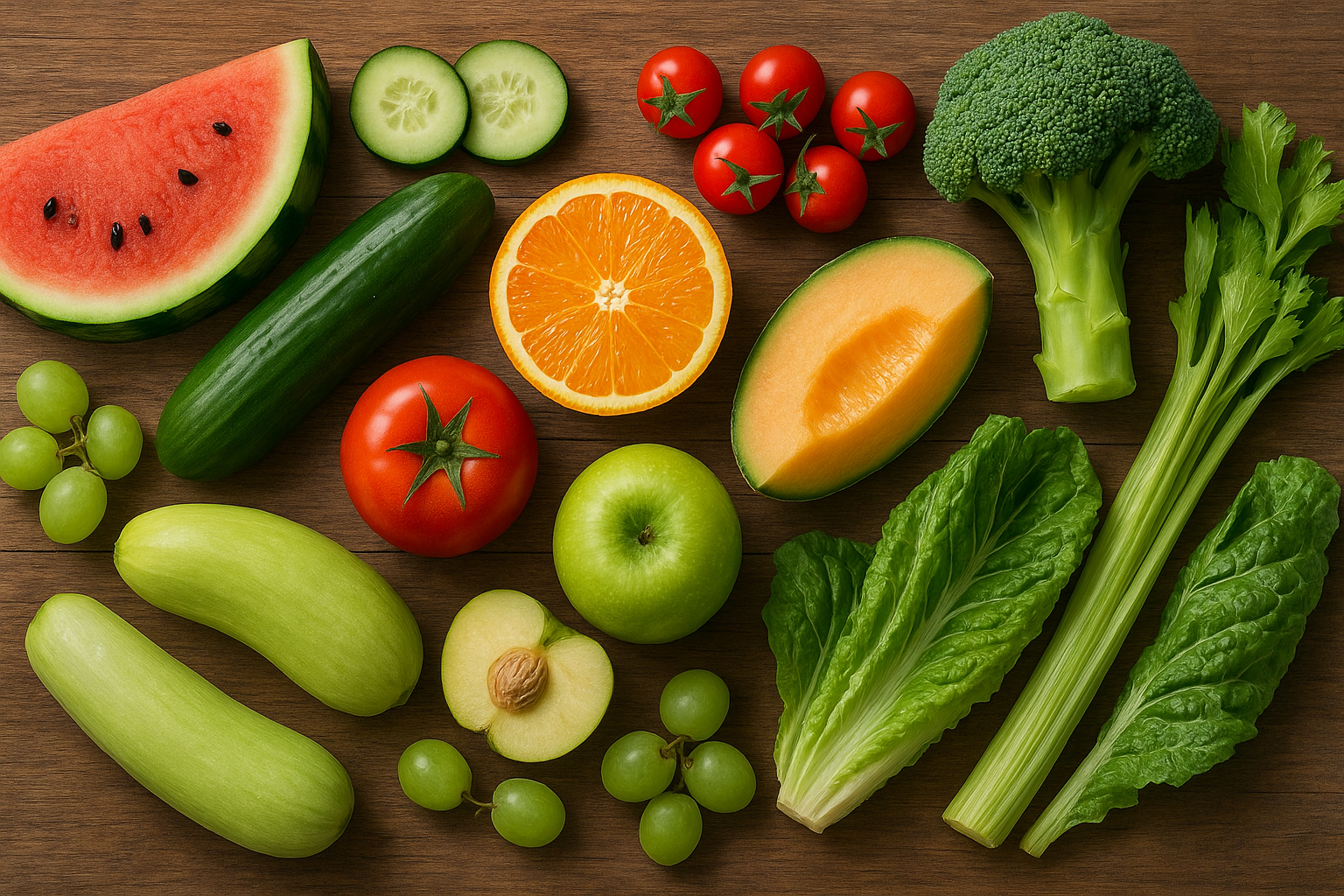
– Carrots: Around 88% water. Hydrating, fiber-rich, and sweet when eaten raw or roasted.
How to incorporate these foods into your day
– Start the day with hydrating foods: Add berries to yogurt or oats, or enjoy a slice of cantaloupe alongside breakfast.
– Build water-rich snacks: Slice cucumber, celery, or bell peppers for quick, crunchy snacks; pair with a healthy dip like hummus or yogurt.
– Load up meals with produce: Create large salads with leafy greens, tomatoes, cucumbers, and peppers; top with watermelon or mango chunks for a refreshing twist.
– Blend into smoothies: Combine high-water fruits like watermelon, strawberries, and cantaloupe with leafy greens for a hydrating smoothie.
– Add to meals through the day: Include sliced tomatoes in sandwiches, add cucumber to wraps, and toss spinach into soups or pasta dishes.
– Freeze for a cool treat: Freeze grapes or slices of watermelon for a refreshing, low-calorie snack on warm days.
Practical hydration tips
– Pair foods with fluids: Drink water alongside hydrating meals to ensure adequate fluids, especially in hot weather or after exercise.
– Use a variety of colors: A colorful plate means a broader range of nutrients in addition to water content.
– Keep produce accessible: Have washed and pre-cut fruits and vegetables available in the fridge for easy snacking.
– Mind portions: While these foods contribute to hydration, they’re not a substitute for drinking water or other beverages when needed, especially during intense activity or in heat.
A note on variety and moderation
High-water foods offer hydration plus fiber, vitamins, and minerals. They’re best enjoyed as part of a balanced diet that includes a variety of fruits, vegetables, whole grains, lean proteins, and healthy fats. If you have a medical condition that affects fluid balance or your electrolyte needs, consult with a healthcare professional for personalized guidance.
In short, hydrating through food is a tasty, practical way to support daily fluid intake. By choosing fruits and vegetables with high water content and incorporating them into meals and snacks, you can boost hydration naturally while enjoying a wide range of flavors and nutrients.
