
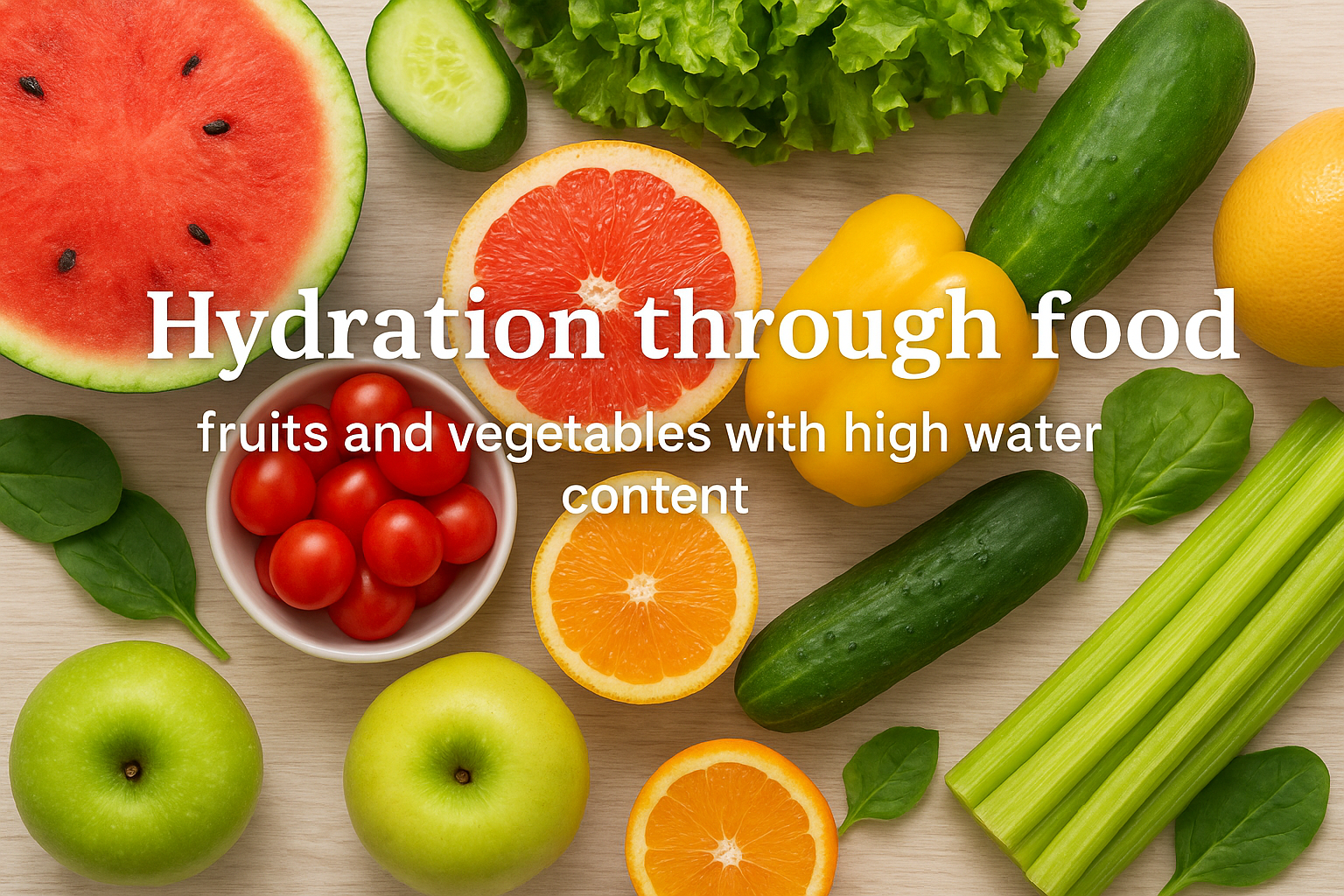
Hydration through food: fruits and vegetables with high water content
April 14, 2026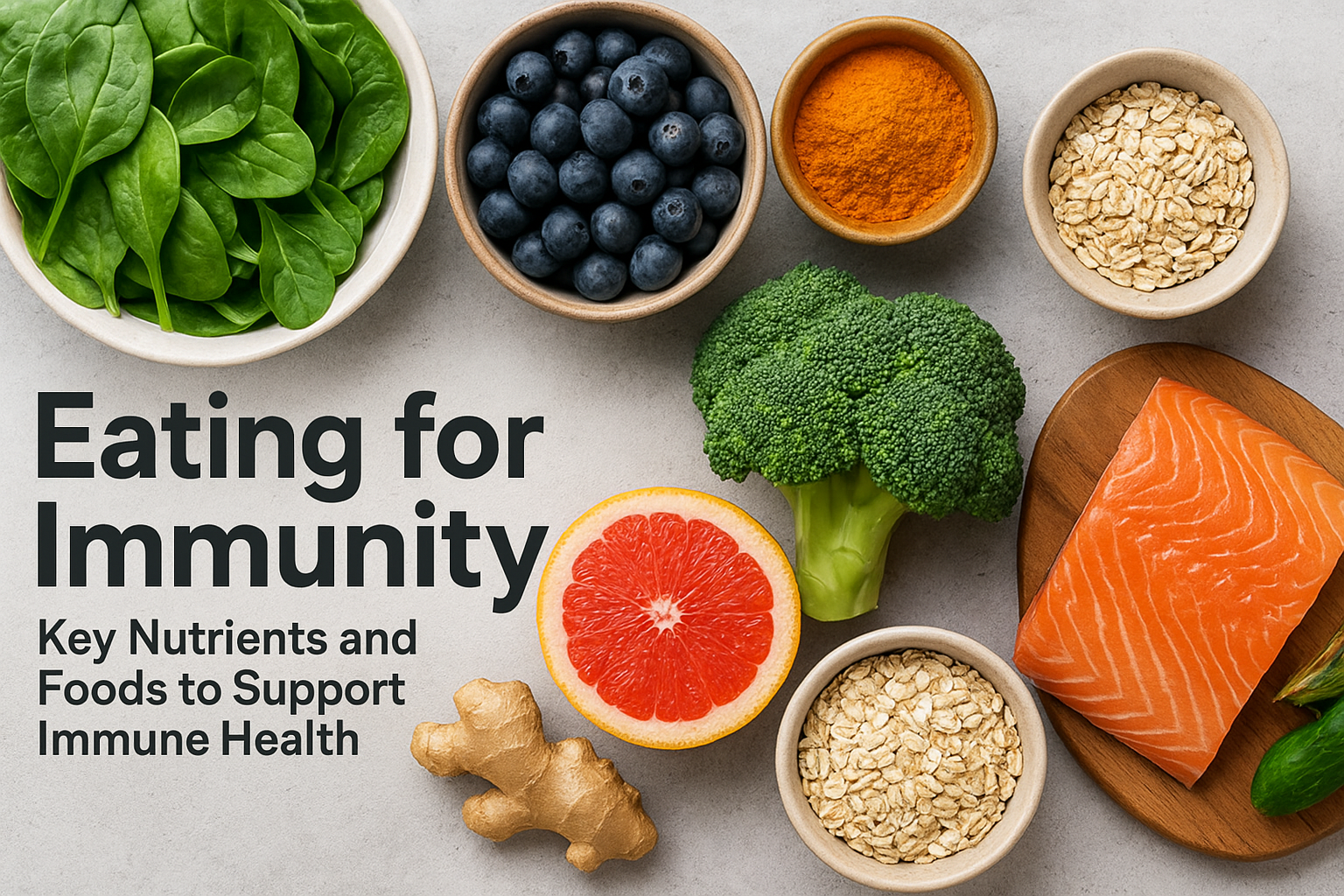
Eating for immunity: key nutrients and foods to support immune health
April 14, 2026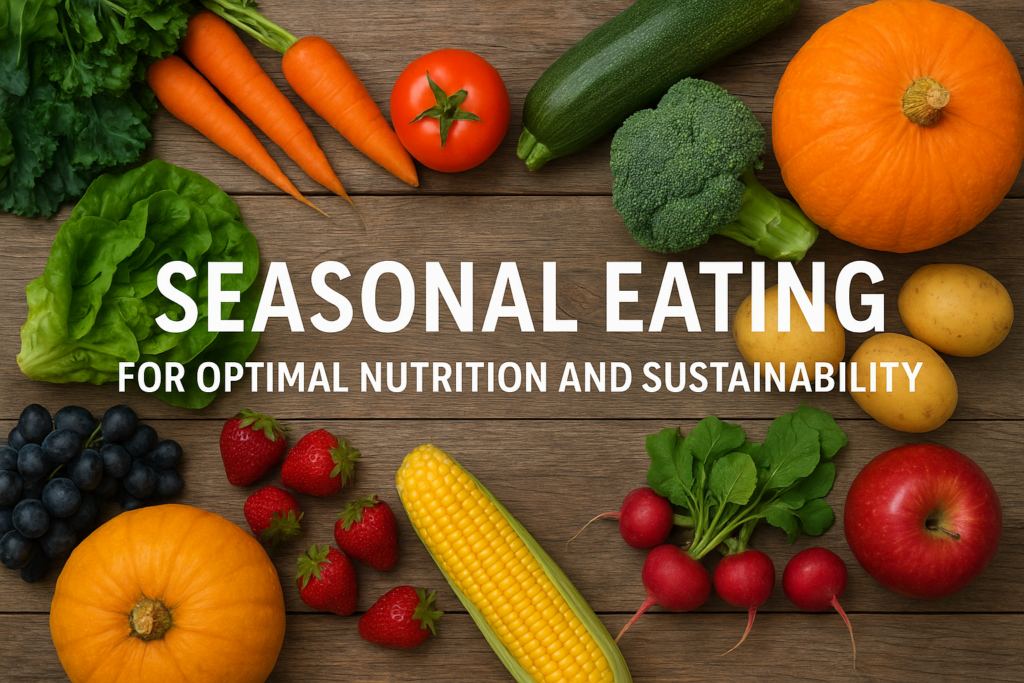
Seasonal eating aligns nourishment with the natural rhythms of the year and the region where you live. When you choose foods at their peak harvest, you often get better flavor, higher nutrient content, and a smaller environmental footprint. This approach supports both personal health and a resilient food system.
What seasonal eating means
Seasonal eating means predominantly choosing fruits, vegetables, grains, and even animal products that are harvested or produced at their natural peak in your area. It doesn’t require perfection every day, but it encourages a shift away from relying on long-distance imports that travel far and may be harvested before peak ripeness. Local, in-season foods tend to be fresher, more flavorful, and better aligned with the local climate and biodiversity. Over the year, a seasonally varied diet also promotes a wider range of nutrients and beneficial plant compounds.
Nutritional advantages of eating in season
– Peak nutrient levels: Many produce items reach their maximum nutrient content when harvested at peak ripeness. Vitamins, minerals, antioxidants, and phytochemicals can be higher in fresh, in-season produce.
– Better fiber and bioavailability: Whole, locally grown foods often retain more fiber and other beneficial components, supporting gut health and satiety.
– Flavor-driven choices: When produce is in season, it tastes sweeter and more vibrant, which can encourage greater fruit and vegetable intake and healthier eating patterns.
– Variety supports the microbiome: A rotating seasonal menu introduces diverse plant compounds and textures, which can benefit gut microbiota.
Sustainability benefits
– Reduced food miles and emissions: Local, seasonal foods typically require less transportation and storage, lowering carbon footprints.
– Lower packaging and waste: In-season local foods often come with less packaging and can be bought in bulk or loose forms.
– Biodiversity support: Seasonal produce reflects a wider range of crops over the year, encouraging agricultural biodiversity and resilience.
– Economic resilience: Buying from local farmers and farmers markets supports regional farming communities and helps stabilize local food systems.
Practical steps to eat seasonally
1) Learn your regional seasons
– Look up a local seasonal calendar or ask farmers at your farmers market. Seasons differ by latitude, altitude, and microclimate, so a calendar for your region is more helpful than a national chart.
– Consider joining a community-supported agriculture (CSA) program or shopping at a nearby farmers market to access in-season items directly from growers.
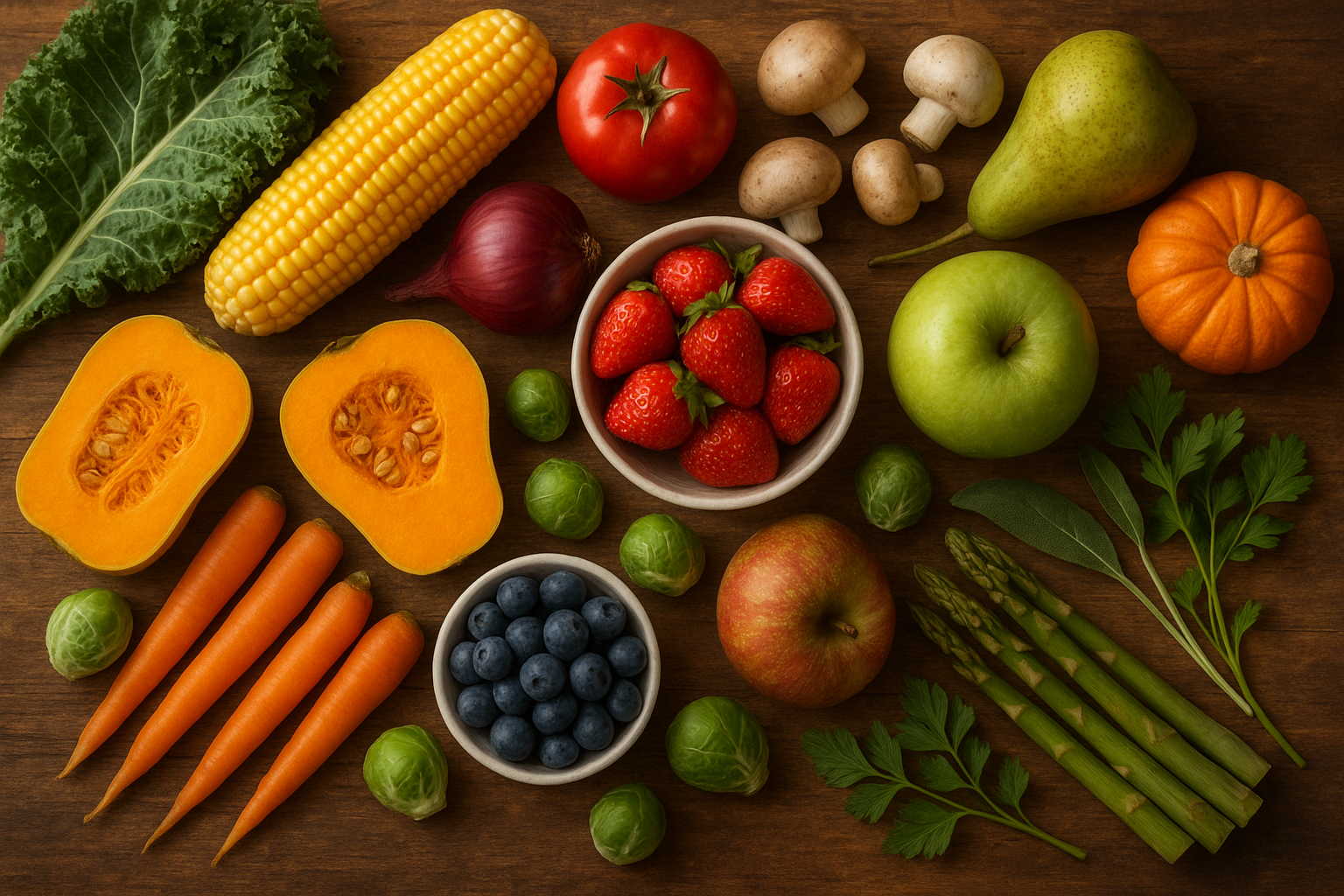
2) Plan meals around what's abundant
– Build weekly menus around in-season staples and then fill in with pantry staples, proteins, and grains.
– Create a simple “seasonal map” for your week: identify 2–3 vegetables or fruits that are at peak and craft meals around them (e.g., spring greens with legumes, autumn squash with whole grains).
3) Preserve excess harvests
– Freezing: Blanch and freeze leafy greens, berries, and herbs to extend their life with minimal nutrient loss.
– Canning, pickling, and drying: Preserve tomatoes, peaches, cucumbers, and apples to enjoy through the off-season while retaining flavor.
– Fermentation: Quick ferments can add flavor and probiotics while using seasonal produce.
4) Shop smart and store well
– Choose produce that looks vibrant and smells fresh. Taste-test when possible to assess ripeness and flavor.
– Store long-lived root vegetables (potatoes, carrots, onions) in a cool, dark place; refrigerate leafy greens and herbs to extend freshness; keep berries and stone fruit refrigerated but let them come to room temperature before eating to maximize flavor.
– Practice first-in, first-out (FIFO) to minimize waste.
5) Cook to preserve nutrients and taste
– Lightly cook cruciferous vegetables (e.g., broccoli, kale) to preserve color and nutrient content; use quick steaming, sautéing, or roasting to concentrate flavors.
– Favor raw preparations for delicate greens and herbs when appropriate, or smoothies and salads to preserve vitamin C and polyphenols.
– Pair vegetables with healthy fats (olive oil, avocado, nuts) to aid nutrient absorption, such as carotenoids from carrots and tomatoes.
6) Reduce waste and recycle nutrients
– Use leftovers creatively: stems, leaves, and cores can become broths, pesto bases, or soups.
– Compost kitchen scraps to close the loop in your own garden or community composting program.
– Plan for seasonal abundance: if you have a bumper harvest, preserve or freeze portions for use in the winter.
Seasonal highlights by season (regional variations apply)
Spring
– Common in-season items: leafy greens (spinach, lettuce, arugula), asparagus, peas, radishes, mange-tout, scallions, herbs.
– Quick, bright meals: green salads with peas and herbs; roasted asparagus with lemon and olive oil; pea and mint soup.
Summer
– Common in-season items: tomatoes, peppers, cucumbers, zucchini, corn, berries, stone fruits, melons, basil.
– Flavor-forward meals: tomato-basil salad with mozzarella, grilled veggies with a drizzle of olive oil, fruit salads or grilled peach skewers.
Autumn
– Common in-season items: squash (pumpkin, butternut, acorn), apples, pears, sweet potatoes, mushrooms, root vegetables, leafy greens.
– Comforting dishes: roasted squash with herbs; vegetable stews; apples baked with oats and cinnamon.
Winter
– Common in-season items: hardy greens (kale, collards, cabbage), onions, garlic, carrots, potatoes, Brussels sprouts, citrus in warmer regions, stored root crops.
– Hearty meals: root vegetable roasts; cabbage soup; citrus and bean salads for brightness.
Tips for different living situations
– In urban environments with limited access to local fields, prioritize nearby farmers markets, urban farms, or CSAs. Even in cities, you can often find seasonal produce and should aim to source locally when possible.
– If you live in a climate with a short growing season, rely on preservation techniques to bridge the gap, and plan for a longer stretch of seasonal options as crops come in.
– In warmer climates with year-round produce, focus on peak local items and still rotate through a broad palette of colors and textures to maximize nutrient intake and enjoyment.
A quick, practical seven-day starter plan (sample framework)
– Day 1: Leafy greens with a lemon-tue olive oil dressing, roasted root vegetables, and a protein source.
– Day 2: Tomato, cucumber, and herb salad with grilled fish or beans; fresh fruit for dessert.
– Day 3: Stir-fry using in-season greens, peppers, and mushrooms over whole grains.
– Day 4: Roasted squash or pumpkin with chickpeas and a tahini-lemon dressing.
– Day 5: Berries with yogurt and a sprinkle of nuts.
– Day 6: Green soup or broth with greens, herbs, and a barley or quinoa base.
– Day 7: Fruit compote or baked apples with oats and cinnamon as a lighter, comforting finish.
Measuring impact and staying motivated
– Track how you feel: energy levels, digestion, and mood can reflect how well you’re meeting your nutritional needs through seasonal choices.
– Notice flavor and enjoyment: foods that are in season often taste better, which can reinforce healthy eating habits.
– Balance and flexibility: allow occasional indulgences or non-seasonal favorites to maintain long-term adherence and enjoyment.
Seasonal eating connects nutrition with environmental stewardship, reduces waste, supports local communities, and tends to yield the best flavor and nutrient quality. By planning around seasonal calendars, learning to preserve abundance, and prioritizing fresh, local foods, you can build a sustainable, enjoyable, and nutritious eating pattern that evolves with the year and your region. If you’d like, I can tailor a season-by-season calendar for your specific city or climate and suggest a personalized eight-week meal plan.
