
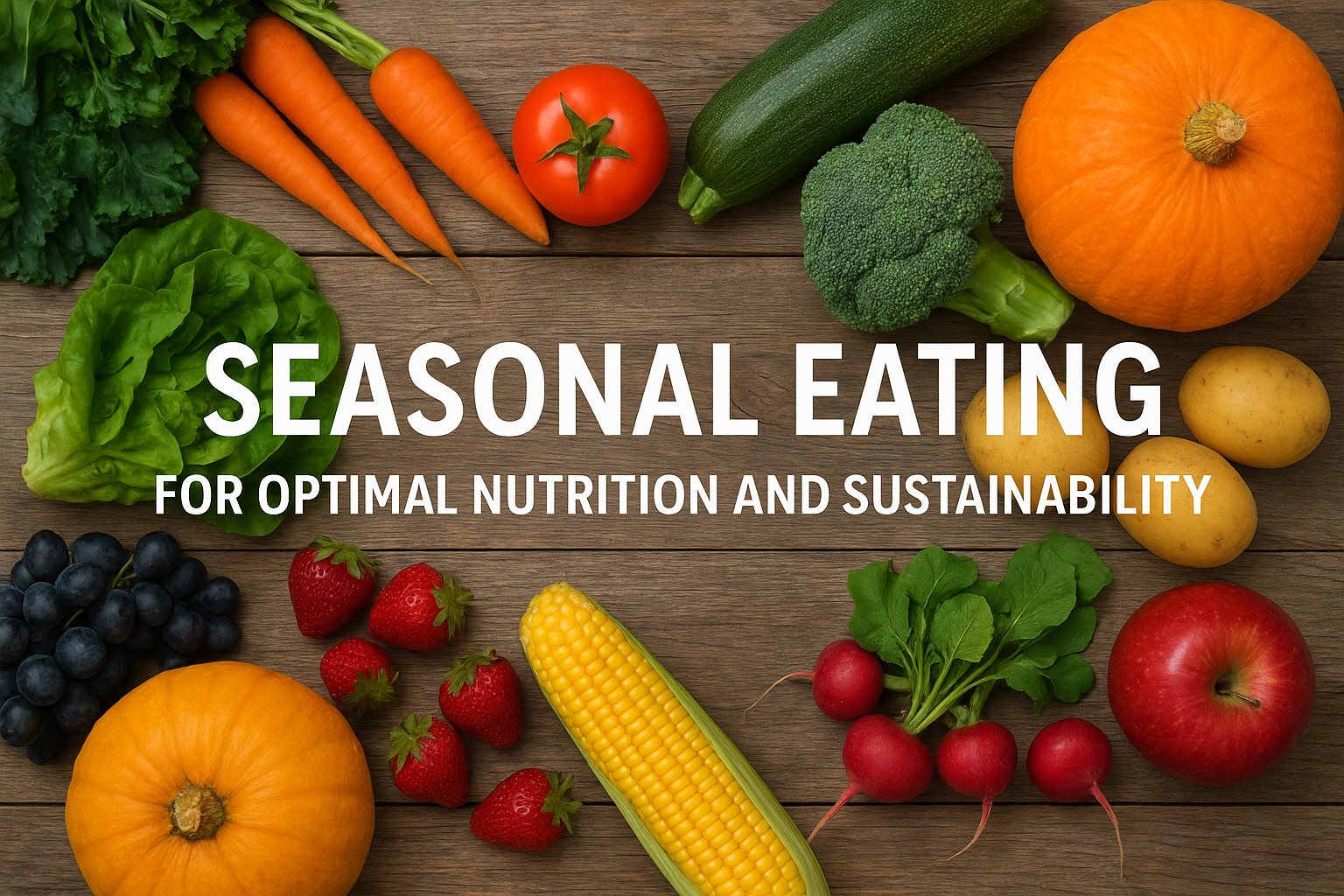
Seasonal eating for optimal nutrition and sustainability
April 14, 2026Taking This Vitamin for 3 Months May Help Reset Immune System in Some People, Scientists Say – AOL.com
April 15, 2026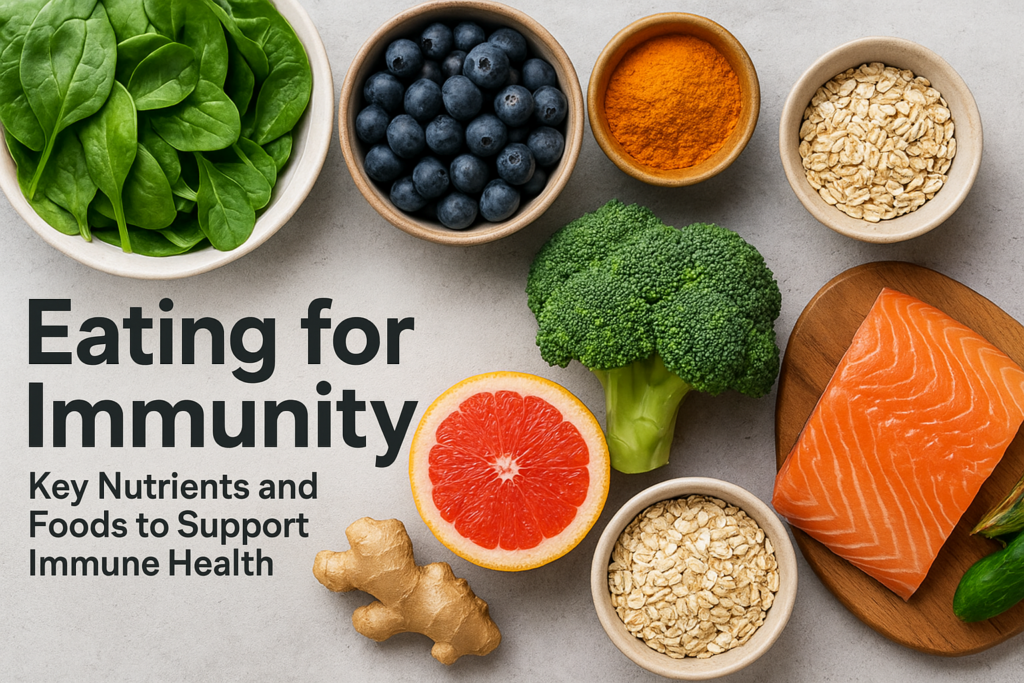
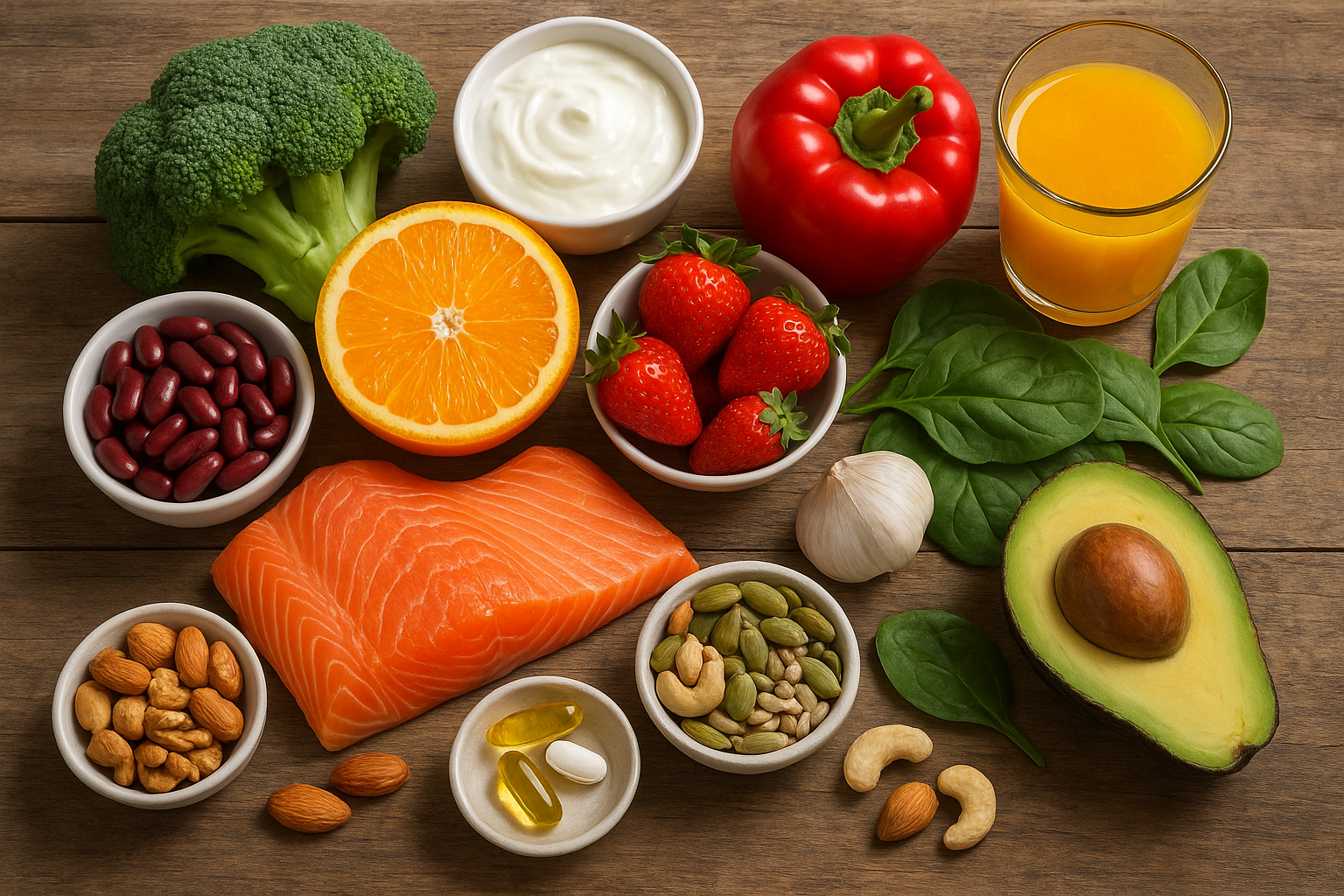
Eating for immunity means focusing on nutrient-dense foods that help support the immune system’s defenses and the gut barrier, while also maintaining overall healthy habits like adequate sleep, regular activity, and stress management. A pattern built around variety, balance, and whole foods tends to be most effective, rather than relying on any single “immune-boosting” magic ingredient.
Key nutrients that support immune health
– Vitamin C: Supports immune cell function and antioxidant protection. Sources include citrus fruits (oranges, grapefruits, mandarins), berries, kiwi, bell peppers, broccoli, and leafy greens.
– Vitamin D: Helps regulate immune responses and may reduce the risk of some infections. Sun exposure contributes, but dietary sources are important in many climates: fatty fish (salmon, mackerel, sardines), fortified dairy or plant-based milks, fortified cereals, and mushrooms treated with UV light.
– Zinc: Essential for immune cell development and function. Found in oysters and other seafood, red meat, poultry, beans, nuts, seeds, and whole grains.
– Selenium: Supports antioxidant defenses and immune function. Good sources include Brazil nuts (a small amount goes a long way), seafood, meat, eggs, and whole grains.
– Iron: Critical for immune cell proliferation and oxygen transport. Red meat, poultry, fish, legumes, leafy greens, and fortified cereals provide iron (pair non-heme iron foods with vitamin C sources to improve absorption).
– Vitamin A and carotenoids: Help maintain the skin and mucosal barriers, which act as a first line of defense. Found in liver, can be found in colorful fruits and vegetables such as carrots, sweet potatoes, spinach, kale, and red/orange peppers.
– B vitamins: Play a role in energy production and immune cell function. Sources include whole grains, dairy, eggs, lean meats, legumes, and leafy greens.
– Omega-3 fatty acids: Help modulate inflammation and support immune health. Found in fatty fish (salmon, sardines, herring), flaxseeds, chia seeds, walnuts, and hemp seeds; algae-based options are available for vegetarians/vegans.
– Fiber and probiotics: A healthy gut microbiome supports immunity. Include yogurt or kefir with live cultures, fermented foods (sauerkraut, kimchi, miso, tempeh), and high-fiber plant foods (beans, lentils, oats, vegetables, fruits). Prebiotic foods (onions, garlic, leeks, asparagus, bananas, oats) feed beneficial gut bacteria.
– Antioxidants and polyphenols: A colorful plate provides many of these compounds that help reduce oxidative stress and support immune cells. Fill your plate with a variety of fruits, vegetables, herbs (like turmeric and ginger), nuts, and whole grains.
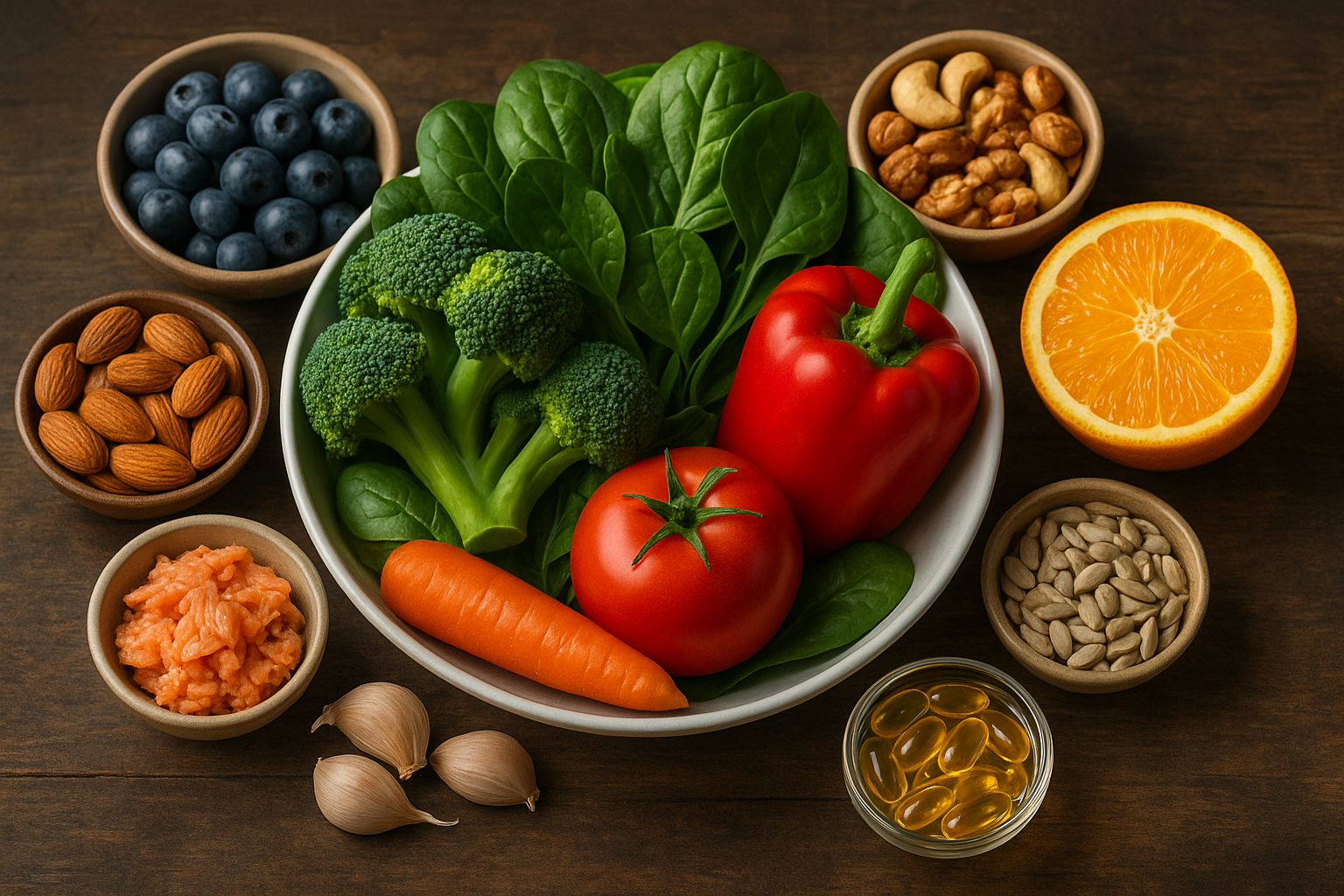
Foods to include regularly
– Citrus fruits and berries; kiwis and papayas for vitamin C.
– Leafy greens, broccoli, peppers, sweet potatoes for vitamin A, beta-carotene, and folate.
– Fatty fish a few times per week for vitamin D and omega-3s.
– Lean meat, seafood, eggs, beans, lentils, and fortified cereals for iron and zinc.
– Nuts and seeds (especially sunflower, pumpkin, and Brazil nuts in small amounts) for minerals and healthy fats.
– Yogurt, kefir, sauerkraut, kimchi, miso, and tempeh for probiotics and gut health.
– Whole grains, oats, quinoa, and legumes for fiber and B vitamins.
– Spices and herbs like garlic, ginger, and turmeric for flavor and potential anti-inflammatory benefits.
Practical tips for everyday eating
– Aim for balanced meals at regular intervals. Include protein, healthy fats, and fiber at each meal.
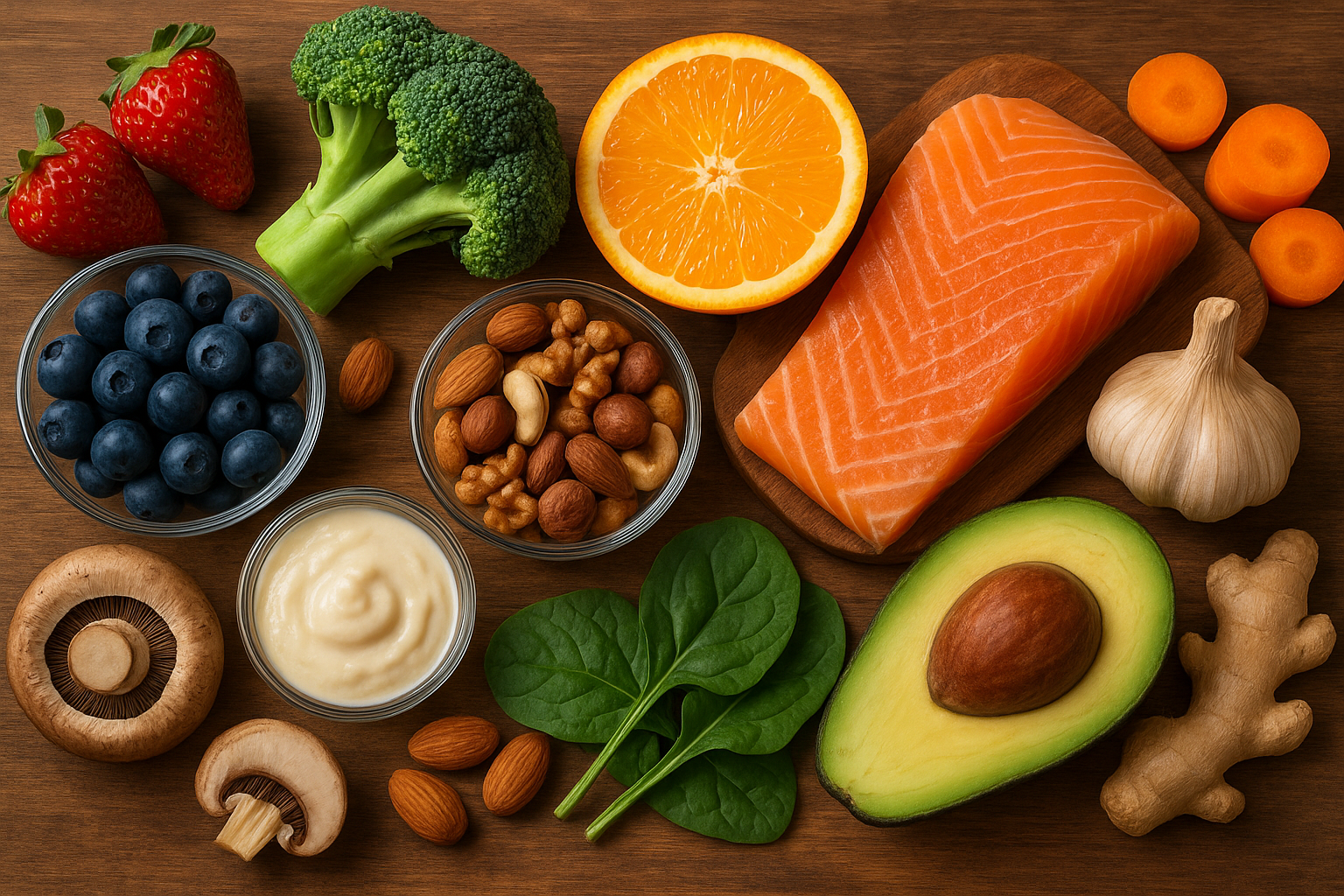
– Eat the rainbow. A wide variety of colorful fruits and vegetables helps ensure a broad range of nutrients and phytochemicals.
– Pair non-heme iron foods with vitamin C sources to boost absorption (e.g., spinach salad with bell peppers and citrus vinaigrette).
– Include probiotic foods or yogurt several times a week to support gut microbiota.
– Consider healthy substitutes if you don’t eat animal products: fatty fish alternatives include algae-based omega-3 supplements; combine iron-rich plant foods with vitamin C sources to improve absorption.
– Hydrate adequately with water, and enjoy herbal teas as part of your fluid intake.
Supplements: use with caution
– Most people can meet nutrient needs through a balanced diet. Supplements can help in cases of confirmed deficiencies or specific risk factors, but megadoses can cause harm (for example, high-dose vitamin C can cause GI upset, and excessive zinc can interfere with copper absorption and immune function).
– Vitamin D supplementation may be appropriate for people with low blood levels or limited sun exposure, especially in winter or higher latitudes. Discuss dosing with a healthcare provider.
– If you consider supplements, avoid exceeding recommended daily allowances without medical guidance and prioritize obtaining nutrients from foods first.
Special considerations
– Food safety and storage matter. Keep perishable items refrigerated, wash produce, cook animal products to safe temperatures, and store leftovers properly.
– Individual needs vary. Pregnant people, children, older adults, those with chronic illnesses, or people on certain medications may have specific nutrient needs or interactions. When in doubt, consult a healthcare professional or registered dietitian.
– Immunity is multifactorial. Adequate sleep, regular physical activity, stress management, vaccination when appropriate, and avoiding smoking all support immune health alongside good nutrition.
A simple one-day example
– Breakfast: Greek yogurt with mixed berries, chia seeds, and a drizzle of honey; a glass of fortified plant-based milk.
– Snack: A small handful of almonds and an orange.
– Lunch: Quinoa and chickpea salad with leafy greens, bell peppers, tomatoes, olive oil, and lemon vinaigrette; a side of steamed broccoli.
– Snack: Carrot sticks with hummus; a kiwi.
– Dinner: Baked salmon with roasted sweet potatoes and sautéed spinach; a side of sauerkraut.
– Beverage options: water, herbal tea, and, if desired, a glass of fortified dairy or plant-based milk.
Bottom line
Nourishing immune health comes from a varied, nutrient-dense eating pattern that emphasizes protein, fiber, healthy fats, and a wide range of vitamins and minerals. Combine that with a healthy lifestyle, and you’re supporting your immune system in a well-rounded way. If you’re considering supplements or have specific health concerns, consult a healthcare professional for personalized guidance.
