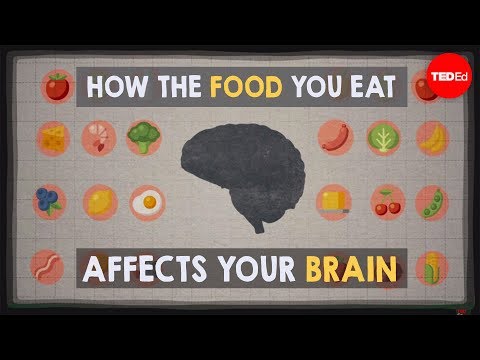
The intricate relationship between the food we consume and the functioning of our brain is a fascinating subject that reveals how our dietary choices influence our mental processes and overall brain health. Nutrition expert Mia Nacamulli offers comprehensive insights into how our diet affects our brain, emphasizing the complexity of our brain’s nutritional needs and the profound impact of certain foods on our cognitive functions, mood, and neural health.
### The Brain’s Nutritional Demands
The human brain is an energy-intensive organ, making up only about 2% of our body weight but consuming roughly 20% of our energy intake. This high demand for energy underscores the importance of the quality and type of calories we feed our brain. Glucose is the brain’s primary source of fuel, but it’s not just about quantity; the quality of glucose matters significantly. Complex carbohydrates, such as those found in whole grains, fruits, and vegetables, release glucose gradually, which helps to maintain optimal brain function. In contrast, simple sugars can lead to spikes and crashes in blood sugar levels, which can impair cognitive functions such as memory and attention.
### Essential Nutrients for the Brain
Beyond energy, the brain requires specific nutrients for its optimal function:
– **Omega-3 Fatty Acids**: These are crucial for brain health, particularly one type known as DHA, which is vital for the maintenance of brain structure and function. High levels of Omega-3s are found in fish, such as salmon and sardines, and they play a role in enhancing learning, memory, and emotional health.
– **Antioxidants**: Vitamins C and E, and flavonoids found in berries, act as antioxidants that protect the brain against oxidative stress. This form of stress occurs when free radicals produced during normal metabolic processes outnumber the body’s antioxidants, potentially leading to premature aging and neurodegenerative diseases.
– **Amino Acids**: Proteins in our diet, broken down into amino acids, influence how we feel and behave. For instance, tryptophan is a precursor to serotonin, a neurotransmitter that promotes feelings of well-being and happiness.
### The Gut-Brain Axis
Mia Nacamulli also points out the significant role of the gut-brain axis in mental health. The gut microbiome, which consists of trillions of bacteria, not only helps digest food but also sends chemical messages to the brain. Consuming a diet rich in fiber, such as vegetables, fruits, and legumes, supports the growth of healthy bacteria in the gut, which in turn can improve mood regulation and cognitive functions.
### The Impact of Diet on Cognitive Function and Mood
Research has shown that diets high in refined sugars and unhealthy fats can impair brain functions. Conversely, diets such as the Mediterranean diet, which is rich in vegetables, fruits, unprocessed grains, fish, olive oil, and limited amounts of animal products, have been associated with a lower risk of cognitive decline and depression.
### Conclusion
Mia Nacamulli’s exploration into the nexus between diet and brain function highlights the capability of food to act as medicine or poison. Our choice to nourish our brain with beneficial foods can support cognitive function, mood regulation, and overall brain health, while poor dietary choices can impede mental capacity. Understanding the nutritional needs of our brain encourages us to make mindful eating choices, presenting an opportunity not just to enhance brain function but also to mitigate the risks of brain-related diseases. The adage “you are what you eat” holds profound truths, especially when considering the delicate powerhouse that is the human brain.
Leave a Reply