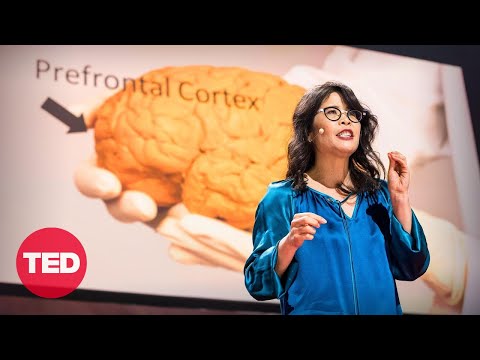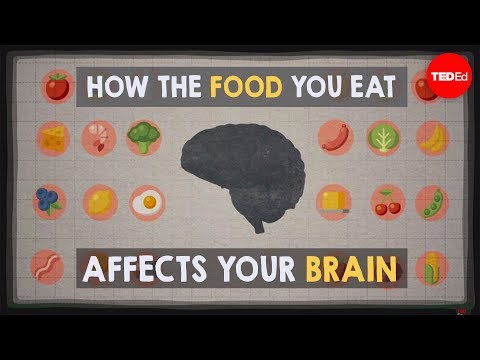
When it comes to keeping your body in good shape, the food you eat plays an essential role. However, the impact of diet extends beyond physical health—it also has profound impacts on your brain function. Mia Nacamulli, in her enlightening discussions on nutrition and brain health, sheds light on how the foods we consume influence our cognitive capabilities, mood, and overall mental health.
## Nutrients and Neurological Function
Mia Nacamulli points out that our brains are always active. Managing thoughts, movements, and sensations, while also controlling numerous involuntary aspects of our physiology, like breathing patterns and metabolic processes, requires an enormous amount of energy. Approximately 20% of the body’s total energy is consumed by the brain. This energy primarily comes from the carbohydrates we consume. However, the type of carbs matters significantly: complex carbohydrates (like those in whole grains and vegetables) supply a steady stream of energy, whereas simple sugars can cause spikes and crashes that have detrimental effects on brain function.
Furthermore, proteins and their amino acid constituents are pivotal in the synthesis of neurotransmitters, the chemical messengers that play a crucial role in cognitive function and mood regulation. For instance, tryptophan is an amino acid that is converted into serotonin, a neurotransmitter that fosters feelings of well-being and happiness.
## Fats and Your Brain
Fats are not something to be avoided; in fact, they are essential. Mia Nacamulli highlights that the human brain is nearly 60% fat, and fatty acids are among the most crucial molecules that determine your brain’s integrity and ability to perform. Essential fatty acids (EFAs) such as omega-3 and omega-6 are required for the maintenance of brain health. Omega-3 acids, for instance, help build and repair brain cells, and are also instrumental in reducing brain inflammation, which can be linked to cognitive decline.
## Antioxidants and Brain Aging
Antioxidants play a protective role for the brain. Excessive oxidative stress can accelerate the aging process of the brain and degrade cognitive functions. Mia discusses the benefits of vibrant, deeply colored fruits and vegetables which are loaded with antioxidants. These compounds help combat the deterioration of brain cells due to oxidative stress and can improve memory and cognition.
## Hydration and Cognitive Performance
Mia Nacamulli also emphasizes the importance of staying hydrated. The brain is about 75% water and being even slightly dehydrated can reduce cognitive function. This can lead to problems with focus, memory, and reasoning abilities. Ensuring adequate hydration is an easy way to enhance brain performance.
## Practical Advice on Diet for Brain Health
Based on Mia Nacamulli’s insights, for optimal brain function, an individual’s diet should be rich in complex carbohydrates, sufficient proteins, healthy fats, antioxidants, and plenty of water. Not just any food, but the right food can be the key to a sharper, smarter, and more resilient brain.
In conclusion, the relationship between diet and brain health is intricate and compelling. Making informed choices about your diet can help sustain not only your physical health but also protect and enhance your mental faculties. Just as the body needs quality fuel to run efficiently, so does the brain, perhaps even more so, given its demanding energy and nutrient requirements.