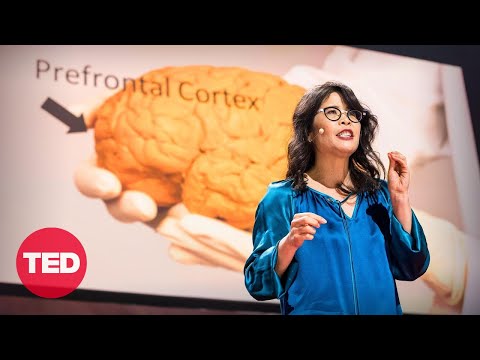
Engaging in physical activity is commonly praised for its extensive positive effects on the human body. However, Wendy Suzuki, a renowned professor of neural science and psychology, offers a deeper insight into how exercise profoundly transforms our brains, enhancing cognitive abilities and emotional resilience. Her TED Talk, ‘The Brain-Changing Benefits of Exercise,’ sheds light on the underlying neurological mechanisms and encourages viewers to adopt an active lifestyle for mental, emotional, and neurological health benefits.
**Cognitive Enhancement through Exercise:**
Wendy Suzuki begins her discussion by highlighting how routine physical activity contributes significantly to key areas of the brain, including the prefrontal cortex and the hippocampus. These regions are critical for our cognitive functions, such as long-term planning, concentration, and memory formation. Suzuki explains that exercise induces the production of new brain cells in the hippocampus—an area deeply involved in learning and memory—thereby improving our capacity to retain information. The ability to grow new brain cells, a process known as neurogenesis, not only enhances memory capacity but also elevates the overall cognitive function.
**Mood Improvement and Reduction of Stress:**
Exercise is also a powerful antidote to stress, anxiety, and depression. Suzuki delves into the brain’s release of neurotransmitters such as serotonin, dopamine, and noradrenaline during physical activity. These chemicals play an essential role in heightening feelings of happiness and well-being while dampening anxiety and stress. Regular engagement in exercise leads to the long-term stabilization of these neurotransmitters, thereby providing a sustained mood lift and resilience against mental health disorders.
**Protective Effects Against Brain Aging and Neurodegenerative Diseases:**
One of the most compelling points Suzuki brings forth is the protective benefits of exercise against age-related decline and neurodegenerative diseases such as Alzheimer’s and dementia. As we age, our brain’s structure and functionality typically deteriorate, but exercise can mitigate some of these effects. It enhances blood flow to the brain, which increases oxygenation and the delivery of nutrients necessary for brain health. Additionally, exercise stimulates the production of a protein known as brain-derived neurotrophic factor (BDNF), which acts as a crucial element in the survival, growth, and maintenance of neurons, thus providing a buffer against cognitive decline.
**Recommendations for Incorporating Exercise Into Daily Life:**
Wendy Suzuki doesn’t just leave her audience with facts and findings; she also provides practical advice on integrating exercise into daily routines to harness these benefits. She suggests starting with simple activities like walking or cycling and gradually incorporating more vigorous exercises like running or aerobics. The key is consistency and ensuring that exercise becomes a regular part of one’s lifestyle.
**Conclusion:**
Wendy Suzuki’s TED Talk serves not only as a motivational speech but as a call to action for embracing a physically active lifestyle to foster brain health. The brain-changing benefits of exercise expand beyond physical health, offering substantial improvements in cognitive function, emotional stability, and neurological resilience. Her compelling presentation encourages everyone to view exercise not just as an option but as an indispensable part of our daily life to enrich both mind and body.