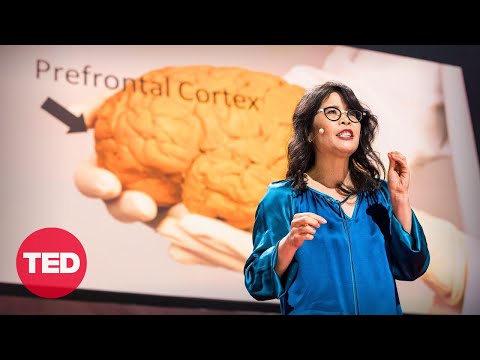
Suzuki starts by sharing her personal journey with exercise. Initially drawn to it for its physical benefits, such as weight loss and fitness, she eventually discovered its profound impacts on the brain. This led her to pivot her research focus towards understanding the brain’s response to physical activity.
The central theme of Suzuki’s talk is the transformative power of exercise on the brain. One of the key benefits she highlights is the improvement of mood. Exercise leads to the release of neurotransmitters like dopamine, serotonin, and noradrenaline, which are crucial for mood regulation. This is why, Suzuki explains, people often feel more serene and optimistic after working out.
Moreover, Suzuki emphasizes that exercise has protective effects on the brain, particularly in relation to the prefrontal cortex and the hippocampus—areas essential for thinking and memory. The prefrontal cortex is responsible for decision-making, focus, and attention, while the hippocampus plays a significant role in forming and retaining new long-term memories. Regular physical activity boosts the size and health of these critical brain areas, thus safeguarding and enhancing cognitive functions.
Another profound insight from Suzuki’s research is that exercise can act as a supercharged “bubble bath” for the brain. This metaphor illustrates not just the cleansing action, in terms of removing stress and rejuvenating the mind, but also highlights how exercise contributes to the production of new brain cells, particularly in the hippocampus. This process of neurogenesis is crucial in enhancing learning capabilities and memory.
Suzuki’s talk is not just theoretical. She backs up her claims with scientific evidence and research studies that demonstrate the significant positive impact of exercise on the brain. Furthermore, she provides practical advice on how to incorporate more physical activity into daily life, emphasizing that even small changes can lead to substantial benefits.
In conclusion, Wendy Suzuki’s TED Talk “The Brain-Changing Benefits of Exercise” serves as a powerful reminder of the cognitive benefits of regular physical activity. Not only does exercise refine and protect brain function, but it also acts as a potent tool for improving mental health and well-being. Whether for enhancing mood, boosting memory, or improving focus, Suzuki’s insights offer compelling reasons to prioritize exercise in our daily routines.
Leave a Reply