Health and wellness are inseparable ideas that describe how we feel in body, mind, and daily life. They go beyond simply avoiding illness to encompass vitality, resilience, energy, and a sense of balance. Because wellness is influenced by many factors—sleep, nutrition, movement, stress, relationships, and environment—it’s best approached as a lifetime practice rather than a one-time fix.
Foundations of physical health
A solid base of physical health supports every other aspect of well-being. Key elements include regular movement, nourishing nutrition, adequate sleep, and proper hydration.
– Movement: Most adults benefit from about 150 minutes of moderate-intensity aerobic activity weekly, plus two days of strength training. This can be split into shorter bouts (for example, 30 minutes most days) and adjusted to fit your fitness level and preferences. Even light activity—short walks, stairs instead of elevators, standing breaks—adds up over time.
– Nutrition: Emphasize variety and balance. Focus on whole foods: fruits, vegetables, whole grains, lean proteins, healthy fats, and dairy or fortified alternatives as needed. Limit highly processed foods, added sugars, and overly saturated fats. A mindful approach to eating—slowing down, savoring meals, and recognizing hunger and fullness cues—helps longevity.
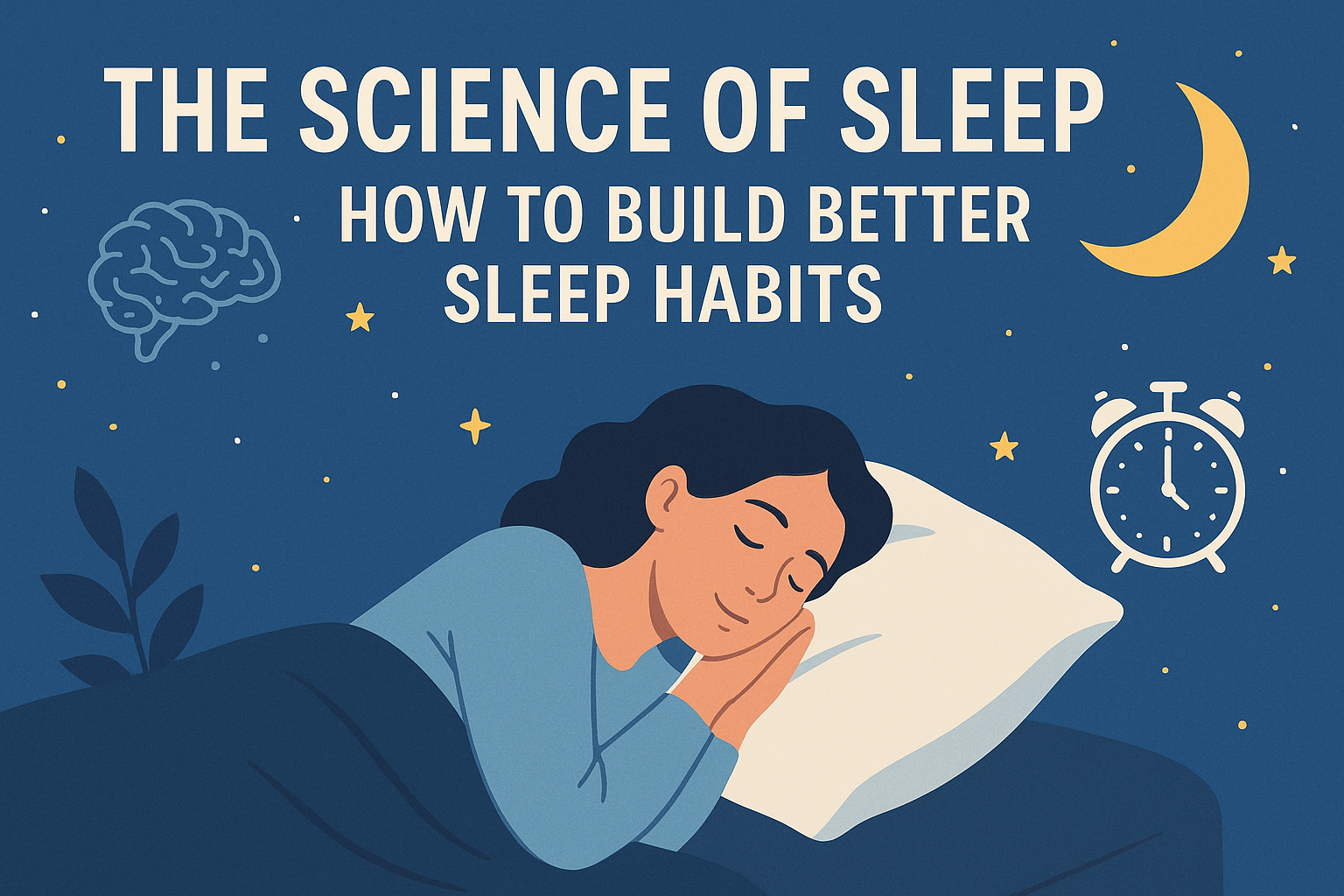
– Sleep: Most adults function best with 7 to 9 hours per night. Consistent bedtimes and wake times, a dark and quiet bedroom, and a wind-down routine support restorative sleep. Limit caffeine late in the day, and avoid screens for at least an hour before bed if possible.
– Hydration: Water needs vary by age, activity, climate, and health status. A practical approach is to drink regularly throughout the day and pay attention to thirst and urine color as a guide.
Mental and emotional wellness
Mental health is as integral as physical health. Stress is a normal part of life, but chronic stress can undermine well-being without effective strategies to cope.
– Stress management: Techniques such as mindful breathing, brief meditation, or progressive muscle relaxation can reduce sympathetic activation. Regular practices build resilience over time.
– Mindfulness and mood: Mindfulness—paying attention to the present moment with openness and curiosity—can improve focus, reduce rumination, and enhance emotional regulation. Journaling or reflective time can help process thoughts and feelings.
– Social connections: Relationships with family, friends, and communities provide support, perspective, and belonging. Regular social interaction, even in small doses, protects mental health.
– Professional support: If worry, sadness, or anxiety interfere with daily life for extended periods, seeking guidance from a mental health professional is a proactive step. Therapy, counseling, or medical evaluation can offer effective tools.
Preventive care and resilience
Preventive care is about staying ahead of problems and catching concerns early.
– Vaccinations and screenings: Stay up to date with vaccines appropriate for age and health. Routine health checkups and age-appropriate screenings help detect issues early when they’re most treatable.
– Dental and oral health: Regular dental visits support both oral and overall health, including connections to heart health and diabetes management.
– Hygiene and safety: Handwashing, safe food handling, safe sun exposure, and fall prevention strategies contribute to long-term well-being.
– Environment and toxin awareness: Minimize exposure to unnecessary toxins, manage allergens where possible, and create living spaces that feel restorative.
Habits for everyday wellness
Wellness is built from daily choices that compound over time. Small, sustainable changes beat grand but unsustainable overhauls.
– Start with one or two priorities: Pick a realistic goal, such as adding a 15-minute walk most days or swapping one ultra-processed snack for a whole-food alternative.
– Build routines: Tie new habits to existing ones (habit stacking), set reminders, and keep a simple log to observe progress.
– Move more, sit less: Break up long periods of sitting with short activity breaks; incorporate standing or light movement into routines.
– Plan and prepare: Simple meal planning reduces reliance on convenience foods and supports balanced nutrition.
– Listen to your body: Rest when needed, adjust intensity, and avoid pushing through persistent pain or fatigue.
Common myths about health and wellness
– Myth: More exercise is always better. Reality: Moderation and variety protect joints, prevent burnout, and improve adherence.
– Myth: Fat is always bad. Reality: The quality of fat matters—focus on unsaturated fats (like olive oil, nuts, seeds, avocados) and moderate portions of saturated fats.
– Myth: You must overhaul your lifestyle to see results. Reality: Small, consistent changes are more sustainable and often more effective long-term.
– Myth: If you’re not stressed, you’re not living. Reality: Some stress is normal, but chronic stress without coping strategies can be harmful. Balance includes rest and recovery.
– Myth: Diets are the path to lasting health. Reality: Sustainable eating patterns, not extreme diets, tend to work best for long-term wellness.
Putting it into practice
– Personalize your plan: Wellness looks different for everyone. Consider your goals, preferences, medical history, and daily realities.
– Set SMART goals: Specific, Measurable, Achievable, Relevant, Time-bound actions help translate intentions into progress.
– Track and adjust: A simple log of activities, meals, sleep, or mood can reveal patterns and inform tweaks.
– Seek support: Friends, family, or healthcare professionals can offer encouragement, accountability, and guidance.
– Be kind to yourself: Setbacks happen. The goal is steady progress, not perfect performance.
Conclusion
Health and wellness encompass more than the absence of disease. They reflect how we nourish our bodies, calm our minds, and cultivate supportive relationships and environments. By prioritizing balanced nutrition, regular movement, restorative sleep, effective stress management, preventive care, and a sense of community, you can build a resilient foundation for a vibrant life. Remember, small, sustainable steps—tailored to you—are the heart of lasting wellness. If you ever face persistent mental health concerns or medical questions, consult a qualified professional who can provide personalized guidance.