
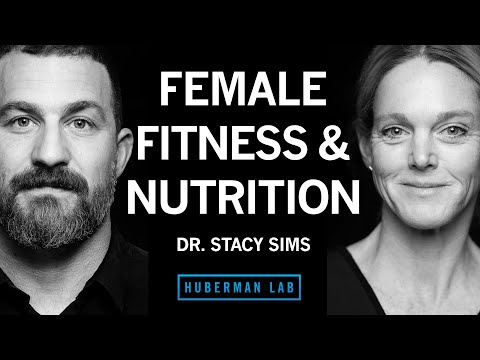
In the world of health and fitness, the unique physiological differences between men and women are often overlooked in mainstream science. Dr. Stacy Sims, an internationally recognized exercise physiologist and nutrition scientist, emphasizes the importance of gender-specific research in improving health outcomes. With her mantra “Women are not small men,” she brings to light the crucial differences that should guide the exercise and nutritional approaches women take toward their health, fitness, and overall longevity.
**Understanding the Physiological Differences**
Women’s bodies respond differently to exercise and stress due to hormonal fluctuations that can influence hydration, metabolism, and recovery needs. Menstrual cycles, menopause, and other hormonal changes can significantly impact performance, an area where Dr. Sims has focused much of her research. Her work argues that by acknowledging these differences, more effective and personalized training programs can be developed for women.
**Exercise Guidelines Tailored to Female Biology**
Dr. Sims stresses the importance of tailoring exercise routines to different stages of a woman’s hormonal cycle. For instance, during the luteal phase of the menstrual cycle when progesterone and estrogen are high, women may feel more fatigued and less capable of high-intensity workouts. During this phase, Dr. Sims recommends focusing on moderate activity and incorporating more recovery strategies.
Contrastingly, during the follicular phase, when estrogen is the dominant hormone, women often experience increased pain tolerance, strength, and stamina. This is an optimal time to push harder in training, focusing on strength and high-intensity workouts.
**Nutritional Needs for Optimal Performance and Health**
Nutrition plays a crucial role in achieving optimal physical performance and health. Dr. Sims highlights the importance of tailoring nutrition to exercise demands and hormonal fluctuations. Key considerations include:
1. **Hydration:** Women often have lower blood plasma volume than men, affecting their thermoregulation and sweat rates. Dr. Sims argues for more precise hydration strategies considering these factors, especially around the phases of the menstrual cycle that might impact fluid retention.
2. **Iron and Protein:** Due to menstrual blood losses and higher rates of iron deficiency, Dr. Sims recommends that women monitor their iron levels closely. Protein intake is also crucial, not just for recovery and performance, but also to aid in maintaining muscle mass, particularly as women age and face natural muscle decline.
3. **Calcium and Vitamin D:** To combat the risk of osteoporosis, higher intakes of calcium, and vitamin D are often suggested for women, especially those in post-menopausal stages.
**Longevity and Overall Health**
Beyond athletic performance, Dr. Sims’ recommendations are geared towards promoting long-term health and wellbeing. By understanding and adapting to the changes women’s bodies go through, strategies can be put in place to mitigate health risks associated with aging, such as heart disease, osteoporosis, and muscle atrophy.
Her approach moves away from the one-size-fits-all paradigm, offering instead a nuanced perspective that respects and responds to the dynamic nature of women’s physiology, enhancing not just athletic performance but also promoting longevity and quality of life.
**Conclusion**
The work of Dr. Stacy Sims is revolutionizing the way we approach female-specific fitness and nutrition. By advocating for research and practices that recognize biological differences, her insights help women optimize their health, performance, and longevity through scientifically informed strategies. For anyone looking to understand more about female health and fitness, Dr. Sims’ research provides a valuable foundation for exploring how nuanced, tailored approaches can lead to better overall health outcomes.