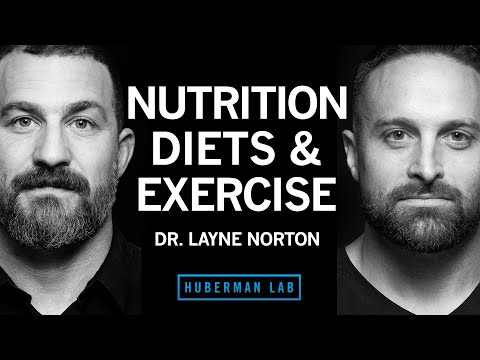
When it comes to understanding the intricacies of nutrition and its effects on fat loss, muscle gain, and overall health, Dr. Layne Norton is a prominent voice in the field. With a PhD in Nutritional Sciences and a background as a professional powerlifter, Norton combines scientific knowledge with practical experience. His approach to dieting, famously known as “flexible dieting”, emphasizes a balance between eating for pleasure and eating for performance and health.
**Understanding Macronutrients**
Central to Norton’s philosophy is an understanding of macronutrients (macros) – proteins, fats, and carbohydrates. He argues that for optimal health and body composition, one must not only count calories but also pay attention to where those calories come from. Proteins are crucial for muscle repair and growth, fats are vital for hormone production and cell health, and carbohydrates are important for energy. Norton stresses the importance of protein intake, especially when trying to lose fat without losing muscle. He recommends consuming a high level of protein – upwards of 1 gram per pound of body weight per day – to support muscle retention during caloric deficits.
**The Role of Metabolic Adaptation**
A significant part of Norton’s work involves metabolic adaptation, a phenomenon where the metabolism slows down in response to prolonged calorie restriction. This can make prolonged dieting and continued fat loss increasingly difficult. Norton’s approach to countering this includes strategic refeeds and diet breaks, where calorie intake is temporarily increased to ‘trick’ the body into speeding up the metabolism. This method aids in maintaining a higher metabolic rate and can make fat loss more sustainable.
**Flexible Dieting and Its Benefits**
Dr. Norton is perhaps best known for promoting flexible dieting, or “If It Fits Your Macros” (IIFYM). Unlike strict dieting regimes, flexible dieting allows individuals to eat a variety of foods – including those considered unhealthy – as long as their overall macronutrient and calorie needs are met. This approach not only makes dieting psychologically easier but also allows for a more adaptable and socially inclusive lifestyle. Norton argues that rigid diet plans often fail because they are too difficult to adhere to in the long term, making flexible dieting a practical solution for many.
**Psychological Considerations**
Beyond the numbers and scientific strategies, Dr. Norton places a strong emphasis on the psychological aspects of dieting. He recognizes the risk of eating disorders and the obsession that can come with strict dietary tracking. His advocacy for flexible dieting is partly rooted in its capacity to alleviate these mental strains. By allowing individuals to enjoy their favorite foods in moderation, the psychological burden of dieting is greatly reduced, potentially increasing the sustainability of a healthy lifestyle.
**Exercise and Nutrition Synergy**
Alongside his dietary guidelines, Dr. Norton emphasizes the importance of resistance training for achieving a lean, muscular physique. He points out that dieting alone can lead to muscle loss; hence, an adequate stimulus must be provided to the muscles to maintain and grow them. Norton’s dual approach of combining diet with effective exercise routines aligns with his overall goal of improving body composition and health.
**Conclusion**
Dr. Layne Norton’s teachings offer a balanced, sustainable approach to nutrition that emphasizes a deep understanding of biological processes, psychological health, and practical adaptability. His strategies for fat loss and muscle gain are rooted in science but tailored for real-life application, making him a sought-after expert in the field of nutrition and fitness. Whether you are a competitive athlete or someone looking to improve your diet, Norton’s principles provide a valuable foundation for making informed and effective choices about your health.
Leave a Reply