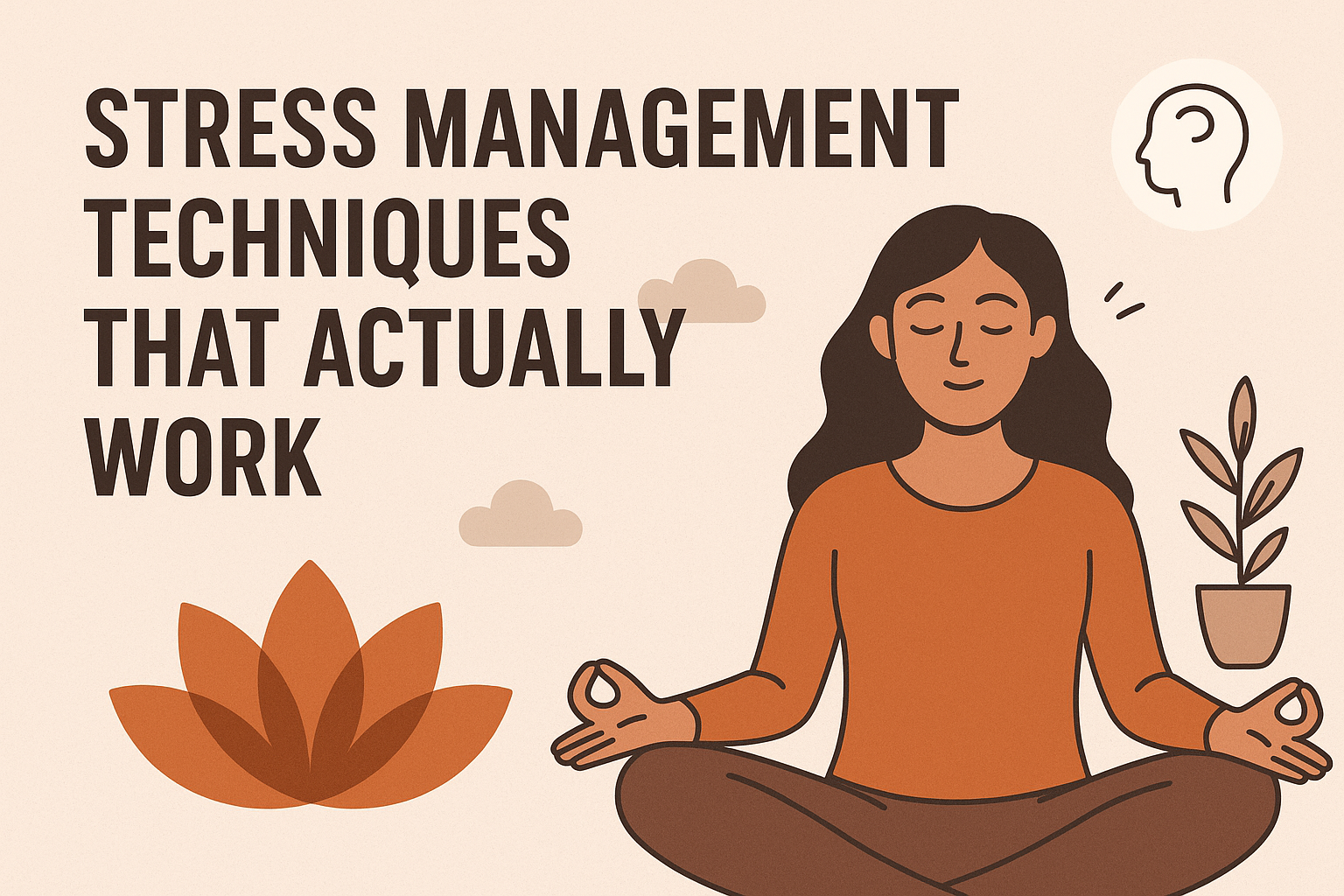
Stress is a constant for many people, but the way we respond matters. The techniques that actually work are those you can use regularly, don’t require special gear, and address the physical, mental, and lifestyle sides of stress. Below is a practical guide to evidence-based strategies you can put into practice today.
What makes a technique work
– Practical and repeatable: You can do it in a few minutes, anywhere, without special equipment.
– Evidence-based: It addresses both the body (calming the nervous system) and the mind (changing unhelpful thoughts or reactions).
– Sustainable: It fits into daily life, not a one-off drill.
– Adaptable: It combines with other approaches (exercise, sleep, social support) for a bigger effect.
Breathing and body-based techniques
– Diaphragmatic breathing: Lie down or sit tall. Place one hand on your chest and the other on your abdomen. Inhale through your nose for 4 counts, letting your abdomen rise more than your chest. Exhale through pursed lips for 6–8 counts. Do 5–10 minutes, several times a day or when you feel tense.
– Paced breathing (about 5–6 breaths per minute): Inhale for 5 seconds, exhale for 5 seconds. This slows the heart rate and activates the parasympathetic nervous system.
– Box breathing: Inhale 4 counts, hold 4, exhale 4, hold 4. Repeat 4–8 cycles. Helpful in moments of acute stress.
Progressive muscle relaxation
– How it works: Tense and relax muscle groups to release physical tension and increase body awareness.
– Quick version: Starting at your feet, tense each muscle group for 5 seconds, then release for 15–20 seconds before moving up the body (calves, thighs, glutes, abdomen, hands, arms, shoulders, neck, face). Do 10–15 minutes. Practice a few times a week, or during a stressful moment.
Mindfulness, acceptance, and awareness
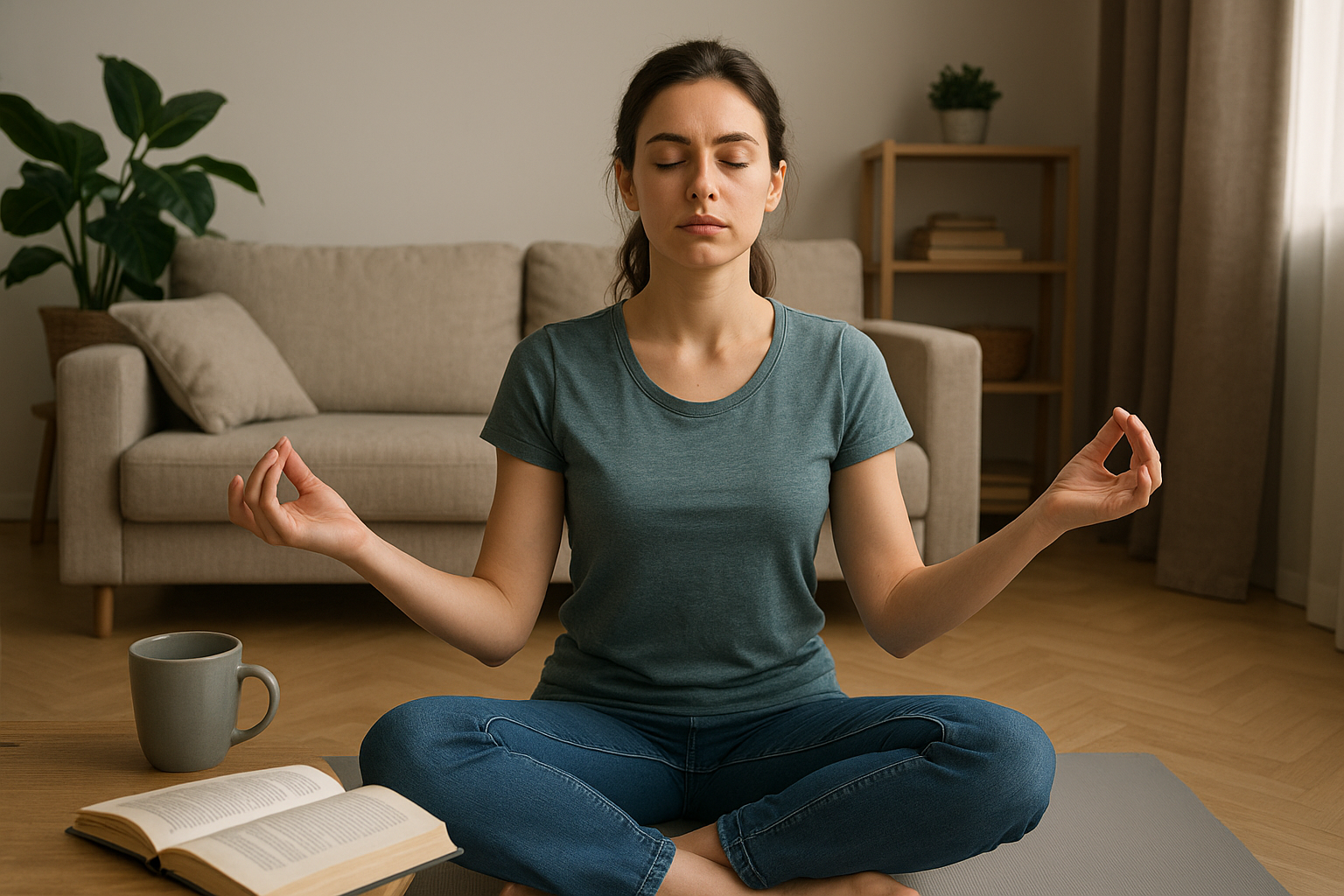
– Mindfulness meditation: Sit comfortably, focus on the breath, and notice when your mind wanders. Gently bring attention back to the breath. Start with 5–10 minutes daily and increase to 20 minutes as you feel comfortable.
– Body scan: Bring attention to different parts of the body, noticing tension, warmth, or relaxation without judging it. This helps interrupt automatic stress reactions.
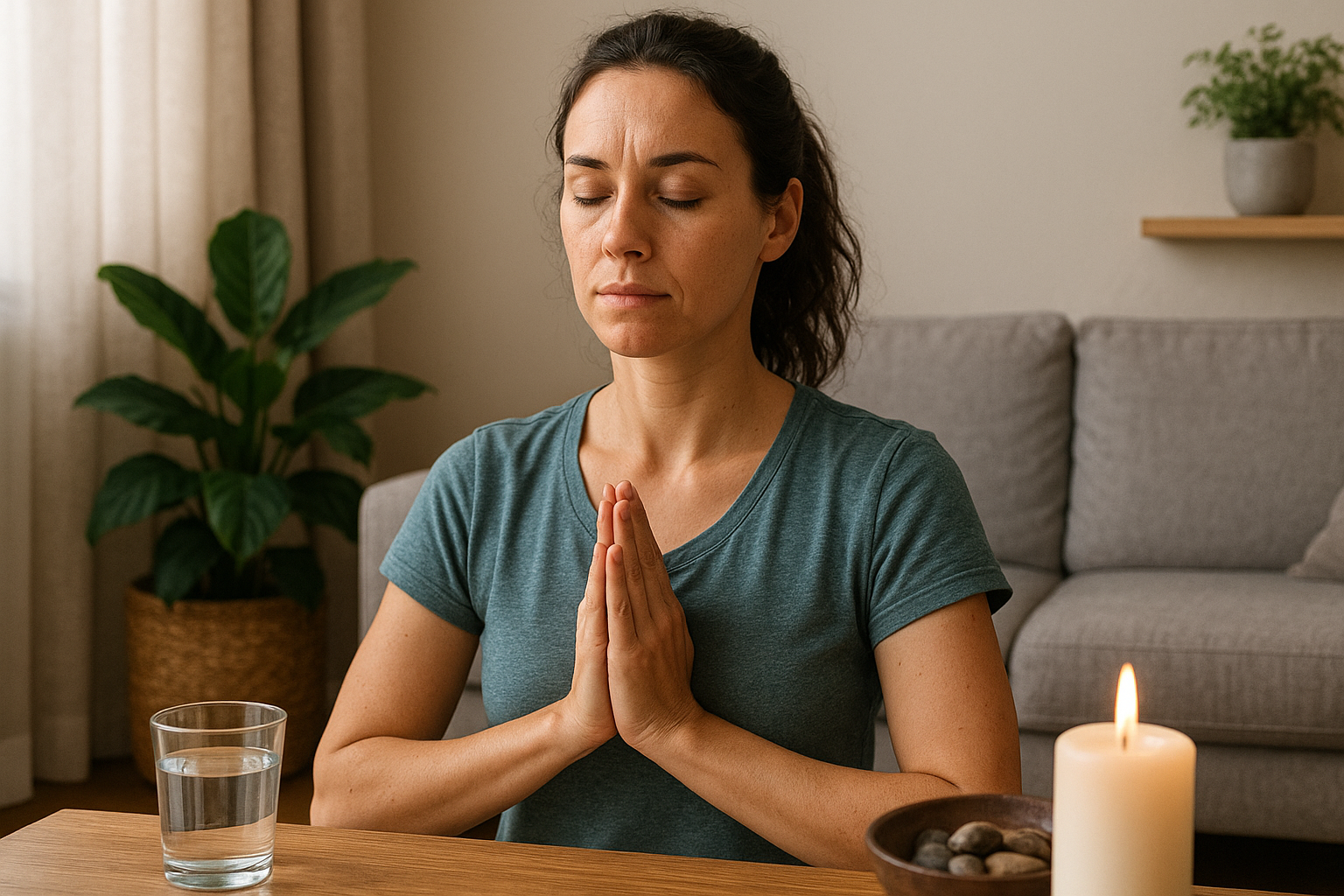
– Acceptance and nonjudgment: When stress spikes, acknowledge the feeling (“I’m stressed right now”) without telling yourself you should be calm or that it’s a failure. This reduces resistance and rumination.
Cognitive-behavioral strategies
– Identify automatic thoughts: When stressed, jot down the immediate thoughts you notice (e.g., “I can’t handle this”). Name the emotion and the thought.
– Challenge unhelpful beliefs: Ask questions like, “What’s the evidence for and against this thought?” “What would I tell a friend in this situation?” “What’s a more balanced interpretation?”
– Thought records: Use a simple template: situation, emotion intensity (0–100), automatic thought, evidence for/against, alternative balanced thought, outcome. Regular practice reduces reactivity over time.
– Behavioral activation and small steps: Break overwhelming tasks into tiny steps you can complete this hour or today. Celebrate progress to reduce avoidance.
Physical activity and sleep
– Regular exercise: Aim for at least 150 minutes of moderate-intensity aerobic activity per week, plus two days of strength training. Even short bouts (10–15 minutes) several times a day can help if that's what you can sustain.
– Sleep hygiene: Maintain a consistent bedtime and wake time, create a winding-down routine, limit screen exposure 1 hour before bed, and keep the sleep environment cool, dark, and quiet. Prioritize 7–9 hours per night if possible.
– Movement as stress relief: If you’re overwhelmed, a brisk 10–20 minute walk can reset mood and clarity and is better than scrolling mindlessly.
Social connection and meaning
– Reach out: Schedule regular times to connect with friends or family. Social support buffers stress and improves mood.
– Meaningful activities: Dedicate time to activities that give you a sense of purpose or joy, even in small doses (hobbies, volunteering, helping others, time in nature).
– Boundaries and communication: Learn to say no when needed, delegate tasks, and set clear expectations to reduce overload.
Acute stress grounding and safety techniques
– 5-4-3-2-1 grounding: Notice 5 things you can see, 4 you can touch, 3 you can hear, 2 you can smell, and 1 you can taste. Do this in a few breaths to anchor yourself in the present moment.
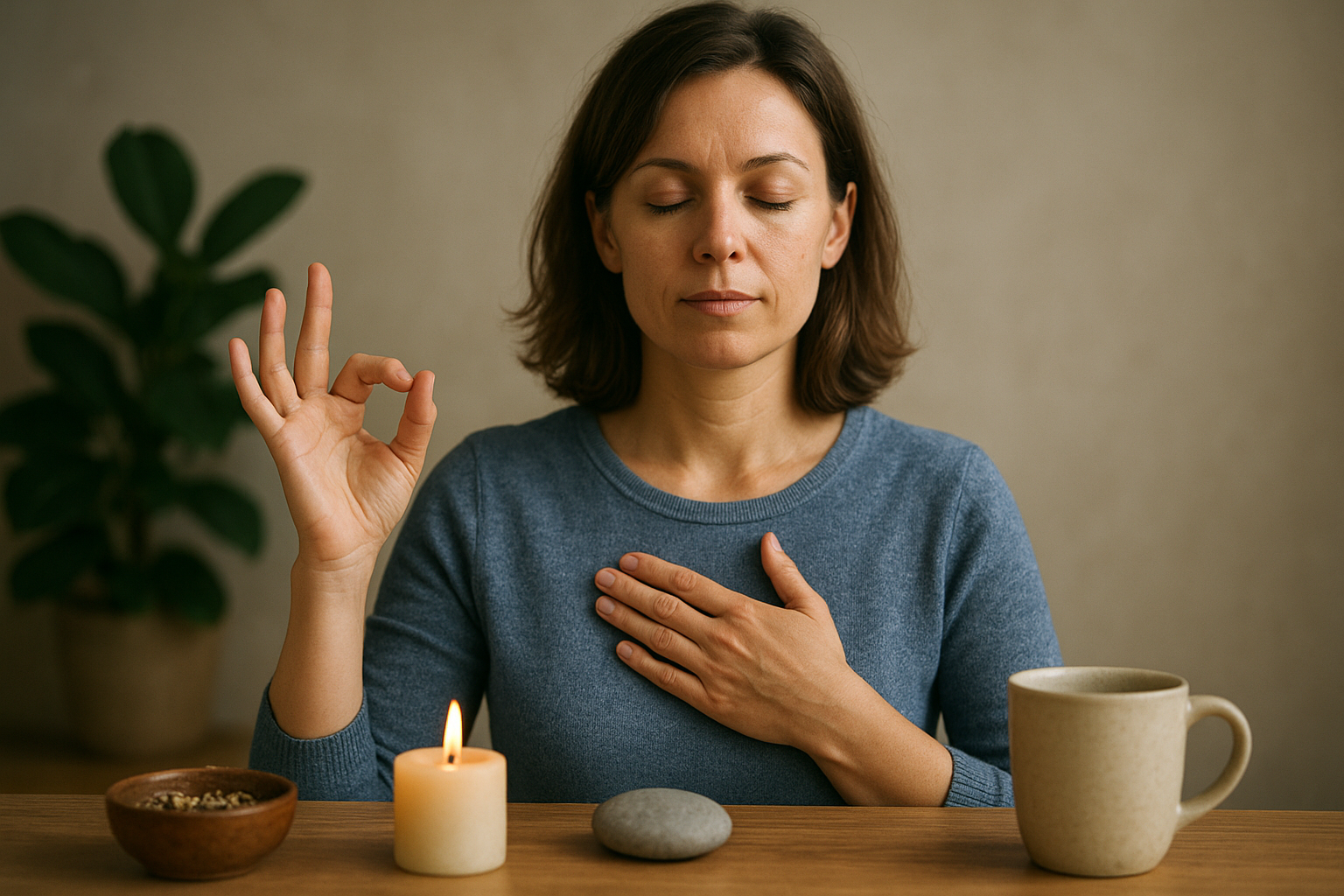
– Soothing touch: Place a hand over your heart or give yourself a gentle hug for 30–60 seconds. This can calm the nervous system when emotions surge.
Nutrition, caffeine, and environment
– Hydration and meals: Eat regular, balanced meals with a mix of protein, healthy fats, and complex carbohydrates. Avoid long gaps between meals which can worsen irritability.
– Caffeine awareness: If caffeine worsens anxiety or sleep, reduce intake, especially in the afternoon and evening.
– Nature and sunlight: Time outdoors in natural light and greenery; even short, regular exposure can lower stress levels.
When to seek more help
– If stress feels persistent, overwhelming, or disrupts daily functioning (sleep, work, relationships), consider speaking with a mental health professional. Therapies like cognitive-behavioral therapy, mindfulness-based stress reduction, or acceptance and commitment therapy have strong evidence for reducing stress and improving coping. In some cases, medication or a combined approach may be appropriate.
Putting it into daily life (a simple starting plan)
– Week 1: Establish basics
– Pick one breathing technique and practice 5–10 minutes daily.
– Add 7–9 hours of sleep and a consistent bedtime.
– Take a 10–15 minute walk most days.
– Week 2: Add body awareness and small cognitive work
– Start a 10-minute mindfulness or body scan session each day.
– Start a simple thought record for one stressful situation.
– Week 3: Build a routine
– Combine breathing with PMR or 5-10 minutes of mindfulness in the morning.
– Schedule a social connection (call a friend or family) a couple of times this week.
– Week 4: Sustain and adjust
– Review what’s working; drop or tweak techniques that aren’t a good fit.
– Increase physical activity if possible; aim for consistency over intensity.
Common pitfalls and tips
– Inconsistency: Short, regular practice beats long, rare sessions. Set a reminder or pair with existing habits (morning coffee, after work).
– All-or-nothing thinking: If you skip a session, don’t quit—start again right away. Focus on small, doable steps.
– Overload: Don’t try to master every technique at once. Start with 1–2 and add gradually.
– Personalizing: Some techniques suit you better than others. It’s okay to mix and match.
Bottom line
Effective stress management blends physiological calm, cognitive skills, healthy routines, and social support. By practicing a few core techniques regularly—breathing and body awareness, gentle movement, sleep hygiene, mindful and constructive thinking, and meaningful social connections—you can reduce the intensity and duration of stress responses and improve overall well-being. If stress remains persistent or you notice signs of anxiety or depression, seeking professional guidance can provide targeted strategies and support.