

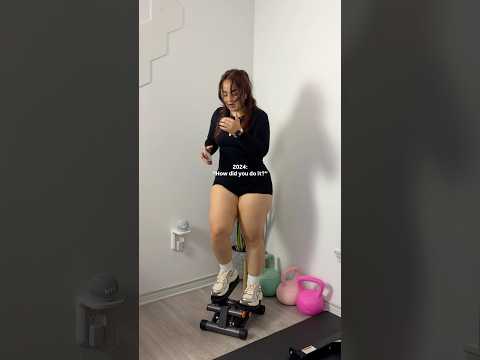
Over the past two years, a significant shift has occurred in how individuals approach health and fitness. Fueled by the necessity of staying at home due to global circumstances, many have transformed their living spaces into personal gyms, exploring cardio workouts and adopting healthier lifestyle habits. What began perhaps as a temporary solution has evolved into a sustainable, enjoyable way of life for countless individuals. This article delves into this fascinating trend and explores the benefits and challenges of maintaining a fitness routine at home.
**The Rise of Home Fitness**
The home fitness revolution is majorly attributed to the closure of gyms and the need for social distancing. Initially, this posed a significant challenge for those reliant on gym equipment and group classes for their physical health. However, the adaptation was swift and remarkable. Social media platforms became inundated with hashtags like cardio workout and fitness at home, as more people documented their workout routines from the comfort of their living rooms, garages, and backyards.
**Cardio Workouts at Home: Convenient and Cost-Effective**
Cardio workouts, in particular, saw a considerable rise in popularity. With minimal need for equipment, exercises such as high-intensity interval training (HIIT), aerobics, jump rope, and even dance became routine. People realized that these workouts could be as effective as any session at the gym when done correctly. They are not only convenient but also cost-effective, as they often require little more than an exercise mat and some free space.
**The Benefits: Physical and Mental Health**
The benefits of these new exercise habits extend beyond physical health. Regular cardio workouts contribute significantly to improving cardiovascular health, weight loss, and increased stamina. But perhaps more importantly, in a time of unprecedented stress and anxiety, exercise became a vital outlet for many to manage their mental health. The endorphins released during physical activity are proven to decrease stress, combat depression, and boost overall mood.
**Overcoming Challenges: Space and Motivation**
Despite the many benefits, the shift wasn’t without its challenges. Space constraints are a real issue in smaller living environments. Innovating ways to create room for physical activity often required moving furniture around or utilizing outdoor spaces like balconies or nearby parks.
Another challenge was maintaining motivation. Without the external motivation of a gym environment, many struggled to keep up their exercise routine. Online workout classes and virtual fitness challenges surged in popularity as ways to keep individuals engaged. Social media platforms served not only as a tool for sharing progress but also for building a community of like-minded individuals who support and motivate each other.
**Moving Forward: A Permanent Shift?**
As we adapt to the changing world, what does the future hold for home fitness? Many have invested in home gym equipment, and with the convenience and flexibility it offers, this trend might see a lasting impact even as gyms reopen. However, a balanced approach could also emerge where individuals mix home workouts with gym sessions, taking advantage of the best both realms offer.
**Conclusion**
In conclusion, the last two years have significantly altered the fitness landscape. Cardio workouts and home fitness routines have enabled many to maintain and even improve their health in challenging times. As we look ahead, the lessons learned and habits formed during this period will likely continue to influence how we approach physical fitness, underscoring the resilience and adaptability of individuals in maintaining a healthy lifestyle against all odds. The ongoing journey of home fitness is a testament to the fact that when it comes to health, where there’s a will, there’s a way.