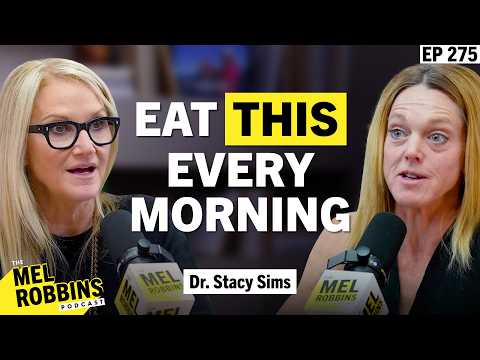
In today’s fast-paced world, achieving optimal health, efficient fat loss, and boundless energy can seem like a daunting task, especially for women who face unique physiological changes. Dr. Stacy Sims, an exercise physiologist and nutrition scientist, has made significant strides in understanding female biology and how it responds to diet and exercise. Her approach, detailed in her research and public teachings, breaks away from the traditional one-size-fits-all advice and dives into the specifics of female physiology and its impact on fitness and nutrition.
Dr. Sims emphasizes that due to hormonal fluctuations, women require different strategies for eating and exercising throughout their menstrual cycle, menopause, and beyond. Her philosophy is that understanding and working with one’s own body, instead of against it, can lead to better health outcomes, sustainable fat loss, and enhanced energy levels. Here are some key takeaways from her approach:
1. Nutrition That Syncs with Hormonal Cycles
Dr. Sims teaches that the menstrual cycle should guide a woman’s nutritional choices. During the early follicular phase of the cycle, when estrogen is low, women might benefit from a higher intake of proteins and fats. However, as they transition into the luteal phase, where estrogen peaks, the body’s insulin sensitivity changes, and they may need more carbohydrates to maintain energy levels.
She also points out the importance of adapting dietary choices to age-related hormonal changes, such as menopause. During this time, women often experience decreased metabolic rates and might need to adjust their caloric intake and macronutrient balance accordingly.
2. Exercise Aligned with Female Physiology
Exercise recommendations by Dr. Sims also consider hormonal fluctuations. She suggests strength training might be more effective if scheduled during the first half of the menstrual cycle when estrogen levels are lower and muscle recovery is faster. Conversely, during the second half, when progesterone rises, focusing on steady-state cardio might be more beneficial and feel more comfortable.
For older women, particularly those who are perimenopausal or postmenopausal, Dr. Sims advocates for increased resistance training to combat the loss of muscle mass and bone density due to decreased levels of estrogen.
3. The Importance of Recovery
Recovery is another crucial area where Dr. Sims’s advice deviates from the general. She highlights that recovery needs can vary dramatically across a woman’s cycle. During periods when sleep might be disrupted, such as in the late luteal phase, implementing stress-reducing techniques and ensuring adequate magnesium intake can enhance sleep quality and overall recovery.
4. Supplements for Support
Dr. Sims identifies several key supplements that can bolster health and performance due to their role in supporting hormonal health, recovery, and energy levels. These include omega-3 fatty acids, which can help regulate hormonal fluctuations, and magnesium, which supports sleep and muscle recovery. She tends to recommend a personalized approach to supplementation based on individual needs and deficiencies.
Dr. Stacy Sims’s work provides a refreshing and revolutionary view on how women should approach eating and exercise. Her emphasis on tailoring these aspects to female-specific physiological changes not only promises improved health but also a deeper understanding of one’s body. As more women adopt these practices, the landscape of women’s health and fitness might very well see a significant transformation, making wellness more accessible and achievable for every woman.