Health and wellness is a holistic practice that goes beyond the absence of illness. It blends physical vitality, mental balance, and meaningful everyday habits to help you feel stronger, more energized, and better able to handle life’s stresses. Rather than chasing quick fixes, a wellness approach focuses on sustainable changes that fit your unique circumstances, preferences, and goals.
What health and wellness entail
– Physical health: Regular movement, good nutrition, adequate sleep, and preventive care that keep your body strong and resilient.
– Mental health: Emotional awareness, coping skills, stress management, and access to support when needed.
– Sleep and energy: Consistent routines that restore cognitive function, mood, and physical recovery.
– Nutrition and hydration: Foods that nourish you, balanced meals, and proper hydration to support daily functioning.
– Social and environmental wellness: Strong relationships, a sense of belonging, and a healthy environment that reduces stress and enhances well-being.
– Preventive care and safety: Regular checkups, vaccines, safety practices, and awareness of personal health markers.
Foundations to guide your journey
– Move regularly: Aim for at least 150 minutes of moderate-intensity aerobic activity per week, plus two days of strength training. Include daily movement—short walks, stairs instead of elevators, stretching after sitting—to break up sedentary time.
– Sleep well: Most adults need about 7-9 hours per night. Prioritize a regular sleep schedule, a cool dark room, and a wind-down routine that limits screens before bed.
– Eat to nourish: Focus on whole foods—vegetables, fruits, whole grains, lean proteins, healthy fats. Use the plate method: half vegetables, a quarter protein, a quarter whole grains or complex carbs, plus a serving of healthy fats.
– Hydrate thoughtfully: Drink water regularly throughout the day and listen to your body’s thirst signals. Some people need more or less than others; signs you may need more water include darker urine, dry mouth, or fatigue.
– Manage stress: Develop a toolkit with breathing exercises, brief mindfulness moments, journaling, or quick movement breaks. Regularly checking in with how you feel helps prevent stress from accumulating.
– Foster social connections: Strong relationships and supportive communities are a core part of wellness. Make time for friends, family, or groups that share your interests.
– Proactive healthcare: Schedule regular checkups, preventive screenings, and age-appropriate vaccinations. Talk with a clinician about any persistent symptoms, mental health concerns, or medication questions.
– Safety and environment: Maintain ergonomic setups for work, protect your skin from sun exposure, and cultivate a living space that supports calm and focus.
Practical steps to start or refocus
– Set small, specific goals: Instead of “eat healthier,” try “fill half of my plate with vegetables at two meals per day.” Instead of “exercise more,” try “three 10-minute walks this week.”
– Build habits with stacking: Pair a new habit with an existing routine. For example, stretch for five minutes after brushing your teeth in the morning.
– Create a simple routine: A 20-minute morning routine that includes hydration, a light movement session, and a healthy breakfast can set a positive tone for the day.
– Track progress in a light way: Use a simple journal, app, or calendar to mark days you hit your targets. Focus on consistency more than perfection.
– Personalize your plan: Consider your schedule, preferences, and energy patterns. If mornings are rough, place more emphasis on evening routines or shorter activities spread across the day.
Sleep hygiene tips
– Keep a consistent bedtime and wake time—even on weekends.
– Create a calming pre-sleep routine: dim lights, screen-free time, gentle stretching or reading.
– Optimize the sleep environment: cool room temperature, comfortable bedding, and minimal noise and light.
– Limit caffeine and heavy meals late in the day.
Nutrition principles
– Emphasize whole foods and minimize ultra-processed items.
– Prioritize vegetables and fruits in every meal; include lean proteins and healthy fats.
– Watch portion sizes and listen to hunger and fullness cues.
– Plan meals or snacks ahead of time to reduce impulsive choices during busy days.
Movement ideas
– Break up long periods of sitting with short activity bouts: 2–5 minutes every hour.
– Mix cardio with strength training: alternate brisk walking or cycling with bodyweight exercises like squats or push-ups a couple of times per week.
– Include flexibility and balance work: gentle yoga, stretching, or tai chi can support mobility and fall prevention as you age.
Mental health and coping
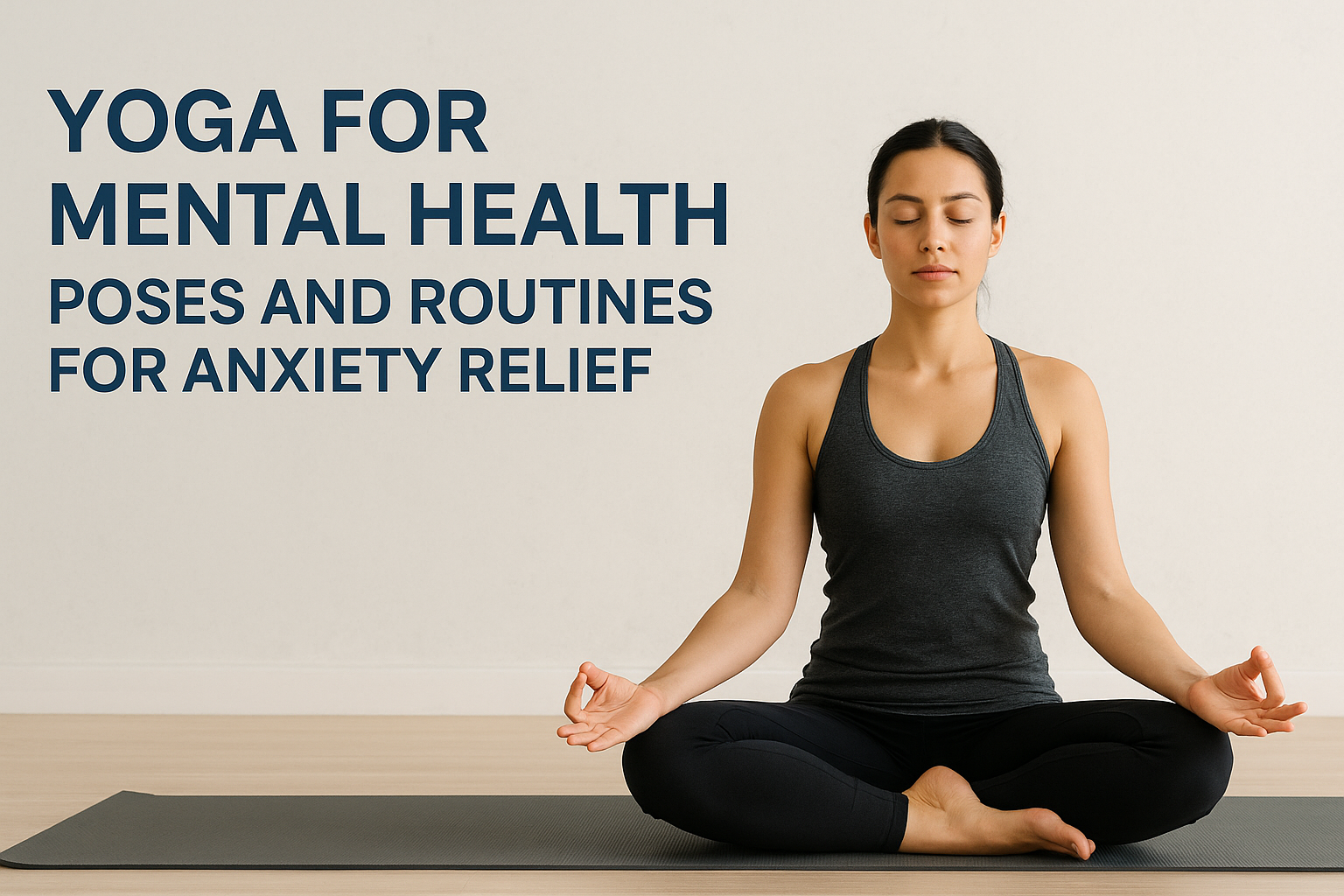
– Practice mindfulness or breathing exercises for a few minutes daily to reduce anxiety and improve focus.
– Journaling can help process emotions and clarify priorities.
– Seek social support when stress feels heavy. Talking with friends, family, or a mental health professional can be a powerful part of wellness.
– Be attentive to warning signs of burnout or persistent mood changes, and seek professional help if needed.
Wellness at work and life
– Ergonomics matter: proper chair height, screen position, and keyboard placement reduce strain.
– Schedule breaks to reset focus and prevent fatigue.
– Set boundaries to protect personal time and prevent work from spilling into rest and recovery periods.
Measurement and mindset
– Wellness is a dynamic, ongoing journey rather than a fixed destination. It’s about balance, progress, and adaptability.
– Focus on energy, mood, sleep quality, and daily functioning as your guiding indicators rather than chasing arbitrary metrics.
– Be kind to yourself. If you miss a goal, adjust and try again. Consistency over time matters more than short-term perfection.
Common challenges and practical fixes
– Busy schedules: Short, frequent activity beats sporadic long sessions. Plan micro-goals you can fit into a packed day.
– Sleep trouble: If you can’t fall asleep after 20 minutes, get out of bed and do a quiet activity until you feel sleepy.
– Cravings and nutrition slip-ups: Allow yourself planned indulgences in moderation, then return to your healthy baseline without guilt.
– Motivation ebbs: Revisit your “why”—how health and wellness improve your daily life, energy, and ability to do what you love.
A personalized, lifelong journey
Every person’s health and wellness journey is unique. Start where you are, celebrate small wins, and gradually build a routine that fits your life. If you have chronic illness, pregnancy, or complex medical needs, partner with healthcare professionals to tailor a plan that’s safe and effective for you.
In essence, health and wellness is about creating a sustainable daily rhythm that supports your body, your mind, and your relationships. By combining movement, sleep, nutrition, stress management, and social connection into an integrated approach, you can improve energy, mood, resilience, and overall quality of life—even amid life’s inevitable challenges.