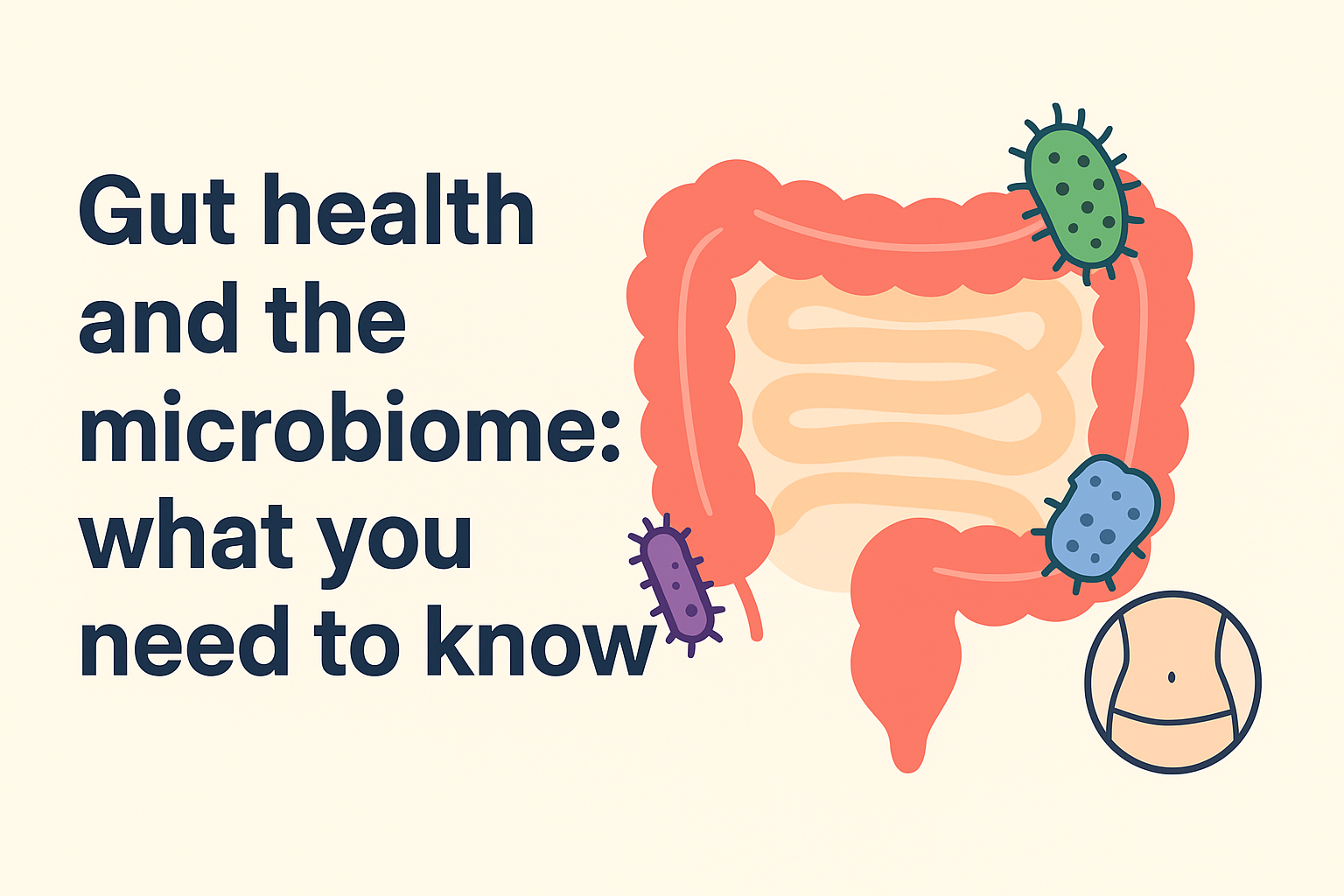
Gut health and the microbiome: what you need to know
Introduction
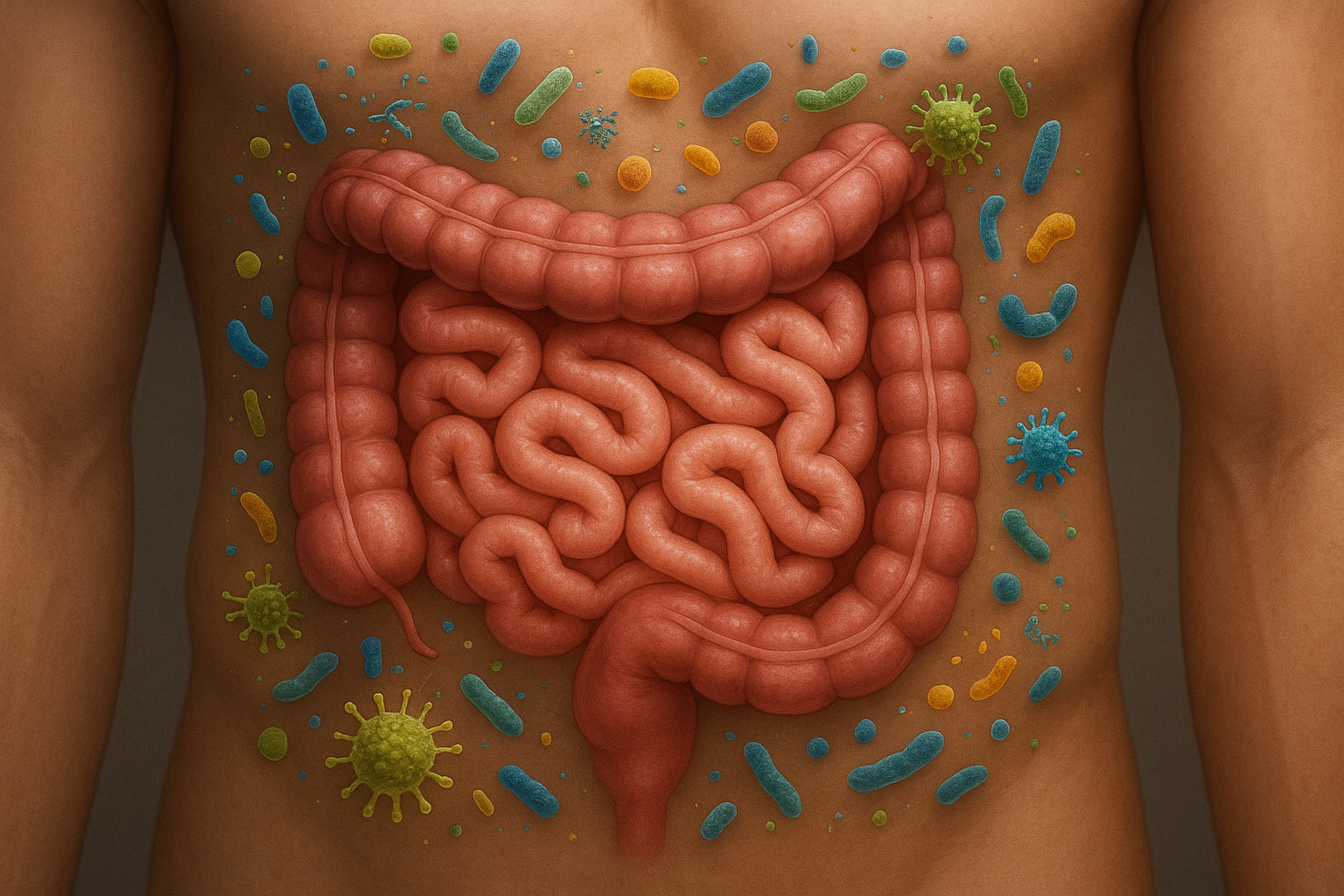
Our gut is more than a place to digest food. It’s a complex ecosystem that houses trillions of microbes—bacteria, viruses, fungi, and other microorganisms—that influence digestion, immunity, metabolism, and even mood. Understanding gut health and the microbiome can help you make choices that support overall well-being.
What is gut health?
Gut health refers to how well your digestive system functions, from the mouth to the end of the intestines. Key signs of good gut health include smooth digestion, regular bowel movements, minimal bloating or discomfort, and the gut’s barrier function staying strong against unwanted invaders. A healthy gut also communicates effectively with the rest of the body through the immune system and the gut-brain axis, a bidirectional line of communication linking digestion and brain function.
What is the microbiome?
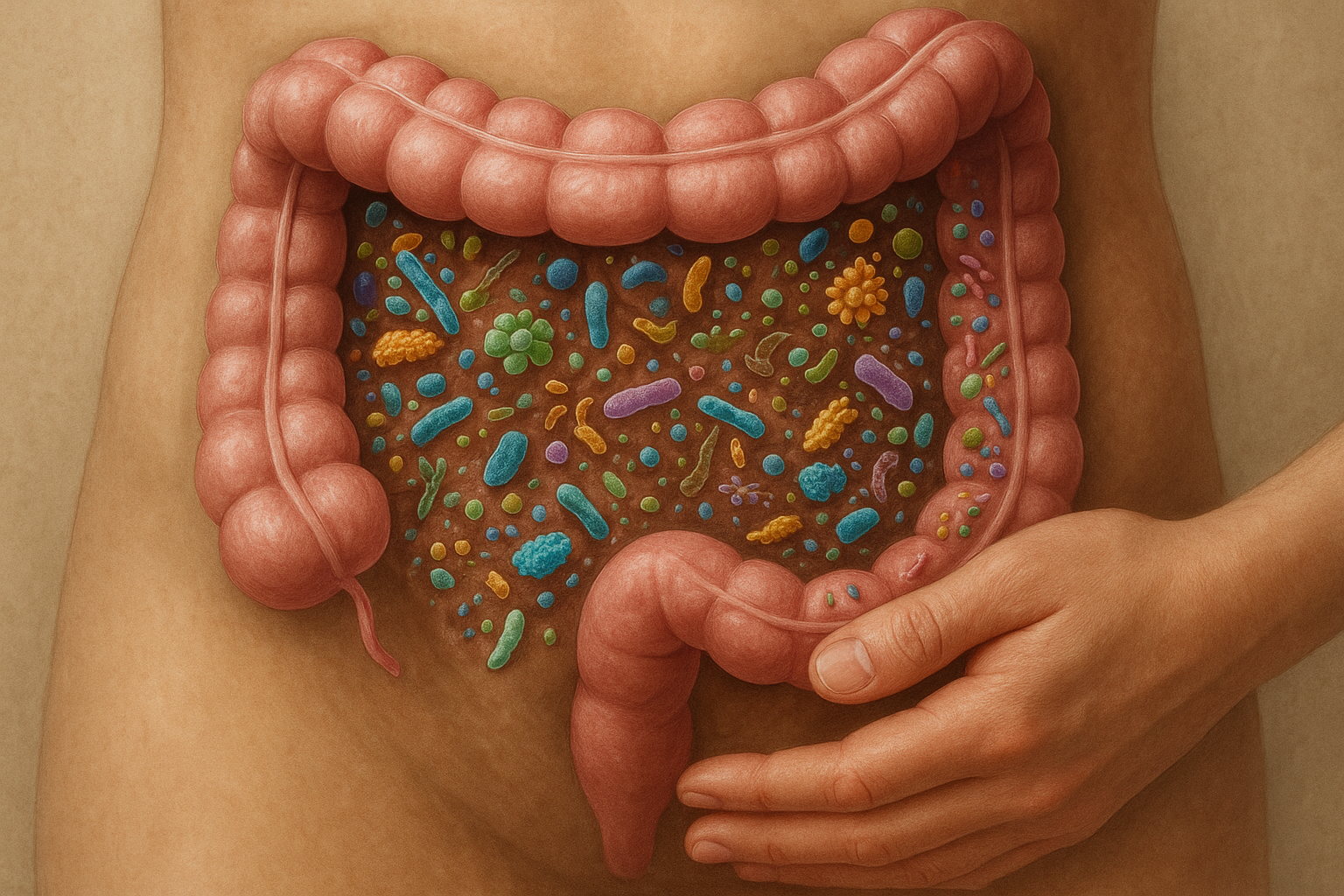
The gut microbiome is the collection of microorganisms living in the intestines and their collective genetic material. This community is diverse and dynamic, changing with age, diet, environment, medications, infections, and lifestyle. No two people have the exact same microbiome, and even within one person it can shift over days, weeks, or years.
Why the microbiome matters
– Digestion and nutrient extraction: Some microbes help break down fibers and resistant starches that our bodies can’t digest on their own. They produce short-chain fatty acids (SCFAs) like acetate, propionate, and butyrate, which fuel gut cells and have systemic effects.
– Immune system development and function: The microbiome trains the immune system to distinguish helpful from harmful agents, reducing inappropriate inflammation.
– Barrier integrity: A healthy microbiome helps maintain the gut lining, keeping unwanted substances from entering the bloodstream.
– Metabolism and beyond: Microbes influence fat storage, glucose regulation, and even the production of certain vitamins and signaling molecules.
– Mind and mood: The gut communicates with the brain via neural, hormonal, and immune pathways. Some people notice changes in mood, stress response, or cognitive function related to gut health.
How the microbiome develops and changes
– Early life: Birth mode (vaginal vs. cesarean) and breastfeeding shape the initial microbiome. Early exposures set the stage for immune and metabolic development.
– Diet and lifestyle: Long-term dietary patterns and daily habits have a strong influence. A diet rich in diverse plant-based foods generally supports a diverse microbiome.
– Medications and infections: Antibiotics can disrupt microbial balance, sometimes for weeks or months. Other medications, such as certain acid-suppressing drugs, can also alter the gut community.
– Aging: Microbial diversity tends to shift with age, and these changes can affect digestion and immunity.
– Environment and stress: Lifestyle, stress levels, sleep, exercise, and exposure to different environments contribute to microbiome composition.
Diet and lifestyle: the major levers
– Eat a diverse, fiber-rich diet: A wide range of plant foods provides different types of fiber and plant compounds that feed beneficial microbes. Aim for a variety of vegetables, fruits, legumes, whole grains, nuts, and seeds.
– Prioritize prebiotic foods: Prebiotics are fibers that feed gut bacteria. Foods rich in prebiotics include garlic, onions, leeks, asparagus, bananas, chicory root, barley, oats, and psyllium. Introduce them gradually to avoid temporary gas or discomfort.
– Include fermented foods: Fermented dairy (yogurt with live cultures), kefir, sauerkraut, kimchi, miso, tempeh, and yogurt-style products with live cultures can add beneficial microbes to the diet. Potency and strains vary, so don’t rely on them as a medical cure but as a potential support.
– Be mindful of processed foods and added sugars: Diets high in ultra-processed foods and added sugars may negatively influence the microbiome and inflammation for some people.
– Hydration matters: Water supports digestion and transit time.
– Protein and fat quality: Enjoy a balanced intake of protein and healthy fats. Emphasize plant-based proteins along with fish or other lean options. Some evidence suggests plant diversity is particularly microbiome-friendly.
– Alcohol and caffeine: Moderate consumption is generally fine for many people; excessive alcohol can disrupt gut balance for some individuals.
– Regular physical activity: Consistent exercise is associated with a more diverse gut microbiome and better gut function.
– Sleep and stress management: Poor sleep and chronic stress can affect gut function and microbial balance. Good sleep hygiene and stress-reduction strategies support gut health.
– Antibiotics and medical treatments: Use antibiotics only when prescribed by a healthcare provider and discuss potential gut-related side effects or strategies to support recovery.
What gut health looks like in practice
– Digestive comfort: Regular bowel movements that aren’t overly hard or loose, minimal bloating or abdominal discomfort.
– Consistent energy and mood: Many people notice steadier energy and mood with a healthy gut, though these are influenced by many factors.
– Immune resilience: Fewer infections or inflammatory responses can be a downstream benefit of a well-functioning gut and immune system.
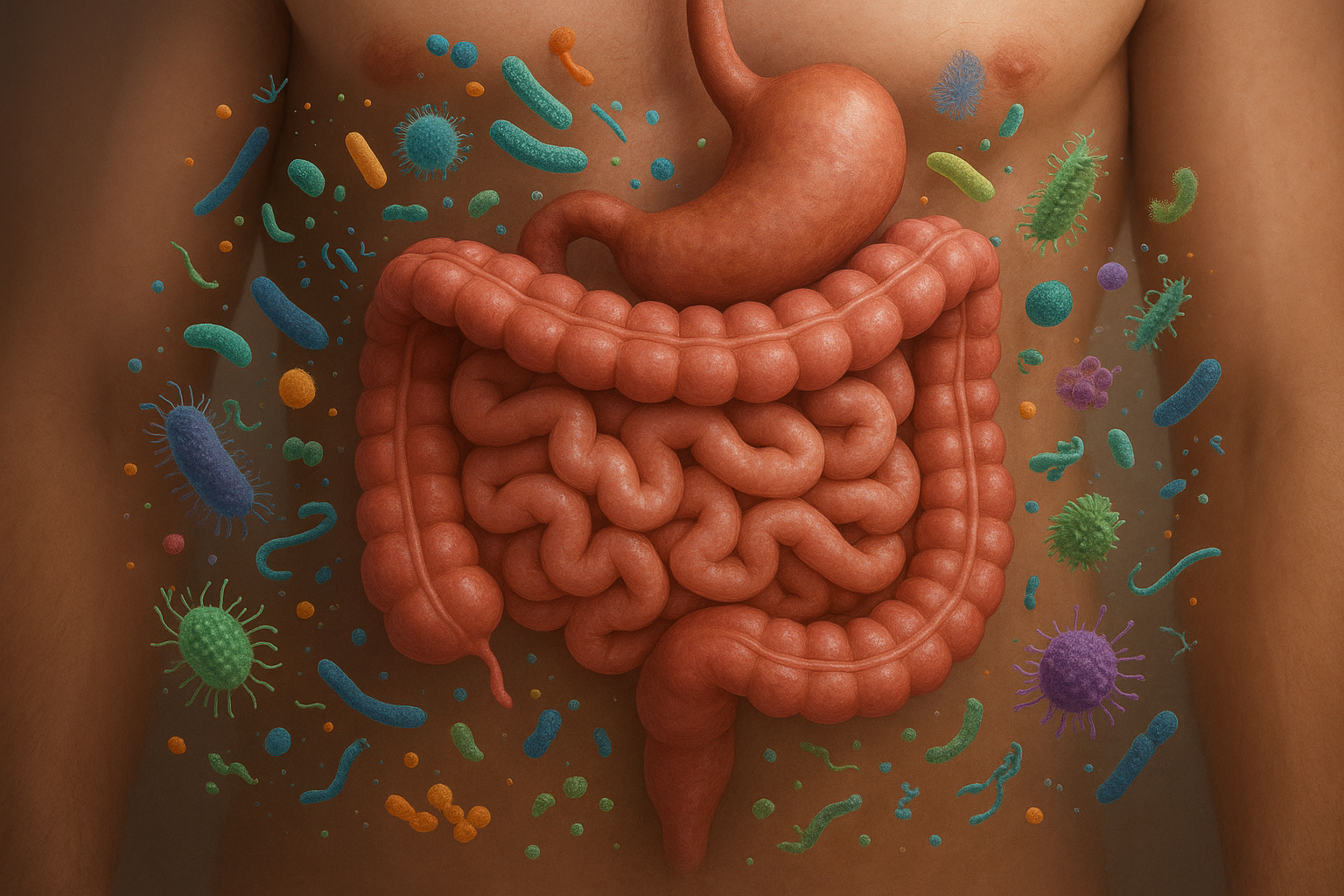
– Metabolic signals: Blood sugar control and lipid profiles can be influenced by gut microbial activity in concert with diet and lifestyle.
When gut health signals potential problems
– Persistent symptoms such as abdominal pain, chronic diarrhea or constipation, unintentional weight loss, blood in stool, difficult swallowing, or persistent nausea warrant evaluation by a healthcare professional.
– Some chronic conditions, including irritable bowel syndrome (IBS), inflammatory bowel disease (IBD), celiac disease, and certain infections, may benefit from specialized medical care and dietary guidance.
Probiotics, prebiotics, and supplements
– Probiotics are live microorganisms that may provide a health benefit in specific situations. Not all strains are the same, and benefits are often strain- and condition-specific.
– Prebiotics are non-digestible fibers that feed beneficial bacteria. They are a practical way to support your microbiome through diet.
– Supplements can help some people, but they are not a universal fix. If you consider probiotics or prebiotics, discuss with a healthcare professional, especially if you have immune suppression, a serious illness, or are taking medications.
– Testing: Microbiome testing is popular, but results can be difficult to interpret and are not routinely used to guide everyday health decisions. Focus on well-supported dietary and lifestyle strategies first, and consult a clinician if you’re curious about testing for a specific reason.
Common myths debunked
– Myth: You can “fix” your microbiome overnight.
Reality: The microbiome is resilient but changes gradually. Long-term dietary patterns and habits matter more than quick fixes.
– Myth: Probiotics permanently colonize the gut.
Reality: Most probiotics do not permanently colonize; they may provide short-term benefits while they are present, and their effects can depend on the host’s existing microbiome.
– Myth: Everyone has the same gut bacteria, and there’s a one-size-fits-all solution.
Reality: Microbiomes are highly individual. Personal responses to foods and supplements vary widely.
Practical tips for a gut-friendly daily routine
– Aim for plant diversity daily. Different plants feed different microbes.
– Include a mix of fiber types: soluble and insoluble fibers, such as oats, beans, vegetables, fruits, and whole grains.
– Add at least one fermented food most days if you enjoy it.
– Keep hydration steady; drink water with meals and throughout the day.
– Exercise regularly and get adequate sleep.
– Manage stress with breathing exercises, mindfulness, yoga, or other activities you enjoy.
– Use antibiotics only when medically necessary and discuss opportunities to support gut health during and after treatment.
Taking a balanced view
Gut health is a piece of the broader health puzzle. Diet, activity, sleep, stress, and medical factors all play roles, and individual responses can vary. There isn’t a single “best” diet for everyone, but a pattern that emphasizes variety, whole plant foods, fermented foods, and healthy lifestyle habits is broadly supportive of a robust microbiome and gut function.
Bottom line takeaways
– The gut microbiome is a dynamic community that influences digestion, immunity, and even mood.
– Diversity in diet, especially a wide range of fiber-rich plant foods, supports a healthy microbiome.
– Fermented foods and prebiotic fibers can contribute beneficial microbes and fuel for them.
– Exercise, sleep, stress management, and cautious antibiotic use all matter for gut health.
– Probiotics and microbiome testing can be helpful in some contexts, but they’re not universal solutions. Consult a clinician for personalized advice, particularly if you have a chronic condition or persistent GI symptoms.
If you’d like, I can tailor this article to a specific audience (general readers, athletes, older adults, parents, or patients with a particular condition) or expand any section with more practical tips and examples.