Immunity isn’t a single switch you flip; it’s a complex system shaped by many daily habits. While supplements can be helpful in certain cases, most people can strengthen their immune resilience by focusing on a healthy lifestyle and nutrient-rich foods. Here are natural strategies to support immune function without overdoing supplements.
Nourishing nutrition
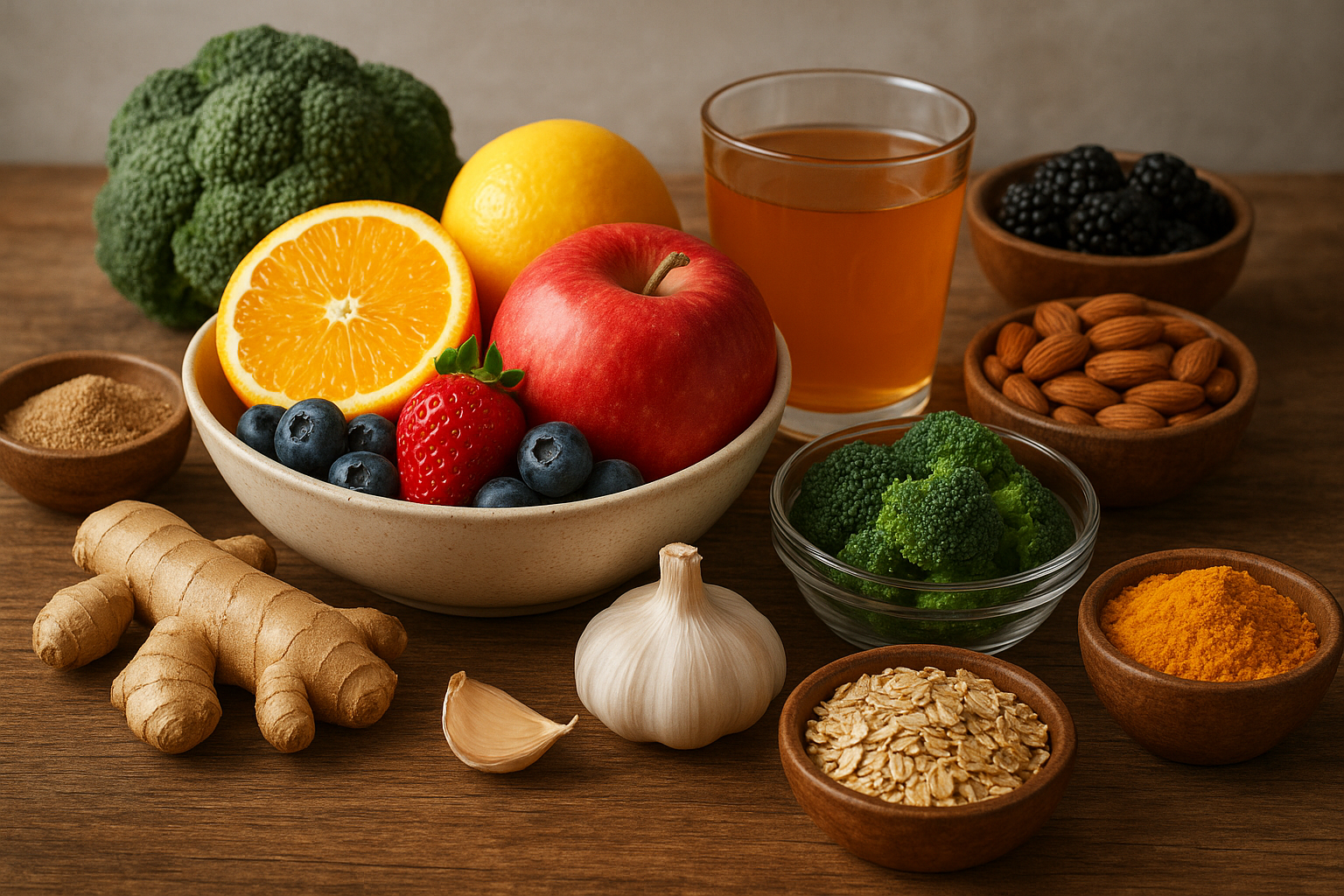
– Eat a varied, colorful plate: Aim to fill half your plate with vegetables and fruits at meals. Colors often signal different antioxidants, vitamins, and minerals that support immune cells.
– Prioritize whole foods: Choose whole grains, lean proteins, healthy fats, and minimally processed foods. These provide steady energy and the building blocks immune cells need.
– Include immune-supporting nutrients through foods:
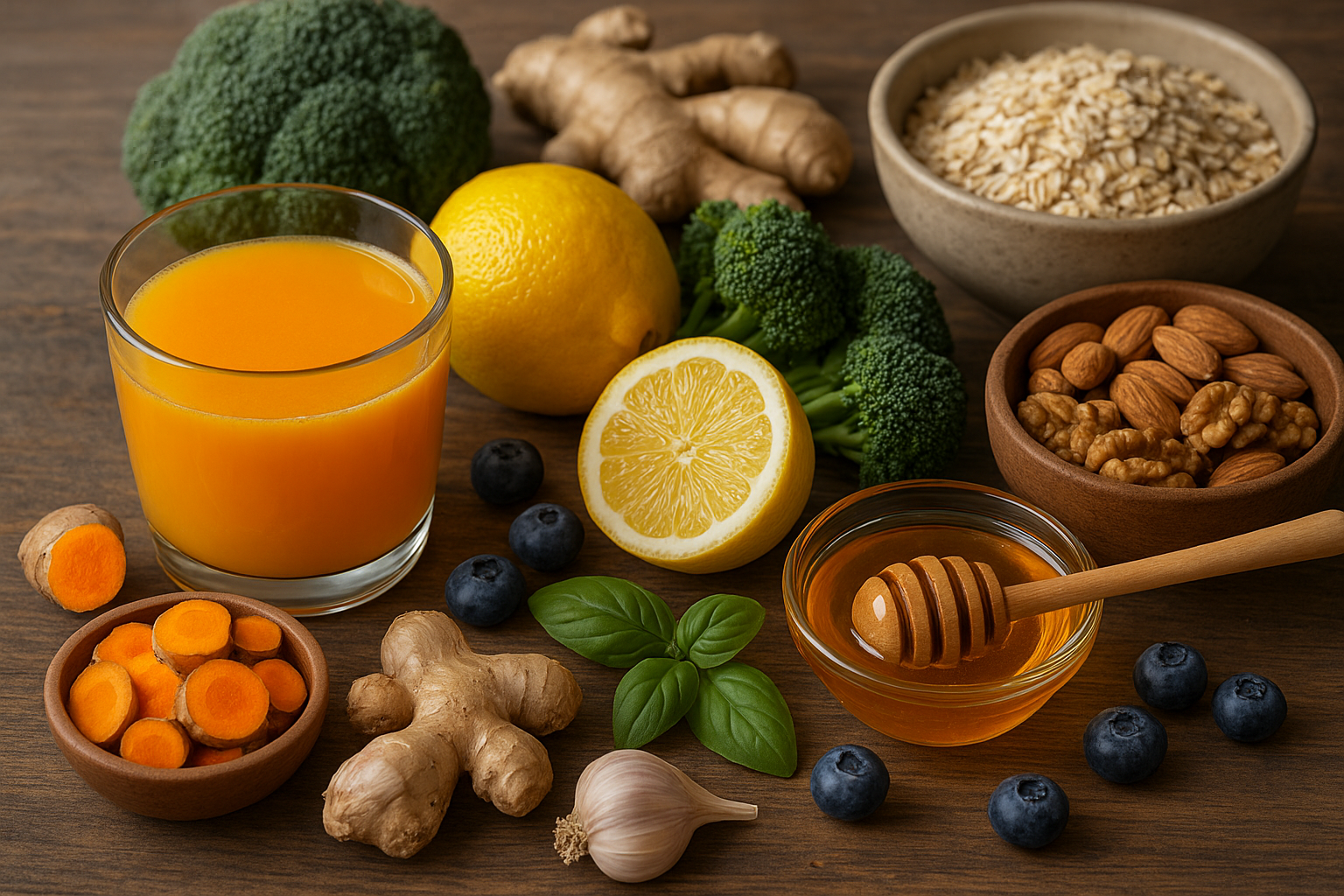
– Vitamin C: citrus fruits, berries, kiwi, bell peppers, leafy greens.
– Vitamin A: sweet potatoes, carrots, spinach, kale, eggs.
– Vitamin D: fatty fish (salmon, m sardines), fortified dairy or plant milks, mushrooms exposed to light.
– Zinc: meat, poultry, beans, nuts, seeds, whole grains.
– Selenium: Brazil nuts (controlled portions), seafood, whole grains, eggs.
– Probiotics: yogurt, kefir, fermented foods like sauerkraut, kimchi, miso.
– Favor fiber for gut health: A fiber-rich diet supports a healthy gut microbiome, which plays a role in immune function. Include legumes, whole grains, fruits, vegetables, and seeds.
– Hydration from foods and fluids: Water is essential, but you can also hydrate through soups, broths, and high-water foods like cucumbers and tomatoes.
Healthy sleep and stress management
– Prioritize 7–9 hours of sleep most nights. Consistent sleep patterns help regulate immune responses and inflammation.
– Create a wind-down routine: dim lights, screens off an hour before bed, and a relaxing activity (reading, gentle stretching, warm shower).
– Manage stress through practical strategies: mindfulness, deep breathing, journaling, time in nature, or hobbies. Chronic stress can dampen immune defenses, so finding regular stress-relief practices matters.
– Social connection matters: Positive social ties and supportive relationships can buffer stress and contribute to overall well-being.
Regular physical activity
– Aim for a mix of aerobic and strength training most weeks. Exercise supports circulation, which helps immune cells move through the body.
– Choose moderate, sustainable activity: brisk walking, cycling, swimming, dancing. Avoid overtraining, which can temporarily suppress immune function.
– Include movement breaks: If you have a sedentary job, stand up, stretch, or take short walks throughout the day.
Hydration, gut health, and lifestyle basics
– Drink enough water to feel well-hydrated. Hydration supports mucous membranes in the nose and throat, which are physical barriers to pathogens.
– Limit processed foods and added sugars, which can contribute to inflammation and energy swings.
– Avoid smoking, limit alcohol, and manage caffeine intake to support overall immune health. Smoking and excessive alcohol can impair immune function and increase infection risk.
– Sunlight exposure for vitamin D: Short periods of sun exposure a few times a week can help with vitamin D synthesis, but balance sun safety to reduce skin cancer risk.
Hygiene and preventive health
– Hands are a first line of defense: Wash with soap and water for at least 20 seconds, especially before eating, after using the restroom, and after being in public spaces.
– Vaccinations: Vaccines are a cornerstone of immune protection against specific infections. Stay up to date with recommended vaccines for your age and health status.
– Food safety: Wash fruits and vegetables, cook meats to safe temperatures, and store foods properly to minimize illness risk.
Mindful use of supplements
– Supplements are not a substitute for a healthy lifestyle. If you rely on supplements, keep them to modest, evidence-based doses and avoid megadoses.
– Food-first approach: Try to meet nutrient needs through a balanced diet before turning to supplements, unless a clinician has identified a specific deficiency.
– Talk to a healthcare professional before starting new supplements, especially if you’re pregnant, nursing, have a chronic condition, take medications, or have a history of nutrient excess or interactions.
– Common sensible considerations: Vitamin D, zinc, and probiotic strains are often discussed in relation to immune support, but their use should be personalized and not blanket-for-all.
Recognizing when to seek help

– Persistent or severe infections, unusually frequent illnesses, or symptoms that don’t improve with rest should prompt medical advice.
– If you have a chronic condition, are immunocompromised, or take medications that affect the immune system, work with your healthcare provider to tailor a plan that fits your needs.
Putting it together: a practical daily routine
– Breakfast: A veggie and fruit-rich smoothie or oatmeal with nuts and berries; add yogurt or kefir for probiotics.
– Lunch and dinner: A colorful plate with vegetables, a protein source (fish, poultry, legumes), whole grains, and healthy fats (olive oil, avocado). Include fermented foods a few times a week.
– Snacks: Fresh fruit, raw veggies with hummus, a handful of nuts.
– Hydration: Water throughout the day, plus a warm beverage like herbal tea in the evening if you enjoy it.
– Movement: A 30–45 minute activity most days, plus short movement breaks every hour if you have a desk job.
– Sleep: a consistent bedtime and wake time; create a calming pre-sleep routine.
– Careful supplement use: Only if needed and discussed with a clinician; avoid high-dose, long-term supplements without medical guidance.
Bottom line
A resilient immune system thrives on a balanced lifestyle: nutrient-dense foods, quality sleep, regular physical activity, stress management, good hygiene, and appropriate medical care including vaccinations. Supplements can fill occasional gaps, but the most reliable, sustainable boost comes from healthy daily habits. If you’re uncertain about your nutrient status or the role of supplements for you, consult a healthcare professional for personalized advice.