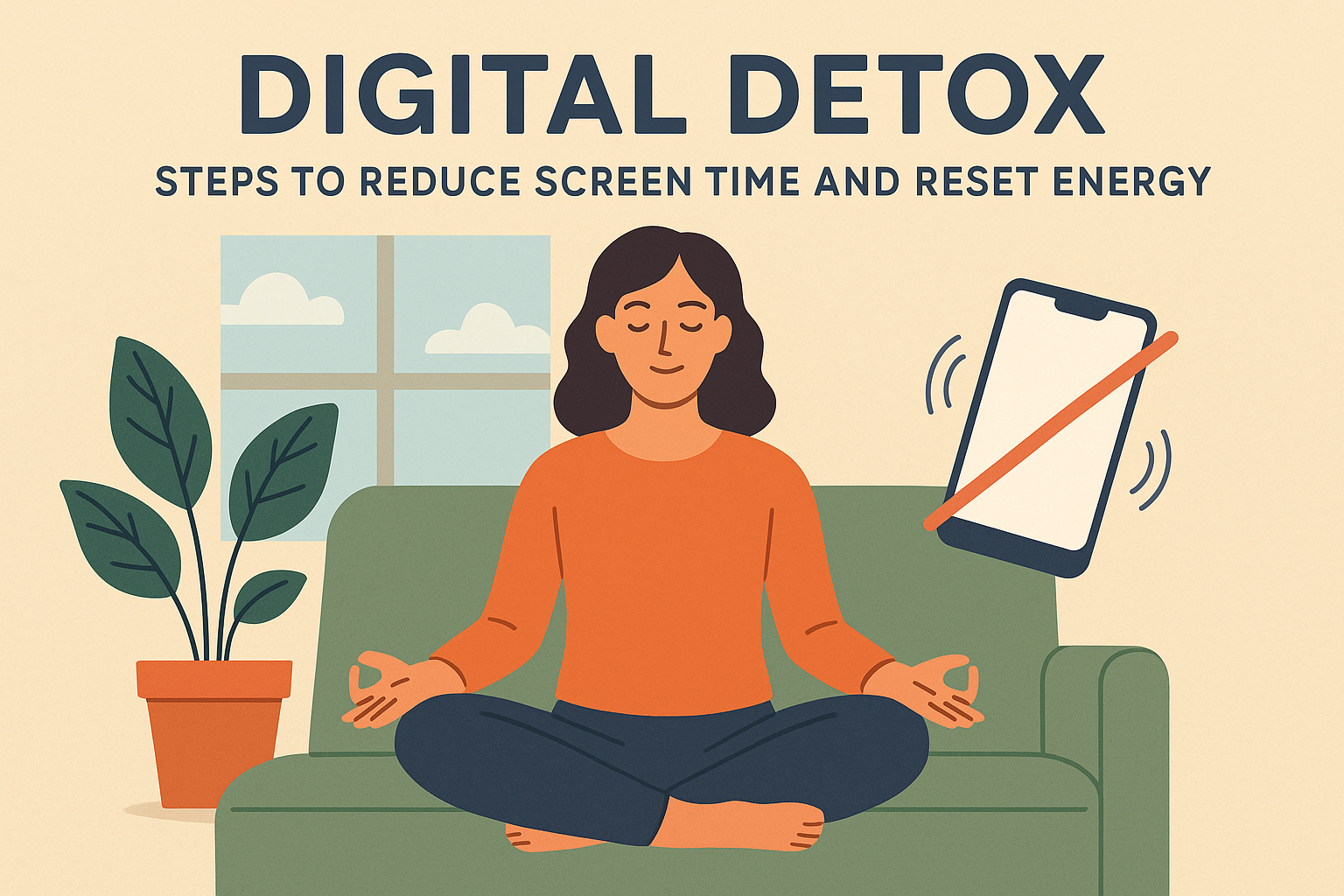
In a world that constantly buzzes with notifications, a deliberate digital detox can feel like a reset button for energy, focus, and mood. Reducing screen time isn’t about renouncing technology altogether—it’s about reclaiming attention and recharging your body and mind. Here are practical steps you can take to cut back on screens and restore your energy.
Why digital detox matters
– Sleep improves when screens are out of reach before bed, reducing blue light exposure and mental stimulation.
– Attention and productivity rebound when you limit constant interruptions and context switching.
– Mood and relationships benefit from more real-life connection, less doomscrolling, and fewer knee-jerk reactions to online stimuli.
– Energy becomes steadier as you replace late-night scrolling with restful activities and movement.
Practical steps to reduce screen time and reset energy
1) Start with a baseline
– Track how you actually use your devices for 3–7 days. Note the times you reach for your phone, what apps you open most, and how you feel after long sessions.
– Identify your top offenders (e.g., social media, news, games) and the moments you reach for them automatically (morning wake-up, commuting, after meals).
2) Set clear, achievable goals
– Choose 2–3 concrete targets, such as:
– No screens 60–90 minutes before bed.
– Limit social media to 30 minutes per day.

– Keep the phone out of the bedroom at night.
– Make goals SMART: specific, measurable, achievable, relevant, and time-bound.
3) Create tech-free zones and routines
– Designate certain spaces as device-free (dining table, bedroom).
– Build rituals to replace screen time with rewarding activities, e.g., a 10-minute stretching routine after meals, a short walk, or reading a chapter of a book.
– Establish a consistent wind-down routine that signals your brain “it’s time to switch off,” such as dimming lights, brewing tea, and journaling.
4) Manage notifications and use digital tools wisely
– Turn off nonessential notifications and reduce alerts to the basics (messages, calls, calendar).
– Use features like Do Not Disturb, Focus modes, or grayscale to reduce visual pull when you want to be in the moment.
– Try app blockers or time-limits for distracting apps during peak work hours.
5) Replace screen time with energy-boosting activities
– Get sunlight and outdoor movement: even 15–20 minutes outside can reset your circadian rhythm.
– Stay hydrated and nourished with regular meals; opt for balanced meals that sustain energy rather than quick sugar spikes.
– Practice micro-breaks: 1–2 minutes of stretching or deep breathing every 60–90 minutes during work.

6) Build social accountability
– Tell a friend or family member about your goals and check in weekly.
– Create a buddy system: agree to a screen-free activity together once a week (a walk, a board game, or cooking together).
7) Sleep hygiene matters
– Keep devices out of the bedroom or at least out of arm’s reach from the bed.
– Charge devices in another room and use an alarm clock instead of relying on the phone.
– Establish a consistent sleep schedule: aim for the same wake and bed times, and avoid screens for at least 60–90 minutes before bed.
8) Gradual, sustainable changes
– Start small to build lasting habits. A harsh, all-at-once detox is hard to sustain and can backfire.
– Expect slip-ups. Acknowledge them without judgment and get back on track.
A starter plan you can try this week
– Day 1: Baseline tracking. Choose one rule you’ll keep tonight (for example, no screens in the bedroom).
– Day 2–3: Create a tech-free zone (dining table or living room) and replace late-night scrolling with reading.
– Day 4–5: Turn off nonessential notifications and enable Do Not Disturb during work blocks.

– Day 6: Implement a 60-minute no-screen window before bed; replace with a wind-down routine.
– Day 7: Reflect on how you feel energy-wise and mood-wise; adjust targets if needed.
Measuring progress and adjusting
– Track subjective energy levels, mood, sleep quality, and perceived focus each day.
– If you feel more rested and engaged, you’re on the right track. If you’re struggling, loosen a target slightly or adjust the timing to fit your life (work demands, caregiving, etc.).
– Review weekly and refine goals. The aim is sustainable improvement, not perfection.
Common challenges and quick fixes
– “I need my phone for work.” Use a dedicated work device if possible, and set clear boundaries for personal vs. work use. Schedule focused work blocks with app limits on non-work apps.
– “I miss staying connected.” Replace endless scrolling with meaningful, offline connections: a quick call with a friend, a short in-person chat, or a shared activity.
– “I feel bored.” Prepare a few go-to offline activities in advance: a puzzle, a 10-minute home workout, a short walk, or a creative hobby.
A longer-term perspective
Digital detox isn’t about abandoning technology forever. It’s about rebalancing your relationship with screens so you have more energy, better sleep, clearer thinking, and more intentional time for the people and activities you care about. Personalize the plan to fit your routine, be patient with yourself as you adjust, and celebrate small wins along the way.
If you’d like, I can tailor a more specific plan based on your typical day, work hours, and major screen use patterns.