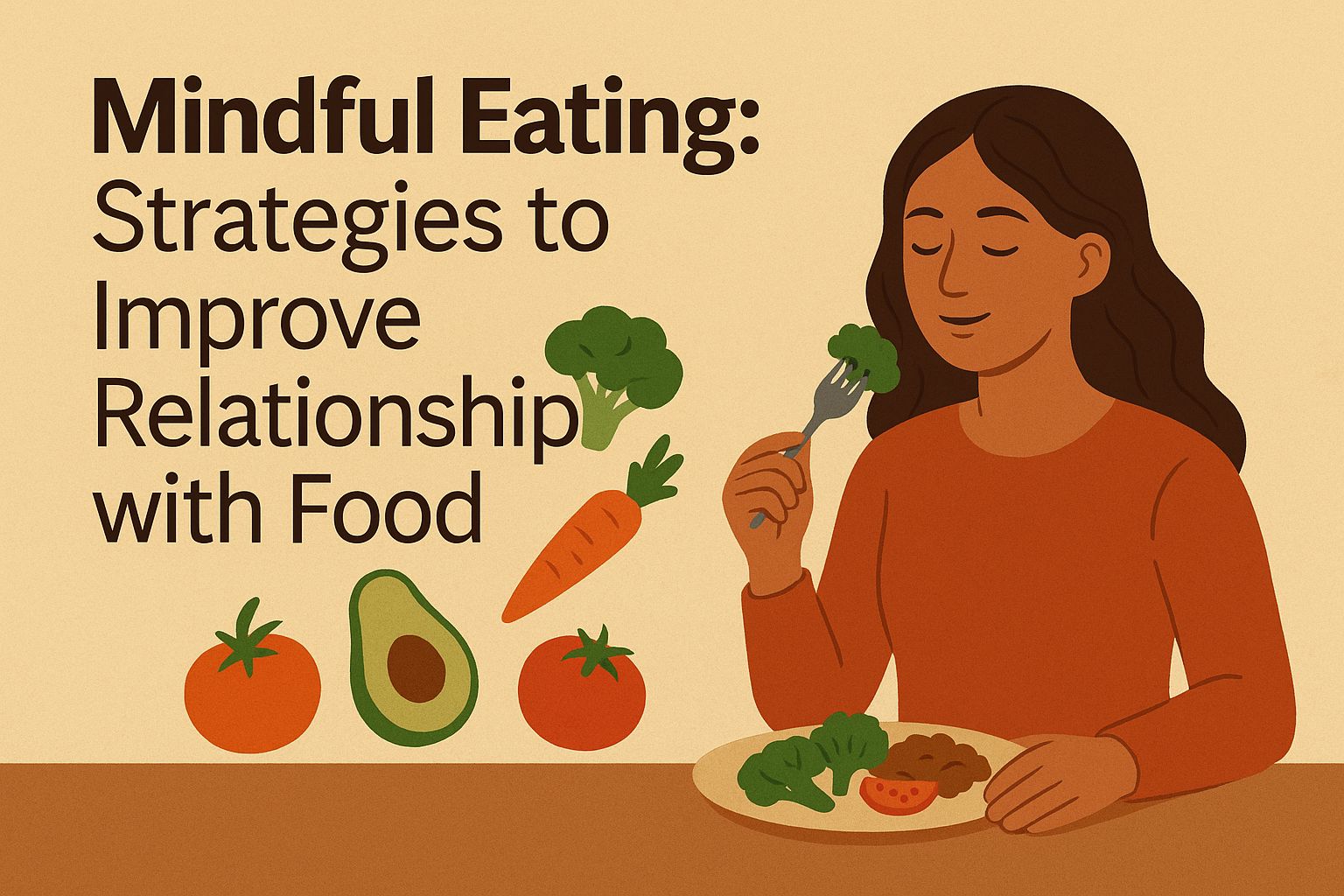
Mindful eating is a practice that helps you develop a healthier, more compassionate relationship with food. It isn’t another diet or a set of rules to follow; it’s about slowing down, paying attention to your body’s signals, and choosing foods and portions that support your well-being. By bringing curiosity rather than judgment to meals and snacks, you can reduce mindless eating, cravings that feel emotionally charged, and the sense that food controls you.
Understanding mindful eating
At its core, mindful eating invites you to notice what you’re eating, why you’re eating, and how eating affects your body and mood. It emphasizes hunger and fullness cues, savoring flavors and textures, and recognizing emotional or environmental triggers without harsh criticism. With practice, mindful eating can improve satisfaction during meals, help you prevent overeating, and foster a gentler, more balanced relationship with food.
Strategy 1: Slow down and savor
– Take smaller bites and pause between bites.
– Chew thoroughly and notice how flavors change with each chew.
– Put your utensil down briefly after a bite to create gaps between mouthfuls.
– Aim to complete a meal in about 15 to 20 minutes. This gives your brain time to register fullness.
Strategy 2: Listen to hunger and fullness cues
– Before eating, rate your hunger on a 1–10 scale and choose foods that fit your current energy needs.
– During eating, check in with fullness. Stop when you feel comfortably satisfied, not stuffed.
– After the meal, reflect: How hungry or full are you now? How does your energy feel?
Strategy 3: Eat with purpose (not by impulse)
– Ask yourself: Am I hungry, or am I eating for emotion, habit, or convenience?
– If it’s not genuinely hungry, consider a different choice or delay the decision for a few minutes.
– Create a brief pause before reaching for a snack during a tough moment; choose a mindful alternative when possible (a glass of water, a short walk, or a quick breathing exercise).
Strategy 4: Remove distractions

– Eat at a calm table rather than in front of screens or while multitasking.
– Focus on the food’s appearance, aroma, and taste.
– If you’re dining out, give yourself a moment to notice the plate before starting.
Strategy 5: Engage the senses
– Notice the color, texture, temperature, and aroma of each bite.
– Name one or two flavors you notice (sweet, sour, smoky, creamy, crunchy).
– Savor the sensory experience rather than rushing to finish.
Strategy 6: Plan and prepare mindfully
– Create meals that include a balance of protein, fiber, healthy fats, and carbohydrates to support steady energy and fullness.
– Build a simple weekly plan with room for favorites and some new options to reduce boredom and impulsive choices.
– Keep a small stash of mindful snacks (fresh fruit, nuts, yogurt) so you can eat with intention when hunger arises.
Strategy 7: Manage emotions with healthier coping strategies
– When emotions drive eating, acknowledge the feeling without judgment.
– Try alternatives in the moment: a short walk, a breathing exercise, journaling, calling a friend.
– After the moment passes, you can revisit food choices with curiosity rather than guilt.
Strategy 8: Create a supportive environment

– Stock foods that nourish you and are easy to access.
– Pre-portion meals or snacks to avoid overeating from a large container.
– Remove or reduce trigger foods if they lead to cycles of overeating; if you choose to keep them, do so mindfully and in small amounts.
Strategy 9: Practice self-compassion
– Treat yourself with kindness when you slip or eat something “less healthy.” Remember that one meal doesn’t define your health.
– Use slips as data: what were the triggers, how did you feel before and after, and what can you adjust next time?
– Recommit gently to your mindful eating practice without blaming yourself.
Practical exercises you can try
– Five-minute mindful bite: Pick a single raisin or a small bite of fruit. Observe its appearance, smell, and texture. Take a slow, deliberate bite, chewing fully and noticing the taste and aftertaste. Reflect for a moment before swallowing.
– Hunger-fullness check-in before meals: Pause, take a deep breath, and ask, “What does my body truly need right now?” Then choose a meal or snack accordingly.
– One mindful bite per meal: For breakfast, lunch, and dinner, choose one bite to eat slowly and with full attention, then continue with your normal pace.
– Journal a day of mindful moments: Brief notes on what you ate, why you chose it, how hungry you were, how you felt during and after, and what you learned.
Applying mindful eating in different settings
– At home: Create a calm eating environment, sit at a table, and pace your meals with awareness.
– In restaurants: Start with a smaller portion, ask for sauces on the side, and take leftovers home. Focus on savoring your meal rather than finishing everything.
– On the go: When you’re busy, opt for a portable, balanced option and eat with attention during a short break instead of grazing mindlessly.

– With family or kids: Model mindful eating by talking about taste and texture, encouraging slow chewing, and letting children notice their own hunger and fullness signals.
Tips for sustaining mindful eating over time
– Build consistency in meal rhythm: regular meals help regulate hunger signals and reduce extreme cravings.
– Diversify foods and flavors: variety keeps meals interesting and reduces the urge for mindless snacking.
– Avoid “good” vs. “bad” labels: adopt a neutral stance toward all foods to reduce guilt and improve appetite awareness.
– Practice patience: mindful eating is a skill that strengthens with regular use. Expect gradual improvements rather than instant changes.
Common challenges and how to handle them
– Feeling rushed: schedule meals with enough time, prepare components in advance, or choose quick mindful options like a yogurt with fruit.
– Cravings that feel overpowering: acknowledge the craving without judgment, pause, and choose a mindful, smaller portion or a healthier alternative.
– Emotional triggers: develop a go-to list of non-food coping strategies, and use mindful checking-in to separate emotion from hunger.
– Social situations: plan ahead, decide your boundaries, and practice mindful breathing or a statement like, “I’m going to take a moment to savor my food as I eat.”
Special considerations
– If you have a history of eating disorders or disordered eating, Mindful eating should be approached with professional guidance. It can be helpful, but it’s important to tailor the practice to your needs and avoid rigid rules or harsh self-judgment.
– If you’re managing a medical condition or specific dietary restrictions, adapt mindful eating practices to suit your health plan in consultation with a clinician or dietitian.
Closing thoughts
Mindful eating is a flexible, compassionate approach to food that helps you slow down, listen to your body, and make choices aligned with your well-being. It isn’t about perfection or depriving yourself; it’s about building a healthier relationship with food through awareness, intention, and kindness. With regular practice, mindful eating can enhance satisfaction with meals, reduce stress around food, and support a more balanced, enjoyable relationship with eating.