Hydration is essential for almost every system in your body. Yet the question isn’t just “drink more water,” it’s “how much do I actually need, and why does it matter?” This article breaks down practical guidance and simple hacks you can use to stay properly hydrated without turning your day into a water-fountain marathon.
How much water you actually need
– The basics: Most healthy adults get hydration from a mix of beverages and water-rich foods. While exact needs vary, general guidelines suggest about 3.7 liters (125 ounces) of total water per day for most men and about 2.7 liters (91 ounces) for most women. These figures come from how much water people typically consume across all sources, not just plain water.
– From thirst to targets: Thirst is a useful signal, but it’s not perfect for everyone. Older adults, people in hot climates, and those who are very physically active may need to plan ahead to avoid dehydration.
– Foods count: About 20% of daily water intake often comes from foods such as fruits, vegetables, soups, and yogurt. That means beverages fill the rest.
– Individual variation: Body size, activity level, climate, medications, pregnancy or breastfeeding, and health conditions all shift needs. There isn’t a one-size-fits-all bottle, but you can use reliable signs (see below) to fine-tune.
Why staying hydrated matters
– Physical performance: Dehydration can reduce endurance, strength, and reaction time.
– Temperature and digestion: Water helps regulate temperature and aids digestion and nutrient transport.
– Brain and mood: Even mild dehydration can affect concentration, alertness, and mood.
– Kidneys and joints: Adequate hydration supports kidney function and joint lubrication, and helps prevent certain types of stones in some people.
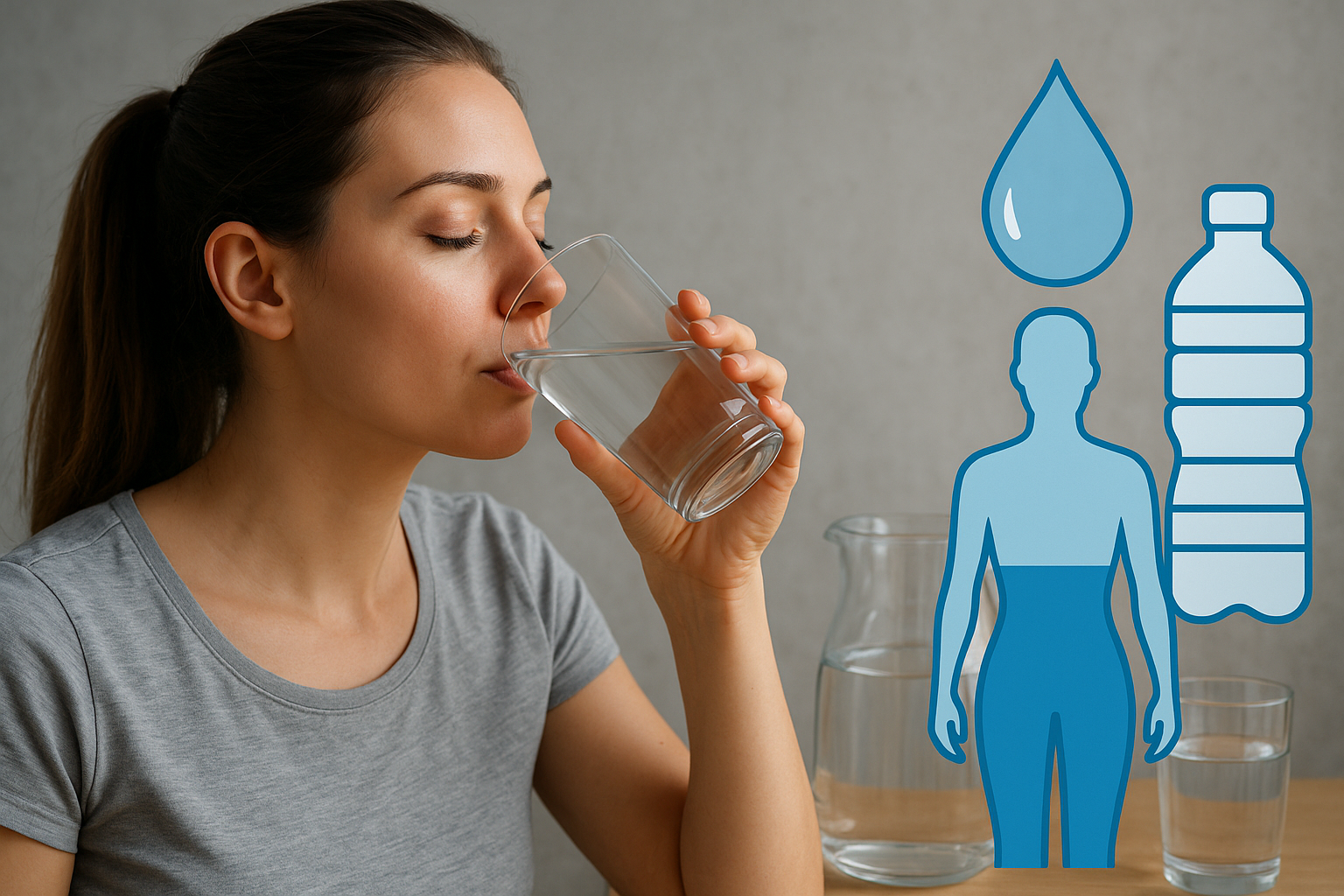
Hydration hacks: practical ways to hit your target
– Start your day with water: Have one to two glasses within the first hour after waking. It kick-starts hydration and can boost energy levels.
– Keep a bottle handy: A reusable bottle within reach at work, at home, and in your bag makes sipping easier. Set a gentle daily target (e.g., 8–12 refills per day) and track progress.
– Sip with meals and breaks: Drink a glass of water with each meal and place a short hydration cue mid-morning and mid-afternoon.
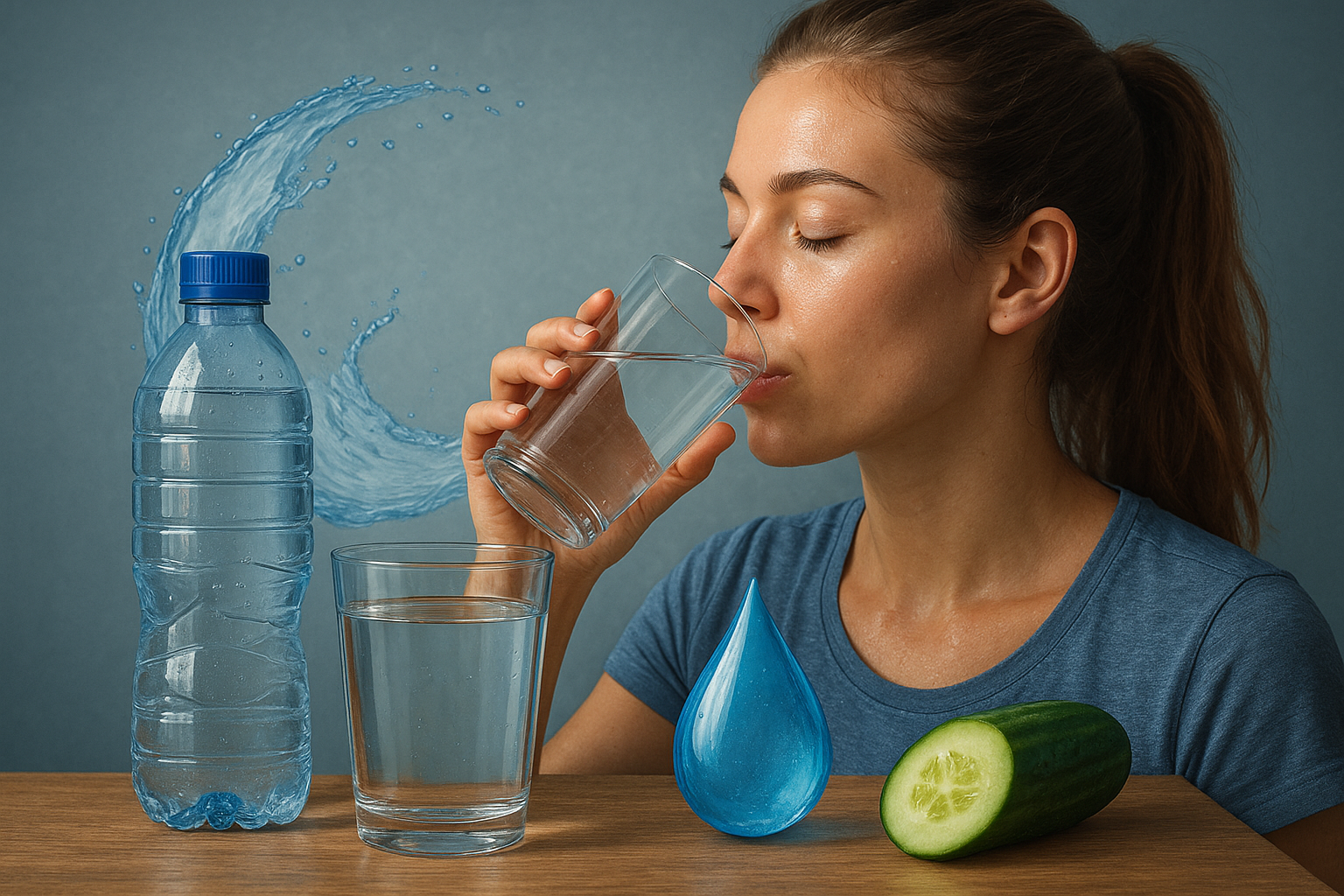
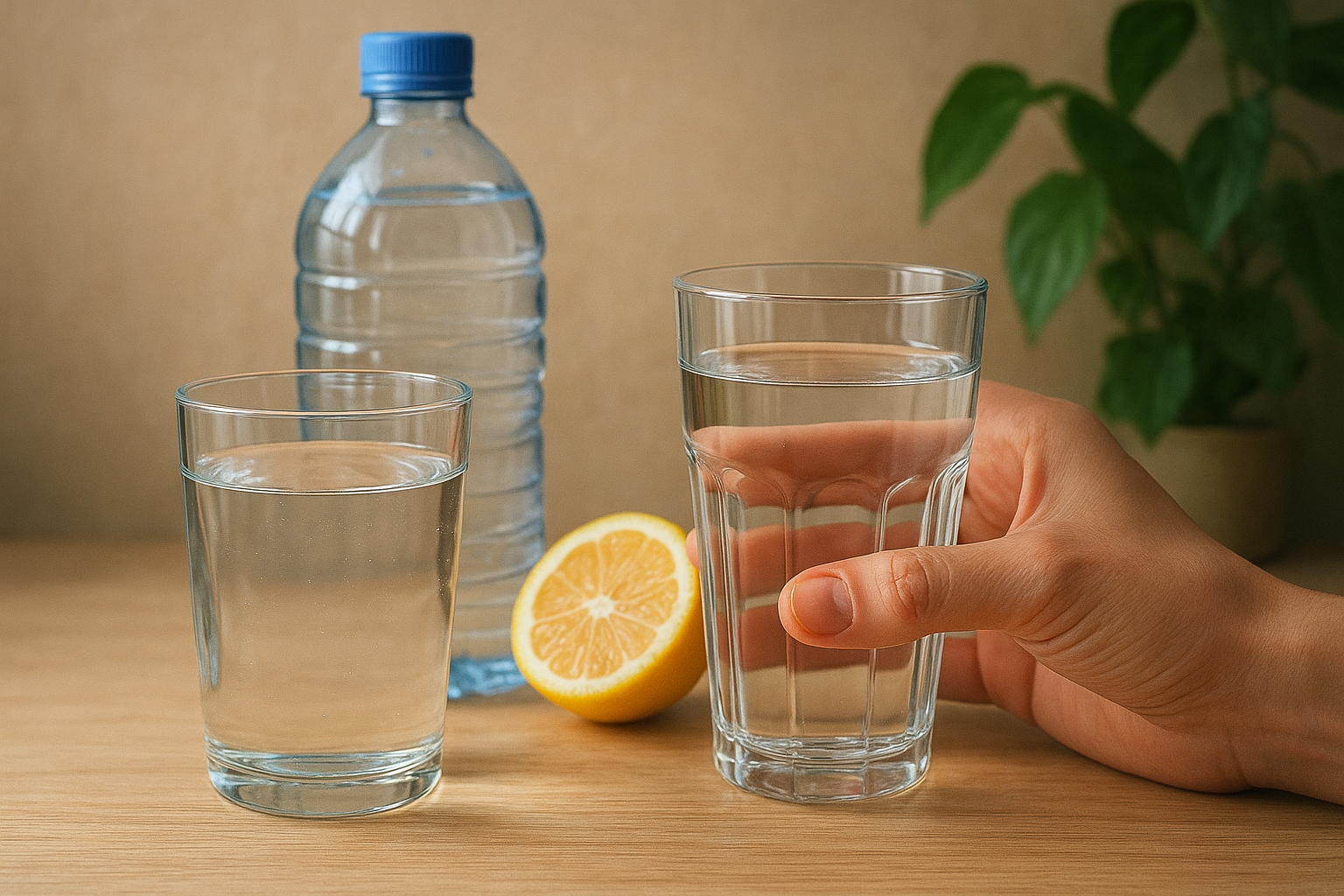
– Flavor without sugar: If plain water feels dull, try infusing with cucumber, lemon, berries, mint, or herbs. Avoid adding sugar-heavy syrups; these add calories without meaningful hydration benefits.
– Hydration and caffeine: Moderate caffeine-containing drinks (coffee, tea) contribute to daily fluid intake. If you rely on them, you can count them toward hydration, though caffeine can have mild diuretic effects in some people—using them in moderation generally keeps you well hydrated.
– Hydration during activity: For workouts lasting under 60 minutes, water is usually enough. For longer sessions or intense heat, consider a beverage with electrolytes to replace minerals lost in sweat. If you lose weight during exercise, aim to rehydrate with roughly 1 liter of fluid for every kilogram of body weight lost (check your weight before and after workouts as a guide).
– Water-rich foods: Include fruits and vegetables with high water content (watermelon, cucumber, oranges, zucchini, lettuce, soups, yogurt). They help you reach fluid goals with less effort.
– Temperature and taste preferences: Some people drink more water when it’s cold; others prefer room temperature or warm water. Pick what you’ll actually drink consistently.
– Sleep and night-time sipping: If you tend to wake thirsty, keep a small water source by your bedside. Don’t overdo it, though; large amounts right before bed can disrupt sleep for some people.
– Use reminders and cues: Set alerts on your phone, calendar, or smart bottle to prompt a sip every 30–60 minutes.
– Hydration during heat and travel: In hot climates or at higher altitudes, you’ll likely need more fluids. Carry water with you, and take sips regularly rather than cramming in large amounts at once.
Common hydration myths debunked
– Myth: “Eight glasses a day” is a hard rule. Reality: It’s a rough guideline, not a universal rule. Your needs depend on many factors, and you’ll be fine as long as your urine is light-colored most of the day and you don’t feel thirsty.
– Myth: Coffee or tea dehydrates you completely. Reality: Most caffeinated beverages contribute to daily fluid intake, especially when consumed in moderate amounts.
– Myth: You should only drink water to stay hydrated. Reality: fluids come from beverages and water-rich foods. A varied approach helps you meet needs consistently.
Who needs to pay extra attention to hydration
– Older adults: Thirst sensation can decline with age. Regular hydration checks and routine sipping can help prevent dehydration.
– Athletes and active individuals: More fluids are needed to replace sweat losses, especially in hot or humid environments.
– Pregnant or breastfeeding people: Fluid needs increase to support fetal development and milk production.
– People in hot or dry climates or those with illnesses that cause fever, vomiting, or diarrhea: They may need more fluids to prevent dehydration.
– People with kidney stones or certain medical conditions: They may have specific hydration targets advised by their healthcare provider.
Quick check: signs you’re on track
– Urine color is pale straw most of the day.
– You feel energized and focused, not sluggish or brain-foggy.
– You rarely feel thirst, dry mouth, or headaches that aren’t due to other causes.
If you want a simple plan
– Day 1: Start with a glass of water on waking, carry a bottle, and aim for 6–8 more cups (1.5–2 liters) of beverages beyond the morning glass. Include one water-rich meal or snack.
– Day 3: Add a morning and afternoon hydration cue, and try one infused-water option.
– Day 7: Assess how you feel with your current routine. If you’re active, in a hot environment, or pregnant/breastfeeding, adjust upward as needed.
Bottom line
Hydration isn’t about following a rigid rule; it’s about meeting your body’s needs consistently. Use thirst as a guide, but prioritize practical strategies that fit your day-to-day life. Combine beverages, water-rich foods, and easy habits to reach a comfortable, sustainable level of hydration that supports energy, focus, and overall health.